

Automotive detailing is more than just washing a car. It is about protecting your investment, maintaining value, and enjoying the feeling of driving a vehicle that looks and feels well cared for. Whether you detail your own car at home or are thinking about hiring a professional, understanding the process helps you get better results and avoid common mistakes.Automotive Detailing Tips: A Complete Guide to Keeping Your Car Protected.
This guide covers everything you need to know about automotive detailing, from basic cleaning techniques to interior care, paint protection, and long term maintenance. The advice here is practical, realistic, and written for everyday drivers in the United States.
What Automotive Detailing Really Means
Detailing is a deep cleaning and restoration process for both the exterior and interior of a vehicle. Unlike a regular car wash, detailing focuses on removing contaminants, correcting imperfections, and preserving surfaces.
Exterior detailing includes washing, decontaminating, polishing, and protecting paint, wheels, glass, and trim. Interior detailing focuses on cleaning and conditioning seats, carpets, dashboards, and hard to reach areas.
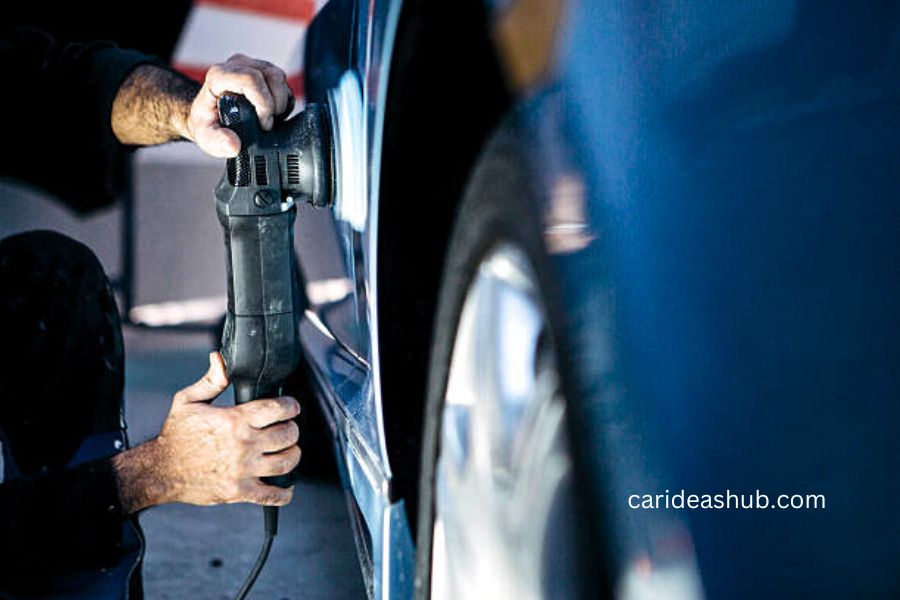
A properly detailed vehicle not only looks better but also lasts longer. Dirt, road salt, UV exposure, and moisture slowly break down surfaces if they are ignored.
Why Regular Detailing Matters
Many people wait until their car looks dirty before cleaning it. That approach often leads to permanent damage over time.
Regular detailing helps with:
- Preserving paint and clear coat
- Preventing interior wear and fading
- Improving resale or trade in value
- Creating a healthier interior environment
- Making driving more enjoyable
In many parts of the US, vehicles face harsh conditions like road salt in winter, intense sun in summer, and heavy rain throughout the year. Detailing helps protect against all of these.
Essential Tools and Products for Automotive Detailing
You do not need professional grade equipment to get good results, but using the right tools makes a big difference.
Basic Exterior Tools
- Two buckets with grit guards
- Microfiber wash mitts
- Soft bristle wheel brushes
- Microfiber drying towels
- Foam applicator pads
Interior Tools
- Vacuum with crevice attachments
- Soft interior brushes
- Microfiber cloths
- Upholstery brush
- Compressed air or detailing air blower
Recommended Products
- pH balanced car wash soap
- Wheel cleaner safe for your wheel type
- All purpose cleaner for interior surfaces
- Interior protectant with UV protection
- Wax, sealant, or ceramic spray
Avoid household cleaners. Products like dish soap, glass cleaner with ammonia, and degreasers can damage automotive surfaces.
Exterior Detailing Step by Step
Start With a Proper Wash
Always wash your car in the shade and on a cool surface. Heat causes soap and water to dry too quickly, leaving spots and streaks.Automotive Detailing Tips: A Complete Guide to Keeping Your Car Protected
Use the two bucket method. One bucket holds clean soapy water, and the other is for rinsing your wash mitt. This reduces the chance of scratching the paint.
Wash from top to bottom. The lower panels are usually the dirtiest, so save them for last.
Rinse thoroughly before moving on.
Clean Wheels and Tires Separately
Wheels collect brake dust and road grime that should never be spread onto paint.
Use a dedicated wheel cleaner and separate brushes or mitts. Clean tires as well, since old tire dressing and dirt can cause browning.
Rinse completely to remove all residue.
Decontaminate the Paint Surface
Even after washing, paint can still feel rough due to embedded contaminants like tar, tree sap, and industrial fallout.
Using a clay bar or synthetic clay mitt removes these particles. Lubricate the surface well and work in small sections.
This step makes the paint smoother and prepares it for polishing or protection.
Polishing for Paint Correction
Polishing removes light scratches, swirl marks, and oxidation. It improves clarity and gloss.
For beginners, a dual action polisher is safer than a rotary. Use a light polish and foam pad to start.
If you are not comfortable polishing, you can skip this step and still protect the paint. Polishing is optional but helpful for older or neglected vehicles.
Protect the Paint
Protection is what keeps your hard work from fading quickly.
Options include:
- Carnauba wax for warm shine
- Synthetic sealants for longer durability
- Ceramic sprays for easy application and strong protection
- Professional ceramic coatings for long term results
Apply protection according to product instructions. Reapply as needed based on driving conditions.

Interior Detailing Tips That Actually Work
Start With a Thorough Vacuum
Remove floor mats and vacuum everything. Use attachments to reach under seats and between cushions.
Compressed air helps blow dust out of vents, seams, and tight spaces before vacuuming again.
Clean Hard Surfaces Gently
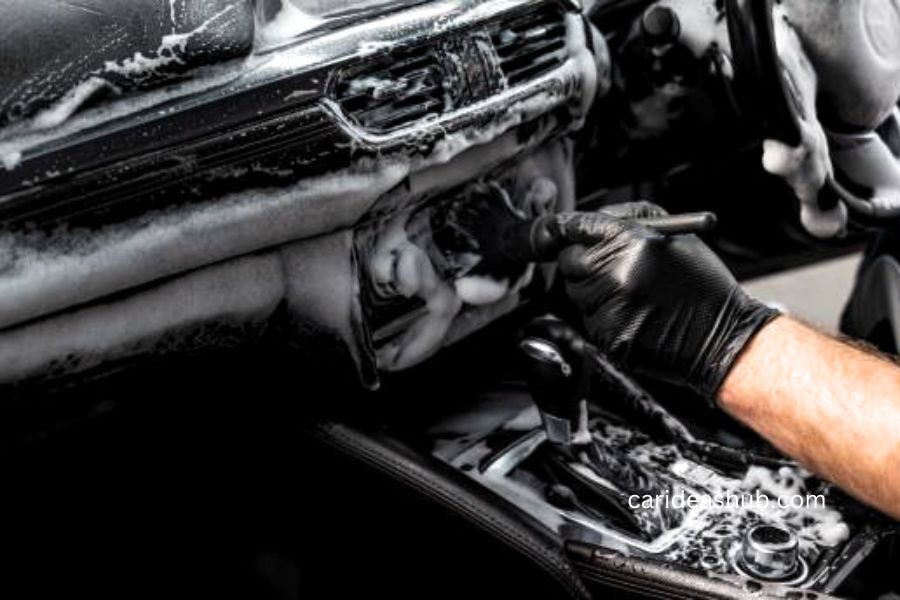
Dashboards, door panels, and center consoles should be cleaned with a mild interior cleaner.
Spray the cleaner onto a microfiber cloth, not directly onto the surface. This prevents overspray and streaks.
Use soft brushes for textured surfaces where dirt hides.
Seat and Upholstery Care
Fabric seats benefit from upholstery cleaner and light agitation. Avoid soaking them, since moisture can cause odor and mildew.
Leather seats require a leather specific cleaner and conditioner. Clean first, then condition to keep leather soft and prevent cracking.
Do not use harsh cleaners or wipes on leather.
Interior Glass Matters
Clean interior glass last. This removes any residue from earlier steps.
Use a streak free automotive glass cleaner and a clean microfiber towel. Wipe in overlapping motions for best results.
Clean windows inside and out for clear visibility and a finished look.
Common Automotive Detailing Mistakes to Avoid
Many issues come from rushing or using the wrong products.
Avoid these common mistakes:
- Washing in direct sunlight
- Using dirty towels or sponges
- Skipping paint protection
- Overusing product
- Ignoring door jambs and trunk areas
- Using one towel for everything
Clean towels often and replace them when they become worn.
How Often Should You Detail Your Car
Detailing frequency depends on how you drive and where you live.
General guidelines:
- Wash every one to two weeks
- Interior cleaning once a month
- Paint protection every three to six months
- Full detail two to four times per year
Vehicles driven daily or parked outside may need more frequent care.
DIY Detailing vs Professional Detailing
Doing it yourself saves money and gives you control over the process. It also requires time, space, and patience.
Professional detailing offers:
- Experience and efficiency
- Specialized tools and products
- Paint correction expertise
- Convenience
Many people use a mix of both. Regular maintenance at home and professional detailing once or twice a year.
Detailing for Different Vehicle Types
Daily Drivers
Focus on protection and easy maintenance. Use durable sealants and simple interior products.
Trucks and SUVs
Pay attention to wheel wells, undercarriage, and cargo areas. These vehicles often see more dirt and debris.
Luxury and Performance Cars
Use gentle products and soft towels. Paint on high end vehicles can be softer and more prone to scratches.
Older Vehicles
Be cautious with aggressive polishing. Older paint may be thinner. Conditioning interior materials is especially important.
Seasonal Automotive Detailing Tips
Summer Detailing
- Use UV protectant on interior surfaces
- Wash off bug splatter quickly
- Avoid leaving products in hot cars
Winter Detailing
- Wash frequently to remove road salt
- Protect paint before winter starts
- Clean rubber floor mats regularly
Spring and Fall
These are ideal times for full detailing. Weather is moderate and conditions are manageable.
Long Term Benefits of Proper Detailing
Consistent detailing does more than improve appearance.Automotive Detailing Tips: A Complete Guide to Keeping Your Car Protected
It helps:
- Maintain resale value
- Prevent corrosion and fading
- Reduce long term repair costs
- Improve comfort and pride of ownership
A clean car feels better to drive and easier to maintain.Automotive Detailing Tips: A Complete Guide to Keeping Your Car Protected
Final Thoughts on Automotive Detailing
Automotive detailing does not need to be complicated. It just needs to be done correctly and consistently. Start with good habits, use proper products, and take your time.
Whether you detail your own vehicle or hire a professional, knowing what goes into the process helps you make better choices and get better results.
A well detailed car is not about perfection. It is about care, protection, and respect for the vehicle you rely on every day.