
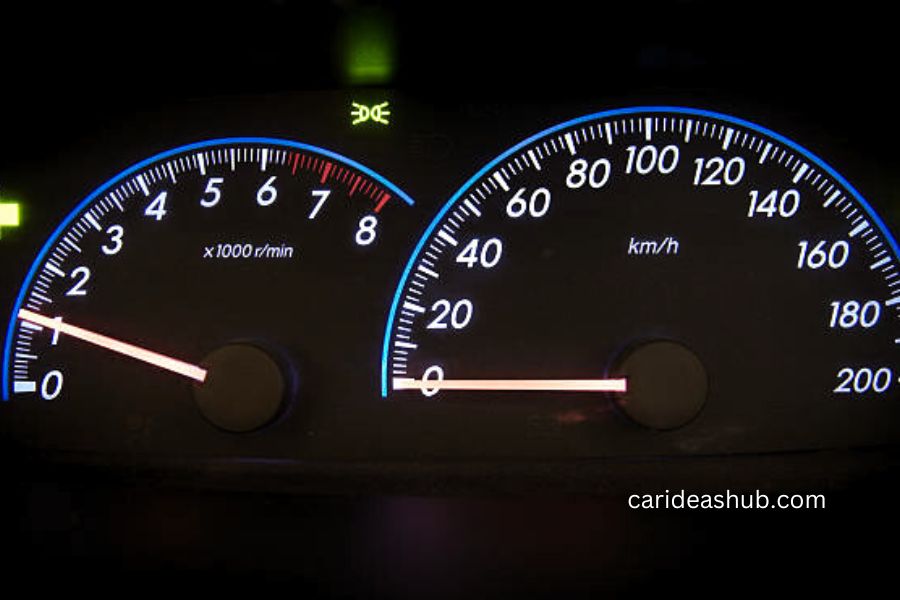
If you’ve scanned your car and found P0420, you’re probably wondering how serious it is and what it will cost to fix. The short answer is this: P0420 usually means your catalytic converter is not working as efficiently as it should. The longer answer is more detailed, and understanding it can save you money and frustration.
In this guide, I’ll break down what P0420 means, what causes it, how to diagnose it properly, and the smartest way to fix it. This is written for U.S. drivers who want clear information without technical fluff.
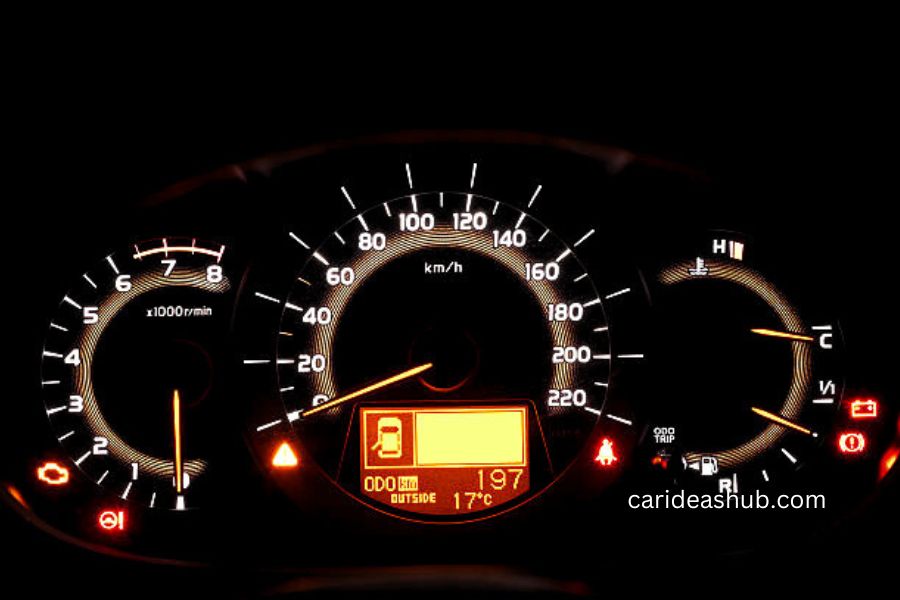
What Does P0420 Mean?
The P0420 trouble code stands for:
“Catalyst System Efficiency Below Threshold (Bank 1)”
Your vehicle’s onboard diagnostics system, known as OBD-II, monitors emissions performance. When it detects that the catalytic converter on Bank 1 is not cleaning exhaust gases effectively, it triggers the P0420 code and turns on the check engine light.
Bank 1 refers to the side of the engine that contains cylinder number one. On most four-cylinder engines, there is only one bank.
What Is a Catalytic Converter?
Your catalytic converter is part of your exhaust system. Its job is to reduce harmful emissions before they leave the tailpipe. It converts dangerous gases like:
- Carbon monoxide
- Hydrocarbons
- Nitrogen oxides
into less harmful substances such as carbon dioxide and water vapor.
Inside the converter is a honeycomb structure coated with precious metals like platinum and palladium. These metals trigger chemical reactions that clean the exhaust.
When the converter becomes clogged, contaminated, or worn out, it loses efficiency. That’s when P0420 appears.
How the System Detects the Problem
Your vehicle uses oxygen sensors to monitor exhaust gases. There are typically two sensors on Bank 1:
- Upstream sensor (before the catalytic converter)
- Downstream sensor (after the catalytic converter)
The upstream sensor measures raw exhaust gases. The downstream sensor measures gases after they pass through the converter.
If both sensors show similar readings, the computer assumes the catalytic converter is not doing its job. That triggers P0420.
Common Symptoms of P0420
In many cases, the only symptom is the check engine light. But depending on the underlying cause, you may notice:
- Reduced fuel economy
- Sluggish acceleration
- Sulfur or rotten egg smell from exhaust
- Rattling noise from under the car
- Failed emissions test
Some vehicles drive normally even with P0420. That does not mean you should ignore it.
Most Common Causes of P0420
P0420 does not always mean you need a new catalytic converter. Here are the most common causes.
1. Failing Catalytic Converter
This is the most common cause. Catalytic converters usually last 100,000 miles or more, but they can fail earlier due to:
- Engine misfires
- Oil consumption
- Coolant leaks
- Poor maintenance
2. Bad Oxygen Sensors
A faulty upstream or downstream oxygen sensor can send incorrect data to the computer, falsely triggering P0420.
Oxygen sensors typically last 60,000 to 100,000 miles. Replacing a bad sensor is far cheaper than replacing a catalytic converter.
3. Exhaust Leaks
A leak before or near the catalytic converter can allow extra oxygen into the exhaust system. This can confuse the sensors and trigger the code.
4. Engine Running Rich or Lean
If your engine runs too rich, meaning too much fuel, it can overheat and damage the converter. If it runs too lean, it can affect sensor readings.
Other codes alongside P0420 often point to these issues.
5. Misfires
Unburned fuel entering the catalytic converter can quickly destroy it. If you see misfire codes such as P0300, fix those first.
Is It Safe to Drive With P0420?
Short term, yes. Long term, no.
If your vehicle runs normally and the only issue is the check engine light, you can usually drive for a while. But if you notice:
- Loss of power
- Severe hesitation
- Overheating
- Loud rattling
you should address it immediately.
Ignoring P0420 can lead to:
- Failed emissions testing
- Reduced fuel economy
- Expensive exhaust damage
In some states, especially those with strict emissions standards like California, you cannot renew registration with an active emissions code.
How to Properly Diagnose P0420
Replacing the catalytic converter without proper testing is a costly mistake. Here’s how professionals approach it.
Step 1: Check for Other Codes
If you have additional codes, especially misfire or fuel system codes, fix those first. P0420 is often the result of another problem.
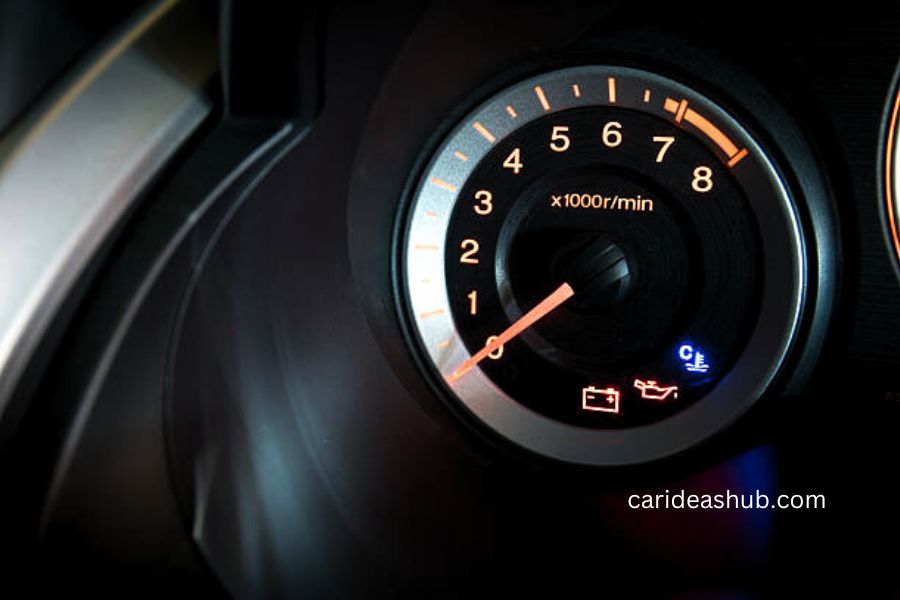
Step 2: Inspect Oxygen Sensor Data
Using a scan tool, compare upstream and downstream sensor readings.
- Upstream sensor should fluctuate rapidly.
- Downstream sensor should show a more stable pattern.
If both fluctuate the same way, the converter may be failing.
Step 3: Check for Exhaust Leaks
Inspect:
- Exhaust manifold
- Gaskets
- Welds
- Pipes
Small leaks can trigger the code.
Step 4: Inspect for Engine Issues
Look for:
- Oil burning
- Coolant loss
- Spark plug wear
- Ignition problems
Fixing the root cause prevents damaging a new converter.
How Much Does It Cost to Fix P0420?
Costs vary depending on your vehicle and location in the U.S.
Oxygen Sensor Replacement
- $150 to $400 total
Exhaust Leak Repair
- $100 to $300
Catalytic Converter Replacement
- $800 to $2,500 or more
Luxury vehicles and hybrids often cost more.
For example, replacing the catalytic converter on a Toyota Camry is generally cheaper than replacing one on a BMW or Ford truck.
Should You Use a Catalytic Converter Cleaner?
There are fuel additives marketed as catalytic converter cleaners. They can sometimes help if the issue is mild carbon buildup.
However:
- They do not fix melted or damaged converters
- They will not repair broken internal components
- Results are not guaranteed
They are low risk but not a miracle solution.
OEM vs Aftermarket Catalytic Converters
When replacement is necessary, you have two options.
OEM Converter
Original equipment from the manufacturer. v P0420 Code
Pros:
- Exact fit
- Meets emissions standards
- Longer lifespan
Cons:
- Expensive P0420 Code
Aftermarket Converter
Third party manufacturer.
Pros:
- Cheaper v P0420 Code
- Widely available
Cons:
- May not last as long P0420 Code
- Some may not meet strict state emissions laws
If you live in California or a CARB-compliant state, make sure the converter meets local regulations.
Why Catalytic Converter Theft Is So Common
Catalytic converters contain valuable precious metals. Theft has increased significantly in recent years across the U.S.
High value metals like platinum and palladium make them attractive to thieves.
If your converter was stolen, you would likely notice:
- Extremely loud exhaust
- Check engine light
- P0420 or related codes
Installing anti-theft protection may be worth considering if you live in a high risk area.
Can P0420 Clear Itself?
Sometimes, yes.
If the issue was temporary, such as bad fuel or a small exhaust leak that sealed itself, the code may clear after several drive cycles.
However, if the underlying problem remains, the light will return.
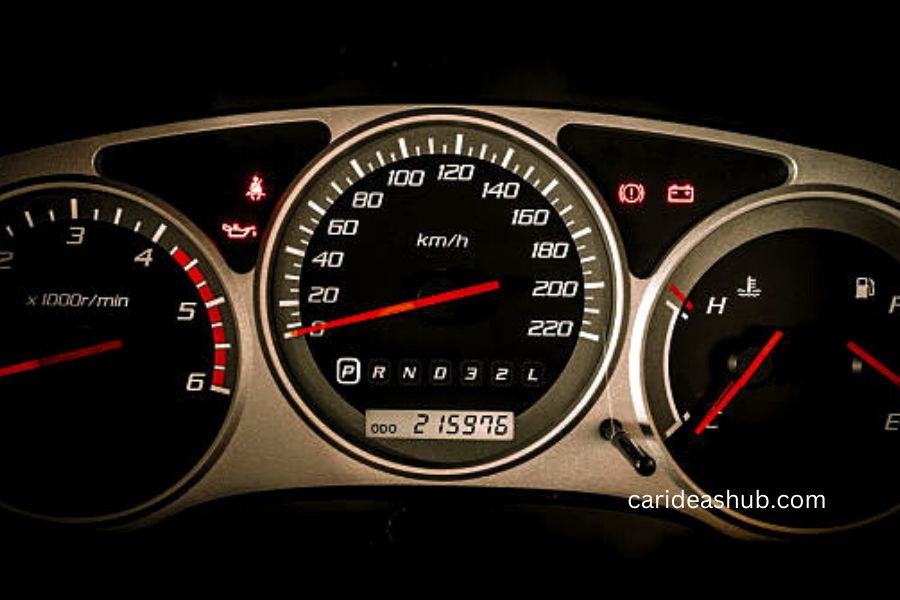
Clearing the code without fixing the cause only hides the problem temporarily
Preventing P0420 in the Future
Prevention is much cheaper than replacement. Here are smart maintenance steps.
Stay on Top of Tune Ups
Replace spark plugs and ignition components on schedule. P0420 Code
Fix Misfires Immediately
Do not drive long with a misfire. It can destroy a catalytic converter quickly. P0420 Code
Repair Oil and Coolant Leaks
Burning oil or coolant contaminates the converter. P0420 Code
Use Quality Fuel
Low quality fuel can contribute to carbon buildup over time.
P0420 and Emissions Testing in the USA
If you live in a state that requires emissions testing, P0420 will usually cause automatic failure.
States with strict emissions standards include:
- California
- New York
- Massachusetts
- Illinois P0420 Code
Before testing, make sure:
- The check engine light is off
- All monitors are ready
- No pending codes exist P0420 Code
Driving 50 to 100 miles after repairs typically resets monitors.
Frequently Asked Questions
Is P0420 expensive to fix?
It can be. If it’s just an oxygen sensor, it’s affordable. If the catalytic converter needs replacement, P0420 Code it can cost over $1,000.
Can I pass inspection with P0420?
No. An active check engine light usually results in failure.
How long does a catalytic converter last?
Typically 100,000 miles or more with proper maintenance. P0420 Code
Does P0420 mean my car is dying?
No. It usually means there is an emissions system issue, P0420 Code not engine failure.
Final Thoughts on P0420
P0420 is one of the most common trouble codes in the United States. While it often points to a failing catalytic converter, P0420 Code it is not always that simple.
The key is proper diagnosis.
Start with checking for other codes. Inspect sensors. Look for exhaust leaks. Address engine issues first. Only replace the catalytic converter when you are confident it has failed.
If you approach P0420 methodically, you can avoid unnecessary expenses and keep your vehicle running efficiently for years.
If you’d like, tell me your vehicle’s year, make, model, and mileage. I can give you more specific guidance tailored to your situation.