
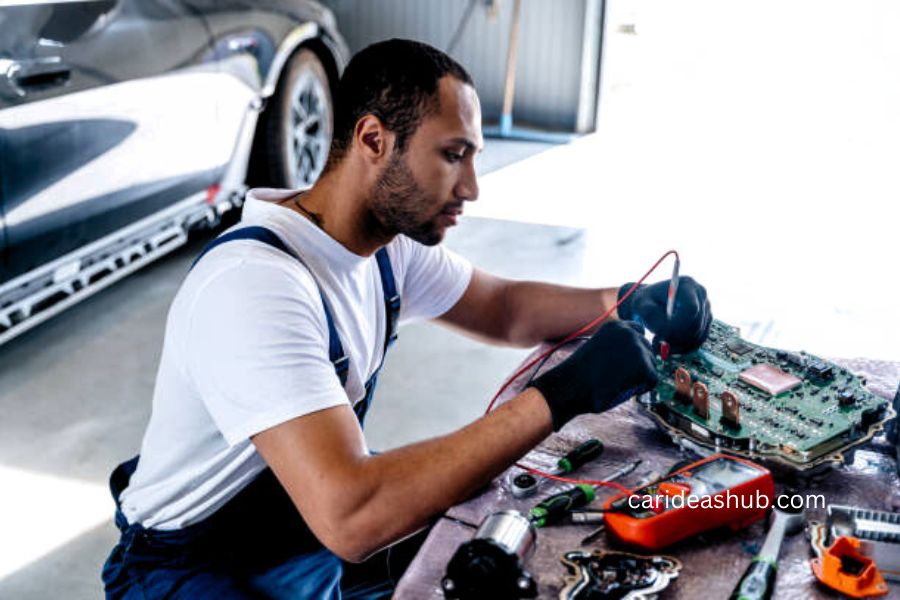
Modern vehicles rely heavily on electrical systems. From starting the engine to powering safety features, comfort controls, and onboard computers, electricity plays a central role in how cars function today. When something goes wrong electrically, the problem is often harder to diagnose than a mechanical issue. That is where an auto electrical specialist comes in.
This guide explains what an auto electrical specialist does, how they differ from general mechanics, common electrical problems in vehicles, and how to choose the right professional for the job. Whether you drive a daily commuter, a work truck, or a newer vehicle loaded with technology, understanding auto electrical services can save time, money, and frustration.
What Is an Auto Electrical Specialist
An auto electrical specialist is a technician trained to diagnose, repair, and maintain a vehicle’s electrical and electronic systems. While general auto mechanics handle a wide range of repairs, electrical specialists focus specifically on wiring, sensors, control modules, charging systems, and electronic components.
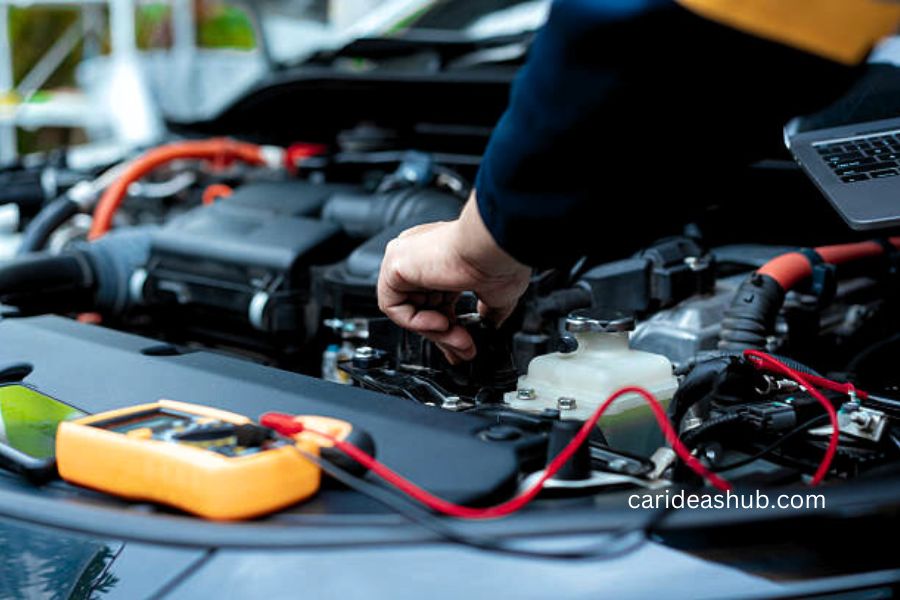
As vehicles have become more advanced, electrical systems have grown more complex. Today’s cars use dozens of control units that communicate with each other. A small fault in one circuit can affect multiple systems. Auto electrical specialists are trained to track these issues accurately.
Why Auto Electrical Systems Are So Important
Electrical systems affect nearly every function of a modern vehicle. When they fail, symptoms can appear unrelated or confusing.
Key systems that rely on automotive electrical components include:
- Engine starting and charging
- Fuel injection and ignition
- Lighting and signaling
- Climate control
- Power windows and locks
- Safety systems like airbags and stability control
- Infotainment and navigation
- Driver assistance features
A single wiring fault or sensor failure can trigger warning lights, cause poor performance, or prevent the vehicle from starting altogether.
Common Auto Electrical Problems
Electrical issues often show up gradually, but they can also appear suddenly. Understanding common problems helps you know when it is time to see a specialist.
Battery Problems
The battery is the heart of the electrical system. A weak or failing battery can cause:
- Slow engine cranking
- Flickering lights
- Random warning messages
- Electronics resetting or shutting off
Battery issues are not always caused by age. Parasitic draws, charging problems, and corroded connections are common causes.
Alternator and Charging System Failures
The alternator keeps the battery charged while the engine is running. If it fails, the battery drains quickly.
Signs of alternator problems include:
- Battery warning light
- Dim or overly bright lights
- Electrical accessories malfunctioning
- Engine stalling
An auto electrical specialist can test the charging system under load to pinpoint the issue.
Wiring and Connection Issues
Wiring problems are among the hardest to diagnose. They can be caused by:
- Corrosion
- Rodent damage
- Poor previous repairs
- Vibration and wear
- Water intrusion
Symptoms may include intermittent failures, blown fuses, or systems working one day and not the next.
Blown Fuses and Relays
Fuses protect electrical circuits from overload. When a fuse blows repeatedly, it often indicates a deeper problem.
Replacing a fuse without finding the cause can lead to further damage. Specialists trace the circuit to identify shorts or overloads.
Sensor and Module Failures
Modern vehicles rely on sensors and control modules to manage performance and safety.
Common issues include:
- Check engine light
- Transmission shifting problems
- Reduced engine power warnings
- Faulty readings or false alerts
Accurate diagnosis requires advanced scan tools and system knowledge.
Lighting and Accessory Issues
Problems with headlights, brake lights, interior lighting, or accessories like power seats and mirrors are often electrical in nature.
These issues may seem minor but can affect safety and legal compliance.
What Makes Auto Electrical Diagnosis Different
Electrical problems are not always visible. Unlike mechanical failures, there may be no noise, leak, or obvious damage.
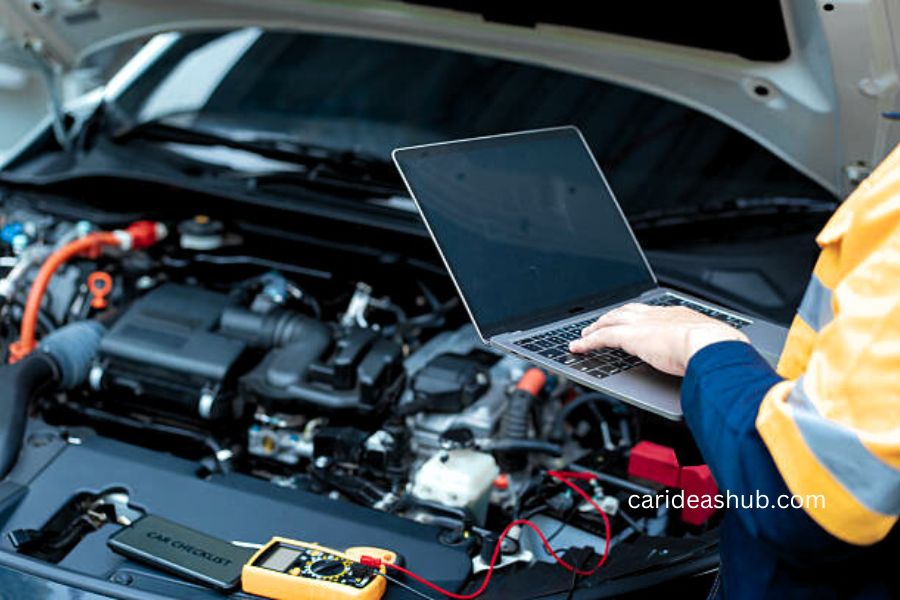
Auto electrical diagnosis involves:
- Reading fault codes
- Testing circuits with multimeters and scopes
- Checking voltage drops and continuity
- Interpreting wiring diagrams
- Understanding system communication networks
Experience matters. Two vehicles with the same symptom may have completely different causes.
Tools Used by Auto Electrical Specialists
Specialists use tools that go beyond standard mechanic equipment.
Common tools include:
- Advanced diagnostic scan tools
- Digital multimeters
- Oscilloscopes
- Battery and charging system testers
- Circuit tracers
- Manufacturer specific software
These tools allow precise testing rather than guesswork, which reduces repair time and cost.
When to See an Auto Electrical Specialist Instead of a General Mechanic
Many general mechanics handle basic electrical repairs well. However, some situations call for a specialist.
Consider seeing an auto electrical specialist if:
- Electrical problems are intermittent
- Warning lights keep returning
- Multiple systems fail at once
- The vehicle will not start with no clear cause
- Previous repairs did not solve the issue
- The problem involves advanced electronics
Specialists are especially valuable for newer vehicles with complex electrical architecture.
Auto Electrical Services You Can Expect
An auto electrical specialist typically offers a wide range of services.
Diagnostic Services
Proper diagnosis is the foundation of any repair. This includes scanning systems, testing components, and confirming the root cause before replacing parts.
Battery and Charging System Repairs
This includes battery replacement, alternator repair or replacement, and fixing wiring issues related to charging.
Starter and Ignition System Repairs
If your vehicle struggles to start or does not start at all, the issue may involve the starter motor, ignition switch, or related wiring.
Lighting Repairs and Upgrades
Specialists repair factory lighting systems and can install or troubleshoot upgrades like LED conversions when done correctly.
Wiring Repairs and Replacements
Damaged wiring can be repaired or replaced to restore proper function and prevent future issues.
Module Programming and Replacement
Some components require programming after replacement. Specialists have the tools and knowledge to handle this correctly.
Auto Electrical Issues in Different Types of Vehicles
Daily Drivers
In commuter vehicles, electrical problems often involve batteries, alternators, sensors, and interior electronics. Regular use can mask early warning signs.
Trucks and Work Vehicles
Work trucks experience more vibration, dirt, and exposure. Wiring and connections often suffer, especially in lighting and trailer systems.
Luxury Vehicles
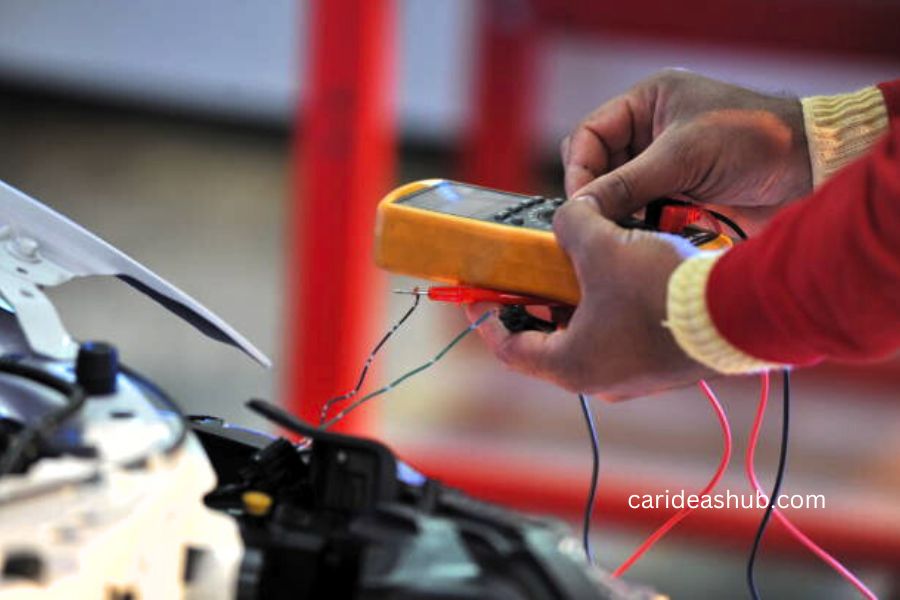
High end vehicles use advanced electronics that require specialized tools and training. Improper diagnosis can be costly.
Hybrid and Electric Vehicles
These vehicles add high voltage systems to the mix. Only trained professionals should service them due to safety risks.
Preventing Auto Electrical Problems
While not all electrical issues can be prevented, good habits reduce risk.
Helpful tips include:
- Replace batteries before they fail completely
- Keep battery terminals clean
- Address warning lights promptly
- Avoid poor quality aftermarket electrical accessories
- Ensure modifications are professionally installed
- Protect wiring from moisture and damage
Preventive care often costs less than emergency repairs.
Choosing the Right Auto Electrical Specialist
Not all shops have the same level of expertise. Choosing carefully matters.
Look for Experience and Training
Ask about experience with your vehicle type and model. Electrical systems vary widely between manufacturers.
Ask About Diagnostic Process
A good specialist explains how they diagnose issues and why certain tests are needed.
Check Reviews and Reputation
Consistent positive feedback about electrical repairs is a good sign. Look for comments about problem solving, not just pricing.
Transparency Matters
Clear estimates and honest explanations build trust. Be cautious of shops that suggest replacing multiple parts without diagnosis.
Warranty on Work
Reputable specialists stand behind their repairs with a warranty.
Cost of Auto Electrical Repairs
Electrical repair costs vary widely depending on the issue.
Factors that affect cost include:
- Diagnostic time required
- Complexity of the system
- Cost of parts
- Labor rates in your area
- Vehicle make and model
Accurate diagnosis may take time, but it prevents unnecessary part replacement and repeat visits.
Why Electrical Problems Are Often Misdiagnosed
Electrical issues can mimic mechanical problems. For example, a failing sensor can cause poor engine performance that feels like a mechanical fault.
Misdiagnosis often happens when:
- Parts are replaced without testing
- Fault codes are misinterpreted
- Intermittent issues are ignored
- Wiring problems are overlooked
Auto electrical specialists are trained to look beyond surface symptoms.
The Future of Auto Electrical Work
Vehicles are becoming more connected and software driven. Electrical systems now integrate with mobile apps, cloud services, and advanced safety features.
This trend means:
- Greater need for specialized training
- More emphasis on diagnostics and software
- Increased importance of electrical expertise
Auto electrical specialists will continue to play a critical role in vehicle maintenance and repair.
Final Thoughts on Auto Electrical Specialists
Auto electrical systems are no longer simple. They are complex networks that control how a vehicle starts, drives, and keeps occupants safe. When something goes wrong, guessing or replacing parts blindly can make things worse.
An auto electrical specialist brings focused knowledge, proper tools, and experience to diagnose and repair these systems accurately. Whether you are dealing with a persistent warning light, a no start condition, or strange electrical behavior, the right specialist can save time, money, and stress.
Understanding what they do helps you make better decisions and keep your vehicle reliable for the long run.