
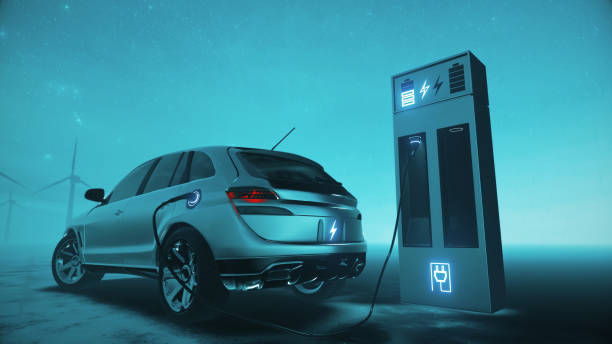
Tesla is one of the most talked about automotive brands in the United States. Some people see it as the future of driving. Others see it as an expensive experiment. The truth sits somewhere in between. Tesla builds electric vehicles that are different in how they are designed, driven, and maintained. For many drivers, that difference is appealing. For others, it raises questions.
This guide takes a clear and realistic look at Tesla as a car company and as an ownership experience. It covers how Tesla vehicles work, what makes them different, what it is like to own one in the US, and who they are best suited for. The goal is not to sell you on Tesla or talk you out of it, but to give you the information you need to decide for yourself.
What Tesla Is and How It Started
Tesla is an American electric vehicle manufacturer founded in 2003. Its early focus was on proving that electric cars could be fast, desirable, and practical. At the time, electric vehicles were widely viewed as slow, limited, and niche.
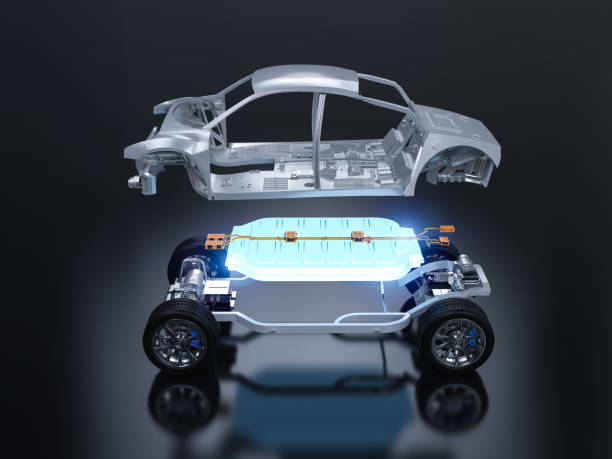
Tesla changed that perception by focusing on battery technology, performance, and software. Instead of adapting existing gas powered platforms, Tesla built vehicles around electric drivetrains from the ground up.
Today, sells several models in the US and operates its own charging network, sales system, and software ecosystem.
Tesla Models Available in the United States
Tesla currently offers several vehicles designed for different needs and budgets. While availability and pricing change, the core lineup has remained consistent.
Tesla Model S
The Model S is a large luxury sedan. It offers long range capability, strong performance, and a spacious interior. It competes with high end gas and electric sedans.
It is known for:
- Long driving range
- Quick acceleration
- Minimalist interior design
- Advanced driver assistance features
The Model S is often chosen by drivers who want a premium electric vehicle with strong performance.
Tesla Model 3
The Model 3 is most popular vehicle in the US. It is a compact sedan designed for daily driving.
Key characteristics include:
- Lower starting price compared to other
- Good range for commuting and road trips
- Simple interior with a central touchscreen
- Quick acceleration even in base trims
The Model 3 is often the entry point for first time electric vehicle buyers.
Tesla Model X
The Model X is a midsize SUV with optional third row seating. It is known for its distinctive rear doors and family friendly features.
Highlights include:
- Seating for up to seven
- Strong safety ratings
- High performance options
- Large cargo space
It appeals to drivers who want space and versatility without giving up electric performance.
Tesla Model Y
The Model Y is a compact SUV and one of best selling vehicles in the US.
It offers:
- Practical size for families
- Shared platform with the Model 3
- Available all wheel drive
- Good balance of range and space
The Model Y competes directly with gas and electric crossovers.
Tesla Cybertruck
The Cybertruck is Tesla’s electric pickup. Its design is unconventional, and it targets drivers who want utility combined with electric power.
It focuses on:
- Towing capability
- Durable exterior design
- Large battery capacity
- Integrated technology features
It is aimed at truck owners looking to move away from gas powered pickups.
How Tesla Vehicles Work
Tesla vehicles are fully electric. They do not use gasoline or diesel and do not have traditional engines or transmissions.
Electric Drivetrain Basics
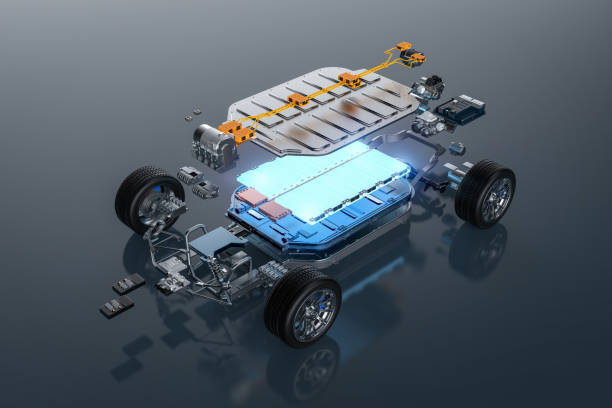
Instead of an engine, Tesla vehicles use electric motors powered by large battery packs. These motors deliver power directly to the wheels.
Benefits of this setup include:
- Smooth and quiet acceleration
- Fewer moving parts
- Less routine maintenance
- Instant torque delivery
There is no oil to change, no exhaust system, and no fuel system in the traditional sense.
Battery Technology
Tesla batteries are lithium based and mounted low in the vehicle floor. This improves stability and handling.
Battery size affects:
- Driving range
- Acceleration
- Charging time
- Vehicle weight
Over time, battery capacity slowly decreases, but most owners report minimal loss in the first several years.
Regenerative Braking
Tesla uses regenerative braking to recover energy while slowing down. Instead of relying entirely on brake pads, the motors help slow the car and recharge the battery.
This reduces brake wear and increases efficiency. Many drivers adapt quickly to one pedal driving, where lifting off the accelerator slows the vehicle significantly.
Charging a Tesla in the United States
Charging is one of the most important considerations for Tesla ownership. The experience is very different from filling up a gas tank.
Home Charging
Most Tesla owners charge at home. This is typically done overnight using a wall connector or standard outlet.
Home charging benefits include:
- Convenience
- Lower energy cost compared to gas
- Full battery each morning
A dedicated home charger provides faster charging and is recommended for most owners.
Tesla Supercharger Network
Tesla operates its own fast charging network across the US. Superchargers are usually located along highways and near major travel routes.
Superchargers allow drivers to:
- Add significant range in a short time
- Travel long distances confidently
- Plan trips using built in navigation
Charging times vary based on battery level, charger type, and vehicle model.
Public Charging Options
In addition to Tesla chargers, many public charging stations support Tesla vehicles with adapters. Availability depends on location and infrastructure.
Tesla Software and Technology
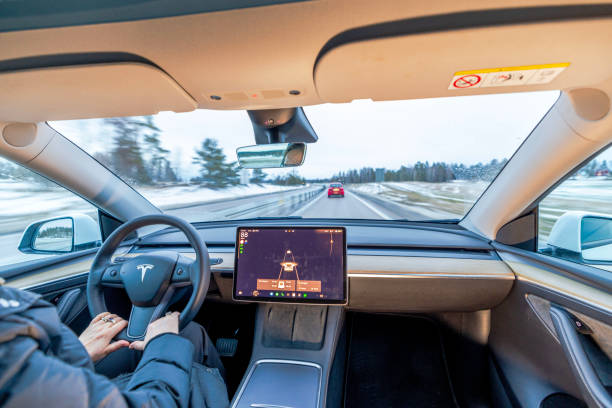
Tesla places a strong emphasis on software. Many features are controlled through the central touchscreen.
Over the Air Updates
Tesla vehicles receive software updates remotely. These updates can:
- Improve performance
- Add features
- Fix bugs
- Adjust vehicle behavior
This keeps the vehicle current without visiting a service center.
Driver Assistance Features
Tesla vehicles include driver assistance systems designed to support, not replace, the driver.
Features may include:
- Adaptive cruise control
- Lane keeping assistance
- Automatic emergency braking
- Traffic aware steering support
These systems require driver attention at all times.
Infotainment and Interface
Tesla interiors are minimal. Most controls are accessed through the touchscreen.
Some drivers enjoy the simplicity. Others prefer physical buttons. This comes down to personal preference.
What Tesla Ownership Is Like
Owning a Tesla is different from owning a traditional car. Some differences are positive, others require adjustment.
Maintenance and Service
Tesla vehicles require less routine maintenance than gas cars.
There is no:
- Oil change
- Spark plug replacement
- Transmission service
However, service can be different. Tesla uses service centers and mobile technicians rather than traditional dealerships.
Repairs and Parts
Repair availability depends on location. In some areas, service centers are limited, which can lead to wait times.
Insurance costs can be higher due to repair complexity and parts availability.
Driving Experience
Tesla vehicles are quiet, quick, and smooth. Acceleration feels different due to instant torque.
Many drivers find electric driving more relaxing, especially in traffic.
Cost of Owning a Tesla in the US
Upfront cost is higher than many gas vehicles, but operating costs can be lower.
Factors to consider include:
- Purchase price
- Federal and state incentives
- Electricity costs
- Insurance
- Maintenance savings
For drivers who commute regularly and charge at home, long term costs can balance out.
Environmental Considerations
Tesla vehicles produce no tailpipe emissions. This reduces local air pollution.
Environmental impact also depends on:
- How electricity is generated
- Battery production
- Vehicle lifespan
While not perfect, electric vehicles generally have lower emissions over time compared to gas vehicles.
Who a Tesla Is Best For
Tesla is not the right choice for everyone.
It works well for:
- Drivers with home charging access
- People who value technology and software
- Commuters with predictable driving patterns
- Drivers interested in electric performance
It may be less ideal for:
- People without reliable charging access
- Those who prefer traditional controls
- Drivers in areas with limited service support
Common Misunderstandings About Tesla
Many opinions about Tesla come from outdated information or assumptions.
Some common misconceptions include:
- Electric cars cannot handle long trips
- Batteries fail quickly
- Charging always takes hours
- Maintenance is complicated
In reality, the experience depends on usage, location, and expectations.
The Future of Tesla in the US
Tesla continues to expand charging infrastructure, improve battery technology, and update software.
The company also influences the broader auto industry. Many traditional manufacturers now offer electric vehicles inspired by Tesla’s approach.
Competition is increasing, which benefits consumers through better options and pricing.
Final Thoughts on Tesla
Tesla has changed how many Americans think about electric vehicles. Its cars are not perfect, and ownership comes with trade offs. At the same time, they offer a driving experience that feels modern, efficient, and different from traditional gas powered vehicles.
Choosing a Tesla should be based on your lifestyle, driving habits, and comfort with new technology. When it fits, it fits well. When it does not, there are plenty of alternatives.
Understanding what Tesla actually offers helps you make that choice with confidence.