

Museums in the United States are more than quiet buildings filled with artifacts. They are active workplaces that bring together historians, artists, educators, technicians, designers, administrators, and many others. If you have ever visited a museum and wondered who makes everything run smoothly, the answer is a surprisingly large and varied group of professionals.
Museum jobs appeal to people for many reasons. Some are drawn by a love of art, history, or science. Others value public service, education, or cultural preservation. Some are simply looking for stable work in a meaningful environment. Whatever the motivation, museum careers are often misunderstood. Many people assume that you must have a PhD or that jobs are rare and unpaid. The reality is more nuanced.
This guide explains museum jobs in the United States in plain language. It covers the types of roles available, required skills, education paths, salary expectations, and how to get started. It is written for visitors, career changers, students, and anyone curious about how museums actually work behind the scenes.
What Counts as a Museum Job?
A museum job is any paid position that supports the mission, operations, and public experience of a museum. Museums in the US include art museums, history museums, science centers, children’s museums, cultural heritage sites, and specialized institutions like aviation or medical museums.

Museum jobs fall into two broad categories: public-facing roles and behind-the-scenes roles. Both are essential, and many museums rely on people who can move comfortably between the two.
Public-facing jobs focus on visitors. These include education staff, guides, visitor services, and retail workers. Behind-the-scenes jobs focus on collections, research, administration, and operations. These include curators, conservators, registrars, archivists, and finance staff.
Some museums are large institutions with hundreds of employees. Others are small and run by a handful of staff members who wear many hats. This means museum jobs can look very different depending on the size, location, and mission of the museum.
Common Types of Museum Jobs
Visitor Services and Front-of-House Roles
Visitor services staff are often the first people guests meet. These roles are ideal for people who enjoy working with the public and creating welcoming environments.
Typical positions include front desk associates, ticketing staff, gallery attendants, and security officers. Responsibilities may involve greeting visitors, answering questions, enforcing gallery rules, and helping ensure safety.
These jobs usually require strong communication skills, patience, and reliability. Formal education requirements are often minimal, which makes these roles accessible entry points into museum work. Many people begin here and later move into other departments.
Museum Educators and Docents
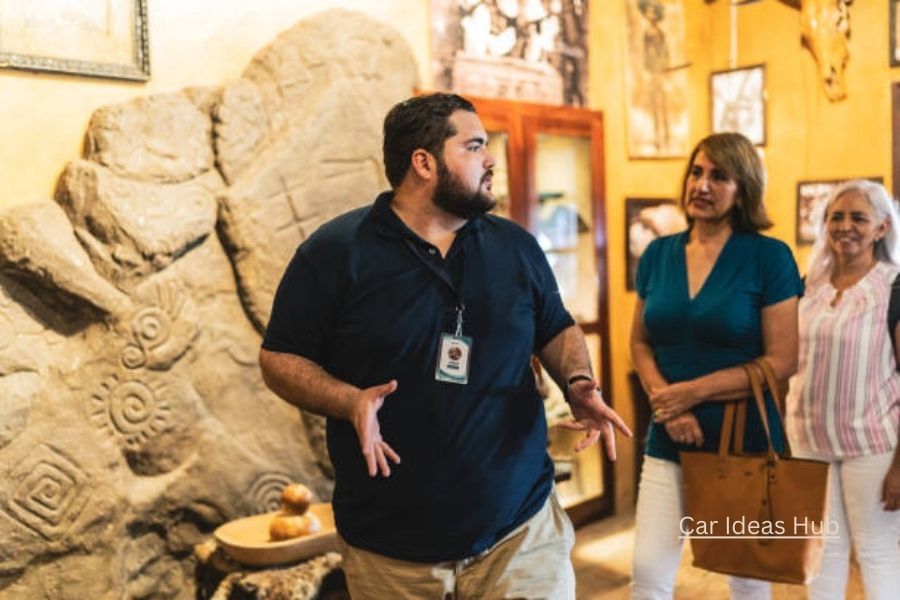
Education is central to most museums. Museum educators design and lead programs for schools, families, adults, and special groups. They may give tours, run workshops, write lesson plans, or create digital learning materials.
Docents are often part-time or volunteer educators who lead tours and talks. While docents are sometimes unpaid, many museums also hire paid educators for regular programming.
Education roles typically require a background in teaching, art history, history, science, or a related field. Strong public speaking skills and the ability to adapt content for different audiences are essential.
Curators
Curators are responsible for shaping exhibitions and managing collections. They research objects, plan displays, write interpretive text, and often work with lenders and donors.
In the United States, curator roles usually require at least a master’s degree in a relevant field. Senior curator positions may require a PhD. Competition can be strong, especially at major museums.
Curatorial work involves deep research but also collaboration, writing, and project management. It is not a solitary job, even though that is a common assumption.Museum Jobs in the United States: A Practical Guide for Anyone Curious About Working in Museums
Collections Managers and Registrars
Collections managers and registrars handle the practical care and documentation of museum objects. They track where objects are, manage loans, oversee storage conditions, and maintain records.
These roles are critical but less visible to the public. They require attention to detail, organizational skills, and knowledge of museum standards. Many professionals in these roles hold degrees in museum studies or related fields.
Conservators
Conservators specialize in the physical care of objects. They repair damage, stabilize materials, and advise on proper handling and storage. Conservation is highly technical and requires specialized training.

In the US, conservators often complete graduate programs followed by fellowships. Jobs are limited and competitive, but the work is deeply respected within the museum field.
Archivists and Librarians
Many museums maintain archives and research libraries. Archivists manage historical documents, photographs, and records. Librarians support research by staff and visitors.
These roles usually require degrees in library or information science. They suit people who enjoy research, organization, and working with primary sources.Museum Jobs in the United States: A Practical Guide for Anyone Curious About Working in Museums
Exhibit Designers and Preparators
Exhibit designers plan how exhibitions look and feel. They work on layout, lighting, graphics, and visitor flow. Preparators handle the physical installation of exhibits, including mounting objects and building display elements.
These jobs blend creativity with technical skill. Backgrounds may include design, fine arts, carpentry, or theater production.
Marketing, Communications, and Development
Museums need marketing and fundraising to survive. Marketing staff manage websites, social media, advertising, and public relations. Development staff focus on fundraising, grants, memberships, and donor relations.
These roles are similar to jobs in other nonprofit organizations and often do not require museum-specific education. Experience in communications, writing, or fundraising is more important.
Administration and Operations
Every museum needs accountants, human resources staff, IT support, and operations managers. These roles keep the institution running smoothly and legally.Museum Jobs in the United States: A Practical Guide for Anyone Curious About Working in Museums
Administrative jobs are sometimes overlooked by people interested in museum work, but they can offer stable career paths and opportunities to support cultural missions without specialized academic training.
Education and Qualifications
One of the most common questions about museum jobs is whether you need a museum studies degree. The honest answer is that it depends on the role.
Some jobs, especially in visitor services and retail, may not require a college degree at all. Others, like education or collections management, usually require at least a bachelor’s degree. Curatorial and conservation roles often require advanced degrees.
Museum studies programs can be useful, but they are not the only path. Many museum professionals come from subject-specific backgrounds such as history, art, science, education, or business.
Practical experience matters a great deal in this field. Internships, part-time work, volunteering, and contract projects often play a key role in getting hired.
Internships and Early Career Opportunities
Internships are common in US museums, especially for students and recent graduates. They offer hands-on experience and exposure to museum operations.
Paid internships are becoming more common, but unpaid internships still exist. If possible, prioritize paid opportunities, as they are more equitable and sustainable.
Early career museum jobs may include assistant or coordinator roles. These positions help build experience and professional networks, even if they are not long-term roles.
Salaries and Job Outlook
Museum salaries in the United States vary widely based on role, location, and institution size. Entry-level positions often pay modest wages, especially in nonprofit museums. Senior roles and specialized positions tend to pay more.
Large museums in major cities generally offer higher salaries but also face higher living costs. Smaller museums may pay less but offer broader responsibilities and closer community ties.
The job market can be competitive, particularly for curatorial and conservation roles. However, museums continue to need staff in education, visitor services, operations, and fundraising.
Working Conditions and Culture
Museum work is often mission-driven. Many people value the sense of purpose and public service. Work environments tend to be collaborative and intellectually engaging.
That said, museums can face budget constraints, staffing shortages, and high expectations. Flexibility, patience, and a willingness to learn are important traits.
Some museum jobs require evening or weekend hours, especially those involving public programs or events.
How to Find Museum Jobs in the US
Museum jobs are commonly posted on museum websites, professional association job boards, and nonprofit job platforms. Networking also plays a role. Attending events, conferences, and talks can help you meet people in the field.
Tailor your resume to highlight relevant skills, even if your experience comes from outside museums. Customer service, teaching, research, writing, and project management are all valuable.
Cover letters matter in this field. Hiring managers often look for genuine interest in the museum’s mission and a clear explanation of how your skills fit the role.
Is a Museum Career Right for You?
Museum jobs are not glamorous in the way movies sometimes suggest. They involve real work, deadlines, and constraints. But for many people, the chance to support learning, preserve culture, and engage the public is deeply rewarding.
If you enjoy learning, sharing knowledge, and working in thoughtful environments, a museum career may be worth exploring. There are many ways to contribute, and no single path fits everyone.
Museums in the United States rely on people with diverse backgrounds and skills. Whether you are just visiting or considering a career change, understanding museum jobs helps you see these institutions as living workplaces, not just quiet galleries.
Final Thoughts
Museum jobs are as varied as the museums themselves. From greeting visitors to conserving priceless objects, each role plays a part in shaping how the public experiences culture and history.
If you are interested in working in a museum, start by learning about the different roles and being honest about your interests and strengths. Build experience where you can, stay curious, and be patient with the process.
Museums need people who care about accuracy, access, and community. If that sounds like you, there may be a place for you in this field.