
If you care about how your car looks, you have probably washed it hundreds of times. You rinse, soap, scrub, dry, and step back expecting a smooth, clean finish. But sometimes the paint still feels rough when you run your hand across it. That roughness is not dirt you can see. It is contamination that regular washing cannot remove. Clay Bar Kit Guide: What It Is, How It Works, and Why Your Car Needs One.
That is where a clay bar kit comes in.
A clay bar kit is one of the most effective and overlooked tools in car care. It restores smoothness to your paint, improves shine, and helps protect your finish long term. Whether you drive a brand new vehicle or an older daily driver, using a clay bar correctly can make a noticeable difference.
This guide explains what a clay bar kit is, how it works, when to use it, how to use it properly, and how to choose the right one. No fluff. Just real information that helps you take better care of your car.
What Is a Clay Bar Kit?
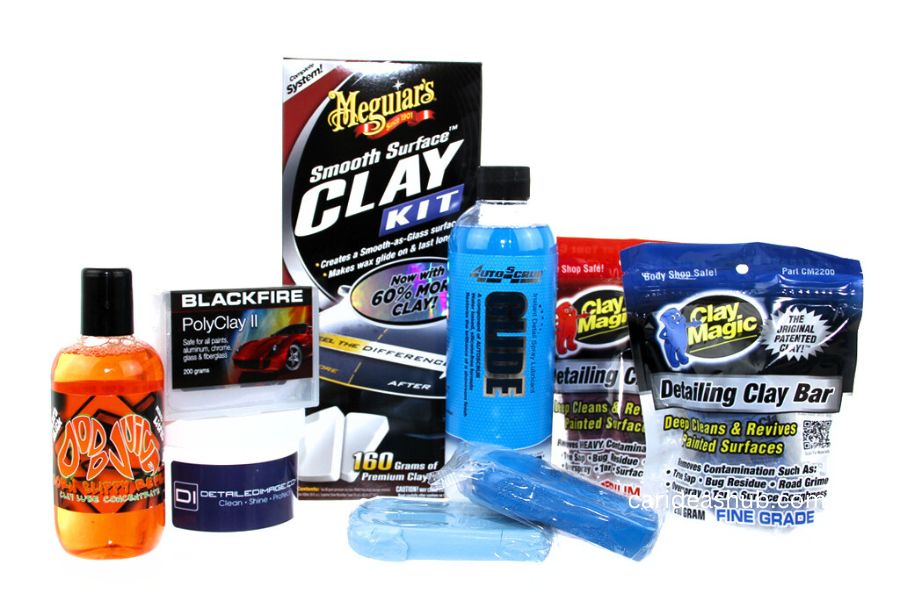
A clay bar kit is a set of detailing tools designed to remove bonded surface contaminants from your car’s paint, glass, and sometimes wheels.
Most kits include:
Clay Bar Kit Guide: What It Is, How It Works, and Why Your Car Needs One
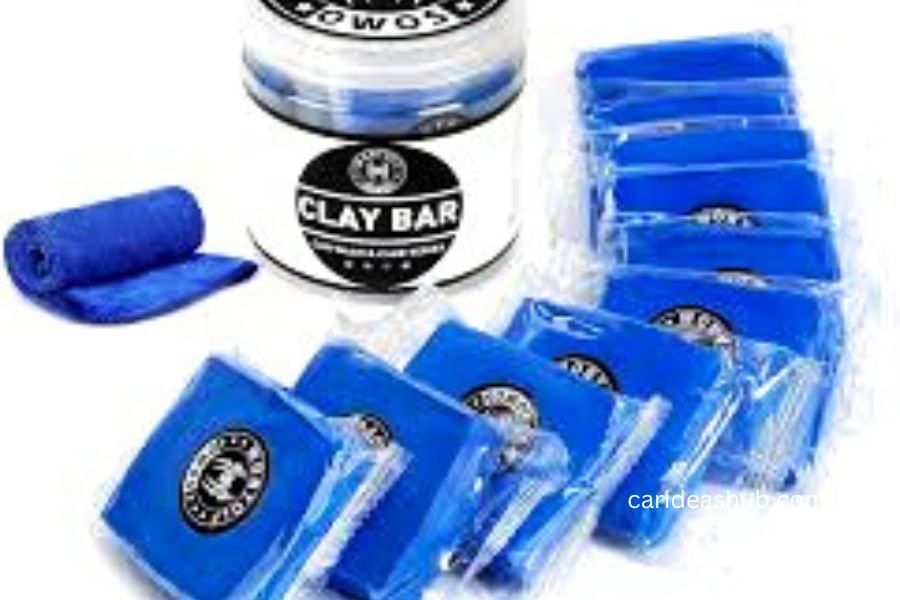
- One or more clay bars or clay alternatives
- A lubricant spray
- A microfiber towel
- Basic instructions
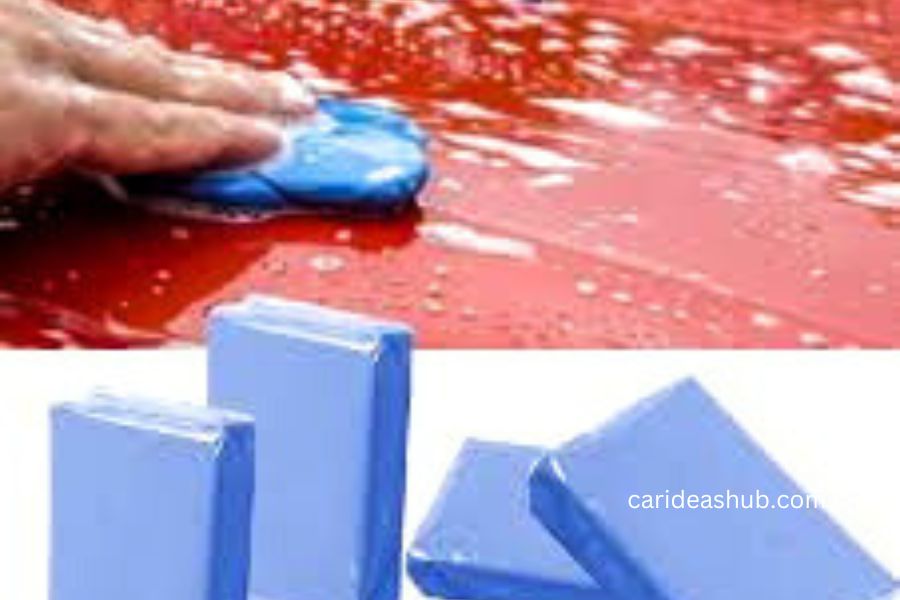
The clay itself is a flexible synthetic material that glides over the surface of your car. As it moves, it pulls out tiny particles that are embedded in the clear coat.
These particles are too stubborn for soap and water to remove. Over time, they build up and make your paint feel rough and look dull.
A clay bar does not polish or wax the car. It cleans the surface at a deeper level so other products can work better.
What Contaminants Does a Clay Bar Remove?
Even if you park in a garage and wash your car regularly, contamination still happens. Cars are exposed to the environment every day.
Common contaminants include:
- Brake dust
- Industrial fallout
- Rail dust
- Tree sap mist
- Road tar
- Bug residue
- Airborne pollution
These particles bond to the paint and slowly degrade the finish. You usually cannot see them, but you can feel them.
Here is a simple test. After washing and drying your car, lightly run your fingertips across the paint. If it feels gritty or rough, contamination is present.
Clay removes these particles safely when used with proper lubrication.
Why Washing Alone Is Not Enough
Car wash soap is designed to remove loose dirt and grime. It does not break the bond between embedded contaminants and the clear coat.
Think of it like washing your hands after working in a garage. Soap removes grease and dust, but it does not remove splinters stuck under the skin.
Clay works differently. It grabs the contaminants and lifts them out of the surface. That is why the paint feels dramatically smoother afterward.
Skipping this step means wax, sealants, and coatings do not bond properly. They sit on top of contamination instead of directly on clean paint.
Benefits of Using a Clay Bar Kit
Using a clay bar kit offers benefits you can see and feel immediately.
Smoother Paint
This is the most noticeable result. The paint becomes slick and glassy to the touch.
Better Shine
By removing embedded particles, light reflects more evenly off the surface.
Improved Protection
Wax and sealants bond better to clean paint, which means they last longer.
Reduced Paint Wear
Contaminants can slowly damage clear coat over time. Removing them helps preserve your finish.
Professional Results at Home
Clay is one of the steps professional detailers rely on. You can achieve similar results with patience and proper technique.
Is Clay Bar Safe for Car Paint?
Yes, when used correctly.
Clay is designed to be softer than automotive clear coat. When paired with adequate lubrication, it glides safely across the surface.
Problems happen when:
- The clay is used dry
- The surface is dirty
- Too much pressure is applied
- Dropped clay is reused
If clay touches the ground, throw it away. It will pick up grit that can scratch your paint.
Used properly, clay is a safe and effective cleaning step.
Types of Clay Bars and Clay Alternatives
Not all clay products are the same. Understanding the differences helps you choose the right one.
Traditional Clay Bars
These come in different grades:
- Fine or mild clay for regular maintenance
- Medium clay for heavier contamination
- Heavy clay for severe cases
Fine clay is best for most vehicles and beginners.
Synthetic Clay Towels and Mitts
These use a rubberized polymer surface instead of traditional clay. They are easier to use and last longer.
Benefits include:
- Faster coverage
- Easier cleanup
- Can be rinsed if dropped
They are slightly less forgiving than fine clay, so proper lubrication is essential.
Clay Pads
Clay pads attach to dual action polishers or are used by hand. They are more common in professional settings.
For most car owners, a traditional clay bar kit or synthetic clay towel kit is the best choice.
What Comes in a Good Clay Bar Kit?
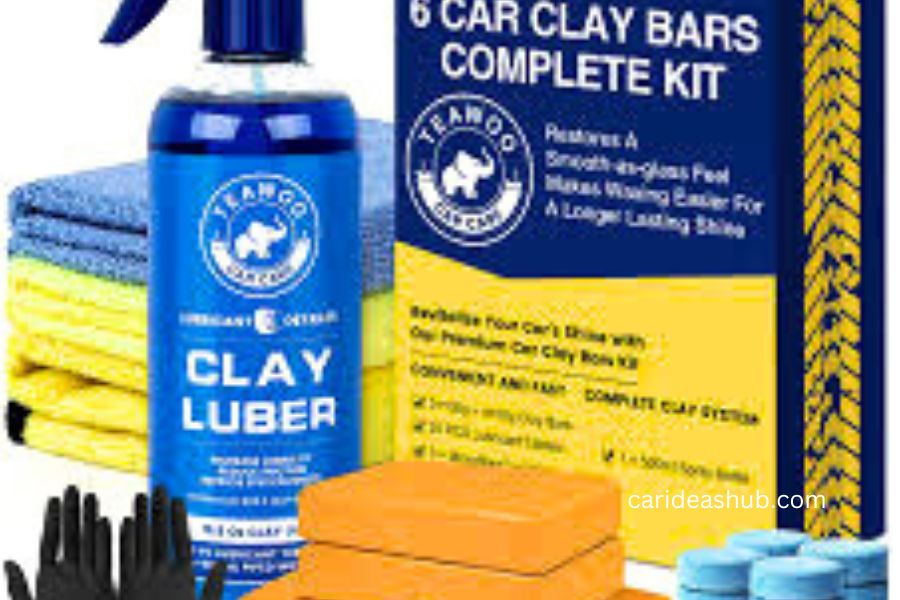
A quality clay bar kit should include:
Clay Bars or Clay Alternative
Enough material to complete at least one full vehicle.
Lubricant Spray
This reduces friction and prevents scratching. Some kits include dedicated clay lube, while others recommend using a quick detailer.
Microfiber Towels
Used to wipe off residue and check your progress.
Clear Instructions
Especially helpful if you are new to claying.
Avoid kits that do not include lubricant. Using water alone is not recommended.
How Often Should You Clay Your Car?
Claying is not something you do every wash.
For most drivers:
- Once or twice a year is enough
- Before waxing or sealing
- Before paint correction or polishing
If your car is exposed to heavy industrial areas or long highway driving, you may need to clay more often.
Always do the touch test after washing to decide.
Step by Step: How to Use a Clay Bar Kit Correctly
This is where many people make mistakes. Take your time and follow the process.
Step 1: Wash the Car Thoroughly
Use proper car wash soap and rinse well. Dry the car completely.
Step 2: Prepare the Clay
Knead the clay into a flat patty about the size of your palm.
Step 3: Work One Section at a Time
Choose a small area, about two feet by two feet.
Step 4: Apply Lubricant Generously
Do not be stingy. The surface should be well lubricated.
Step 5: Glide the Clay Lightly
Move the clay back and forth with light pressure. You will feel resistance at first, then it will smooth out.
Step 6: Wipe and Inspect
Use a microfiber towel to wipe away lubricant. Feel the surface.
Step 7: Knead the Clay Often
Fold and reshape the clay to expose a clean surface.
Step 8: Repeat
Continue until the entire car is done.
Step 9: Protect the Paint
Always apply wax, sealant, or coating afterward. Clay leaves the paint clean but unprotected.
Common Mistakes to Avoid
Even though claying is simple, these mistakes can cause issues.
- Skipping lubrication
- Using too much pressure
- Working on a dirty surface
- Dropping and reusing clay
- Claying in direct sunlight
- Forgetting to protect the paint afterward
Avoiding these mistakes keeps the process safe and effective.
Clay Bar vs Polishing: What Is the Difference?
Clay removes contamination. Polishing removes paint defects.
Clay does not:
- Remove scratches
- Remove swirl marks
- Level paint
Polish does:
- Smooth out minor defects
- Improve clarity
- Restore gloss
Often, claying is done before polishing. It ensures the surface is clean so polish works evenly.
Can You Clay Glass and Wheels?
Yes.
Clay works well on:
- Windshields
- Side windows
- Headlights
- Painted wheels
It removes water spots, brake dust residue, and embedded grime.
Avoid using the same clay on paint after using it on wheels. Wheels are much dirtier and can contaminate the clay.
Choosing the Right Clay Bar Kit for Your Needs
When shopping for a clay bar kit, consider these factors.
Experience Level
Beginners should choose a fine clay or synthetic clay with good lubrication.
Vehicle Condition
Heavily contaminated vehicles may need medium grade clay.
Frequency of Use
If you plan to clay regularly, synthetic clay towels offer better longevity.
Included Accessories
Kits with lubricant and towels provide better value and convenience.
Avoid extremely cheap kits with no brand information. Quality matters when working on paint.
Is a Clay Bar Kit Worth It?
If you care about your car’s appearance, the answer is yes.
For a relatively small investment and a few hours of your time, you get:
- Noticeably smoother paint
- Better shine
- Longer lasting protection
- Professional level results at home
Many people are surprised by how much contamination comes off even a well maintained car.
Once you clay your car properly, it becomes an essential part of your detailing routine.
Final Thoughts
A clay bar kit is not a gimmick or an advanced trick reserved for professionals. It is a practical tool that solves a real problem regular washing cannot fix.
If your paint feels rough, looks dull despite being clean, or if you want your wax and sealants to perform better, claying is the missing step.
Take your time, use plenty of lubricant, and protect the paint afterward. Your car will look better, feel better, and stay protected longer.