
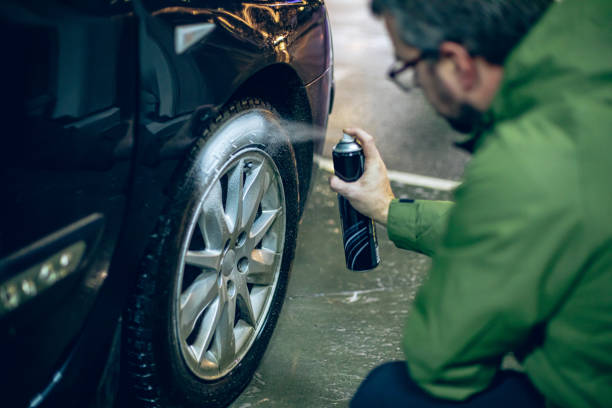
Keeping your car looking clean and glossy is not just about appearances. A well-maintained exterior helps protect the paint, preserve resale value, and make everyday driving more enjoyable. One of the easiest and most effective tools for this job is car polish spray. Unlike traditional paste or liquid polishes, spray polish products are quick to use, beginner-friendly, and well suited for regular maintenance.
This guide explains what car polish spray is, how it works, when to use it, and how to choose the right product. It also covers proper application steps, common mistakes, and answers to frequently asked questions. The focus is on practical advice for car owners in the United States, whether you drive a daily commuter, a family SUV, or a weekend show car.

What Is Car Polish Spray?
Car polish spray is a liquid polishing product packaged in a spray bottle. It is designed to enhance shine, remove light surface imperfections, and add a thin layer of protection to automotive paint. Most spray polishes contain mild abrasives, gloss enhancers, and lubricants that make them safe and easy to apply by hand.
Unlike heavy-duty compounds, spray polish does not aggressively cut into the paint. Instead, it focuses on improving clarity and smoothness while boosting gloss. Many products also include protective elements such as polymers or wax-like ingredients that help repel water and dirt.
Spray polish is often used as a maintenance product between full detailing sessions or after washing the car. It is popular because it saves time and does not require special tools.
Car Polish Spray vs Wax vs Sealant
Car care products are often confused because they serve overlapping purposes. Understanding the differences helps you choose the right product.
Car polish spray is primarily designed to improve the appearance of paint. It can reduce the look of light swirl marks, fine scratches, and oxidation. The protection it provides is usually short-term.
Car wax, whether spray or paste, focuses more on protection than correction. Wax creates a barrier that shields paint from UV rays, moisture, and contaminants. It adds shine, but it does not correct paint defects.
Paint sealants are synthetic products that offer longer-lasting protection than wax. They are ideal for drivers who want durability but are less concerned with frequent polishing.
Many modern spray products combine polishing and protective elements. These hybrids are convenient but still lighter than traditional multi-step detailing systems.
Benefits of Using Car Polish Spray
Car polish spray offers several advantages, especially for everyday drivers.
First, it is easy to use. Most products require only a microfiber towel and a few minutes per panel. This makes them accessible for beginners and busy car owners.
Second, it enhances gloss quickly. A dull or slightly faded paint surface can look noticeably better after a single application.
Third, it helps maintain paint health. By removing light contaminants and smoothing the surface, spray polish reduces the buildup of grime and improves water beading.
Fourth, it is cost-effective. Compared to professional detailing or machine polishing, spray polish is affordable and widely available in the United States at auto parts stores and online.
Finally, it is versatile. Many spray polishes are safe for clear coats, single-stage paint, and even chrome or plastic trim. Always check the label to confirm compatibility.
When Should You Use Car Polish Spray?
Timing matters when it comes to car polish spray.
It is best used after washing and drying the car. Applying polish to a dirty surface can cause scratches and reduce effectiveness.
Spray polish is ideal for regular maintenance, such as once every few weeks or once a month. It is also useful before special occasions, road trips, or car meets when you want your vehicle to look its best.
If your paint has deep scratches, heavy oxidation, or severe swirl marks, spray polish will not be enough. In those cases, a compound or professional paint correction may be required before switching to spray polish for upkeep.
How to Choose the Best Car Polish Spray
The market offers many car polish sprays, and choosing the right one depends on your needs.
Look for products labeled as non-abrasive or lightly abrasive if your paint is in good condition. These are safer for frequent use.
Check whether the product includes protection. Some sprays focus only on shine, while others include polymers or wax for short-term protection.
Consider your climate. In the United States, drivers face varied conditions, from intense sun in southern states to snow and road salt in northern regions. A polish spray with UV protection can be helpful in sunny areas, while slick, water-repellent formulas work well in wet climates.
Read user reviews from verified buyers. Real-world feedback often reveals how easy the product is to apply and how long the results last.
Avoid products that promise unrealistic results. Spray polish improves appearance, but it will not permanently fix damaged paint.

Step-by-Step: How to Apply Car Polish Spray
Applying car polish spray correctly ensures good results and prevents damage.
Start by washing your car thoroughly using a quality car shampoo. Rinse well and dry the vehicle with a clean microfiber towel.
Work in a shaded area on cool paint. Direct sunlight or hot panels can cause streaking.
Shake the bottle well. Lightly mist the polish spray onto one panel at a time. Do not oversaturate the surface.
Using a clean microfiber towel, gently spread the product in straight lines or small circular motions. Apply light pressure only.
Flip the towel to a dry side and buff the area until it looks clear and glossy.
Repeat the process panel by panel, changing towels if they become dirty or damp.
After finishing, allow the product to cure if the instructions recommend it. Some sprays offer immediate results, while others benefit from a short waiting period.
Common Mistakes to Avoid
One common mistake is using too much product. More spray does not mean better results and can lead to smearing.
Another mistake is using dirty or low-quality towels. Always use clean microfiber towels to avoid scratching the paint.
Applying polish to a dirty car is also a frequent error. Dirt trapped between the towel and paint can cause swirl marks.
Finally, do not rely on spray polish as a replacement for all paint care. It works best as part of a routine that includes washing, occasional waxing or sealing, and proper storage.
How Long Does Car Polish Spray Last?
The durability of car polish spray varies by product and driving conditions.
Most sprays last from one to four weeks. Factors such as weather, washing frequency, and exposure to sunlight affect longevity.
For drivers who wash their cars weekly, applying spray polish every two to three weeks is usually sufficient. If the car is garage-kept and driven less often, results may last longer.
Is Car Polish Spray Safe for All Cars?
In general, car polish spray is safe for most modern vehicles with clear coat paint. It is commonly used on sedans, SUVs, trucks, and sports cars sold in the United States.
However, always read the manufacturer instructions. Some products are not recommended for matte or satin finishes. Using polish on these surfaces can alter their appearance permanently.
If your vehicle has custom paint or older single-stage paint, test the product on a small, hidden area first.
DIY vs Professional Detailing
Many car owners wonder whether spray polish can replace professional detailing.
Spray polish is excellent for routine care and minor improvements. It saves money and time and helps maintain a clean look.
Professional detailing, on the other hand, addresses deeper issues such as heavy scratches, oxidation, and long-term protection. It is typically done once or twice a year.
For most drivers, a combination works best. Use professional services when needed, and maintain the finish with car polish spray at home.

Environmental and Safety Considerations
When using car care products, safety matters.
Use polish spray in a well-ventilated area. Avoid inhaling fumes and keep the product away from children and pets.
Dispose of used towels properly and follow local guidelines for chemical disposal if applicable.
Some brands offer eco-friendly formulas with lower chemical content. These can be a good option for environmentally conscious consumers.
Frequently Asked Questions
Is car polish spray the same as quick detailer?
Not exactly. Quick detailers focus on cleaning light dust and fingerprints, while polish spray is designed to enhance shine and correct minor imperfections. Some products combine both functions.
Can I use car polish spray after every wash?
Yes, as long as the product is non-abrasive and labeled safe for frequent use. Always follow the instructions.
Does car polish spray remove scratches?
It can reduce the appearance of very light scratches and swirl marks. Deep scratches require more aggressive correction.
Can I apply wax after using polish spray?
Yes. In fact, waxing after polishing can improve protection and extend shine.
Final Thoughts
Car polish spray is a practical solution for keeping your vehicle looking clean and glossy without spending hours on detailing. It is easy to use, affordable, and effective for routine maintenance. For car owners in the United States who want a balance between appearance and convenience, spray polish fits well into a regular car care routine.
By choosing the right product, applying it correctly, and using it consistently, you can maintain your car’s paint, protect its value, and enjoy a better-looking ride every day.