
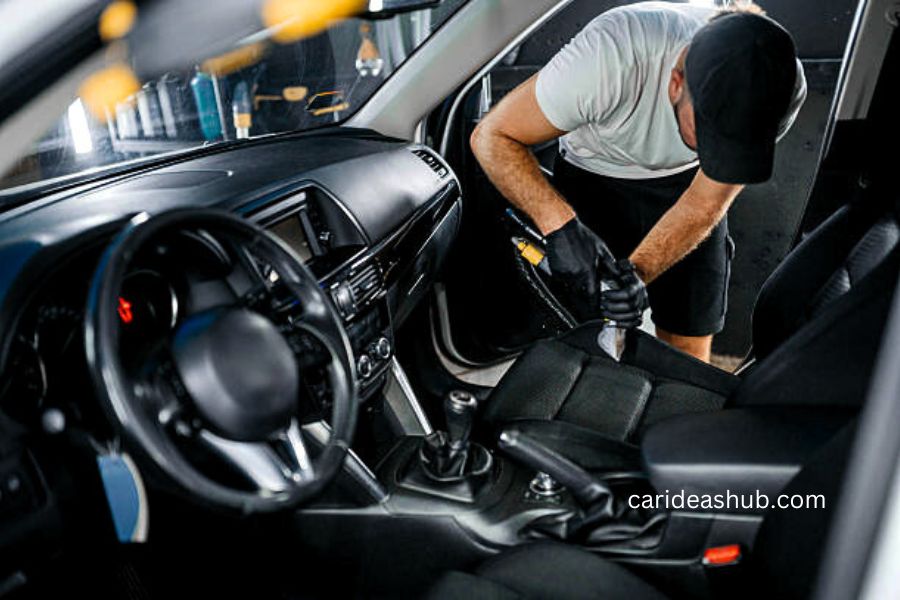
If you have searched for auto detailing classes near me, you are probably serious about learning how to detail cars the right way. Maybe you want to start a side business. Maybe you want to switch careers. Or maybe you just want to take better care of your own vehicles without guessing or copying random videos online.
Auto detailing is a real skill. It combines hands on technique, product knowledge, patience, and attention to detail. When done correctly, it protects vehicles, improves their appearance, and adds real value. Learning it properly can save you years of trial and error.
This guide is written to help you understand what auto detailing classes actually offer, how to find them near you in the United States, what they cost, what you will learn, and how to decide if formal training is worth it for your goals.
What Auto Detailing Classes Really Teach
Auto detailing is more than washing a car and applying wax. Good classes focus on systems, safety, and consistency. Most reputable programs teach both theory and hands on practice.
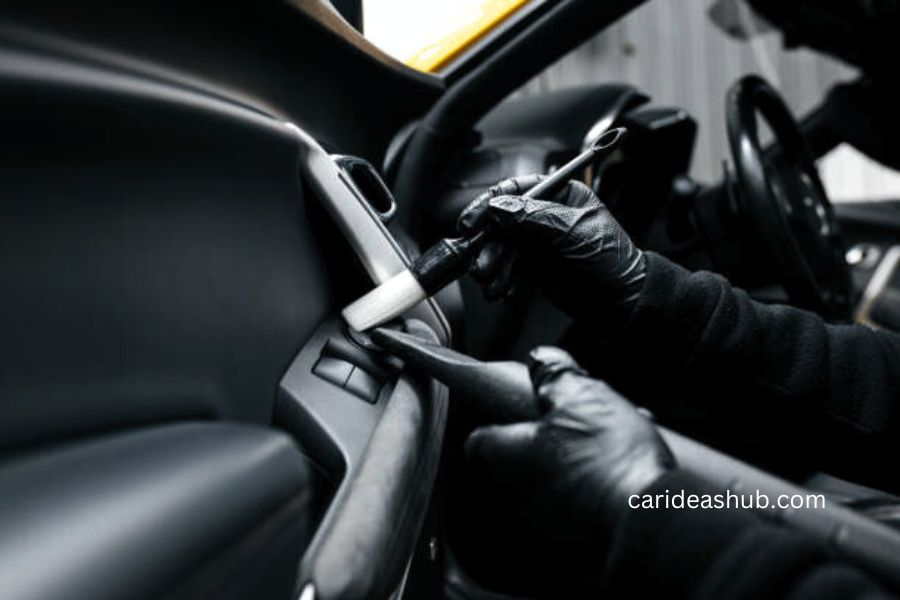
Core skills you can expect to learn
A quality auto detailing class usually covers:
• Proper wash methods to prevent scratches
• Paint decontamination using clay and chemical processes
• Machine polishing and paint correction
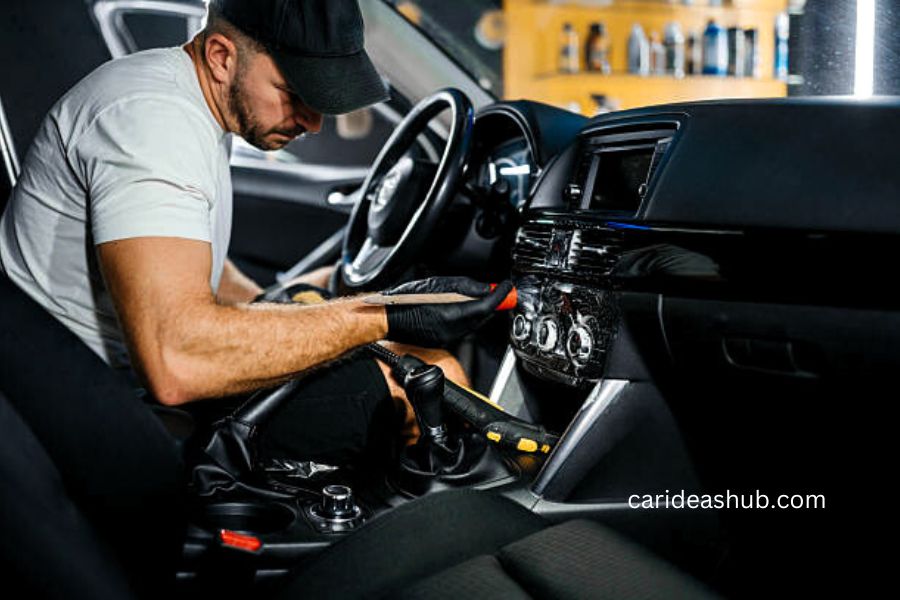
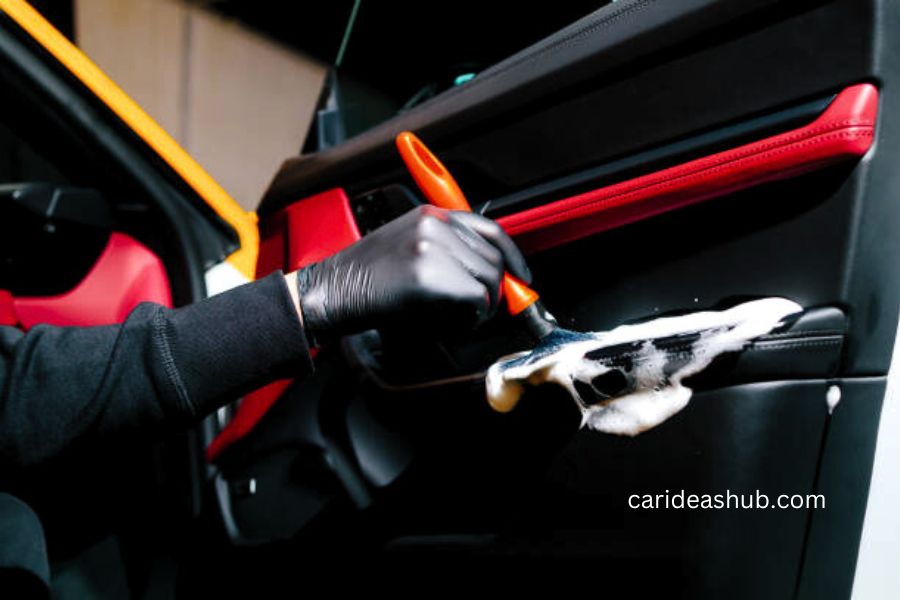
• Interior cleaning for fabric, leather, vinyl, and plastics
• Safe chemical usage and dilution
• Wheel, tire, and engine bay detailing
• Paint protection options such as wax, sealants, and ceramic coatings
Advanced classes may also include:
• Multi step paint correction
• Wet sanding basics
• Ceramic coating installation
• Business setup and pricing strategies
• Mobile detailing workflows
If a class skips hands on practice or avoids explaining why certain methods work, that is a red flag.
Types of Auto Detailing Classes Near You
Not all detailing classes are the same. In the United States, they usually fall into a few main categories.
Local in person detailing schools
These are physical locations where you attend classes in a shop environment. You work on real vehicles with real tools. This is the best option if you learn by doing.
Pros
• Hands on training
• Direct instructor feedback
• Real world experience
Cons
• Travel may be required
• Higher cost
Community college and vocational programs
Some community colleges and trade schools offer automotive appearance or reconditioning courses. These programs are usually more structured and slower paced.
Pros
• Affordable tuition
• Recognized certificates
• Good foundation
Cons
• Limited advanced techniques
• Less focus on modern coatings
Manufacturer and brand training centers
Some detailing product manufacturers offer training classes at their facilities. These often focus on proper use of their products.
Pros
• Learn professional grade systems
• Often taught by experienced trainers
Cons
• Brand specific focus
• Limited availability
Mobile workshops and pop up training events
Detailing trainers sometimes travel and host short term workshops in different cities.
Pros
• Short time commitment
• Great for refreshers
Cons
• Limited depth
• Schedule dependent
How to Find Auto Detailing Classes Near You Right Now
If you are searching for auto detailing classes near me now, here are practical ways to find real options in your area.
Search locally with intent
Use searches like:
• Auto detailing training near me
• Car detailing classes in [your city or state]
• Auto detailing school USA
Check map results, not just websites. Many small training shops rely on local listings.
Ask local detailers directly
Visit reputable detailing shops in your area. Ask where they learned or if they offer training. Many experienced detailers mentor students or host small classes.
Check detailing supply stores
Professional auto detailing supply stores often know about local training programs. Some even host classes themselves.
Look on industry forums and groups
Facebook groups, Reddit communities, and detailing forums often share upcoming classes and workshops. Search by city or state.
Avoid generic online course ads
If a course promises mastery in a few hours or guarantees income, be careful. Detailing takes practice.
What to Expect on Day One of a Detailing Class
Walking into your first auto detailing class can feel intimidating, especially if you are new. A good program sets expectations clearly.
You will usually start with:
• Safety procedures
• Tool and chemical overview
• Proper wash techniques
Hands on practice often begins immediately. You should expect to get dirty. Mistakes are normal and encouraged during training.
Instructors should explain not just how to do something, but why it matters. For example, why two bucket washing reduces scratches or why paint thickness matters during polishing.
How Long Auto Detailing Classes Usually Take
The length of auto detailing classes varies widely.
• Introductory classes may last one or two days
• Core training programs often run three to five days
• Advanced paint correction classes may take a full week
• Community college programs may run several weeks
Shorter classes are good for learning basics. Longer programs are better if you plan to work professionally.
Cost of Auto Detailing Classes in the USA
Pricing depends on location, instructor experience, and depth of training.
Typical ranges:
• One day workshops: $300 to $800
• Three to five day professional courses: $1,500 to $3,500
• Community college programs: $500 to $2,000
Be cautious of extremely cheap or extremely expensive courses. Price alone does not guarantee quality.
Ask what is included. Some programs include tools, chemicals, lunch, or follow up support.
Are Auto Detailing Classes Worth It
This depends on your goals.
When classes make sense
• You want to start a detailing business
• You want consistent professional results
• You want to avoid damaging paint or interiors
• You prefer structured learning
When self learning might be enough
• You only detail your own vehicles
• You enjoy experimenting
• You already have basic experience
Even experienced detailers often take classes to refine skills or learn new techniques.
Certifications and Proof of Training
Auto detailing does not require a license in most US states. Certifications are optional, but they can help with credibility.
Some classes provide certificates of completion. These are useful for marketing and client trust, not legal requirements.
If certification matters to you, ask:
• Is the certificate recognized in the industry
• Does it require testing or hands on evaluation
What Tools and Products You Will Use in Class
Most training programs provide professional equipment. This may include:
• Dual action polishers
• Rotary polishers
• Foam cannons
• Microfiber towels
• Professional chemicals
Using professional tools helps you understand what real detailing feels like. It also helps you decide what to buy later.
Avoid programs that rely only on household products.
Mobile Detailing Training vs Shop Based Training
Mobile detailing classes focus on working from a van or trailer. Shop based classes focus on controlled environments.
Mobile training teaches:
• Water management
• Power solutions
• Working in different weather
Shop training teaches:
• Controlled lighting
• Multi step correction
• High end coatings
Choose based on how you plan to work.
Common Mistakes Beginners Make Without Training
Skipping formal training often leads to avoidable mistakes.
• Scratching paint during washing
• Burning paint with improper polishing
• Using harsh chemicals incorrectly
• Overpromising results to clients
Good classes teach you how to avoid these issues before they cost you money or reputation.
How to Choose the Right Auto Detailing Class Near You
Before enrolling, ask these questions.
• How much hands on practice is included
• How many students per instructor
• What experience does the instructor have
• Are real vehicles used
• Is there post class support
If a program cannot answer clearly, look elsewhere.
Auto Detailing as a Career Path
Many people take detailing classes to build a career. Detailing can lead to:
• Mobile detailing businesses
• High end correction and coating services
• Dealership reconditioning work
• Fleet maintenance contracts
Income depends on skill level, location, and business management. Training shortens the learning curve.
What Happens After the Class Ends
The best classes offer support after training.
This may include:
• Access to private groups
• Ongoing advice
• Discounts on supplies
• Refresher courses
Learning does not stop after class. Practice and repetition matter.
Frequently Asked Questions About Auto Detailing Classes
Do I need experience before enrolling
No. Many classes welcome beginners. Some advanced courses require prior experience.
Can I bring my own vehicle
Some programs allow this. Others provide practice vehicles.
Will I be job ready after training
You will have a strong foundation, but real world experience is still needed.
Are online detailing courses enough
They can help, but they do not replace hands on practice.
Final Thoughts
Searching for auto detailing classes near me is a smart move if you want real skills, not shortcuts. Good training saves time, protects vehicles, and builds confidence.
Whether you plan to start a business or simply want professional level results, learning from experienced instructors makes a difference. Take your time choosing a program. Ask questions. Look for hands on training and honest instruction.