
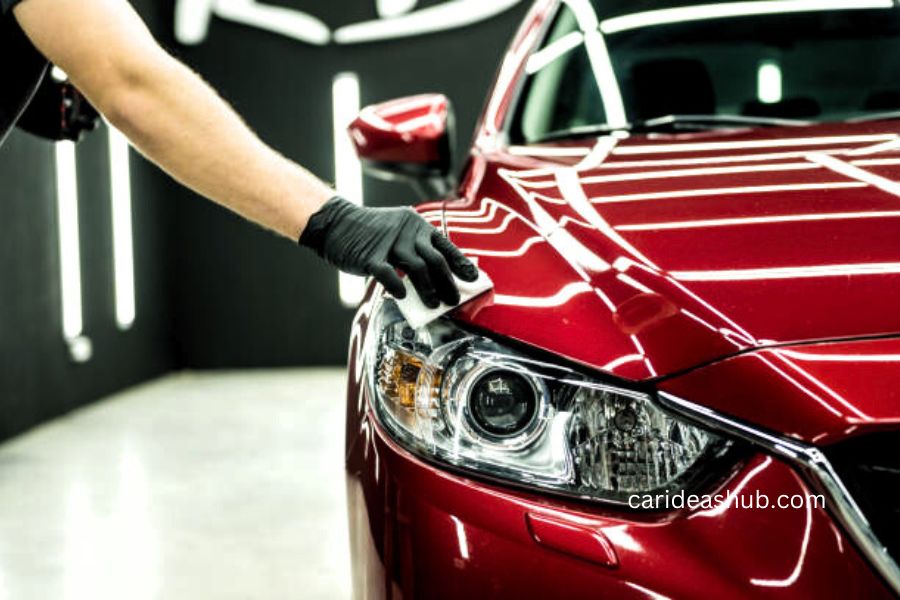
If you care about your vehicle, you have probably heard about ceramic coating. It shows up in car forums, detailing shops, and even dealership add-ons. Some people call it a game changer. Others say it is just expensive wax.
This guide breaks down everything you need to know about vehicle ceramic coating in plain language. We will cover what it is, how it works, what it costs in the United States, how long it lasts, and whether it makes sense for your car. No hype. Just practical information you can actually use.
What Is Vehicle Ceramic Coating?
Ceramic coating is a liquid polymer applied to the exterior surfaces of a vehicle. Once applied and cured, it bonds with the factory paint and creates a protective layer.
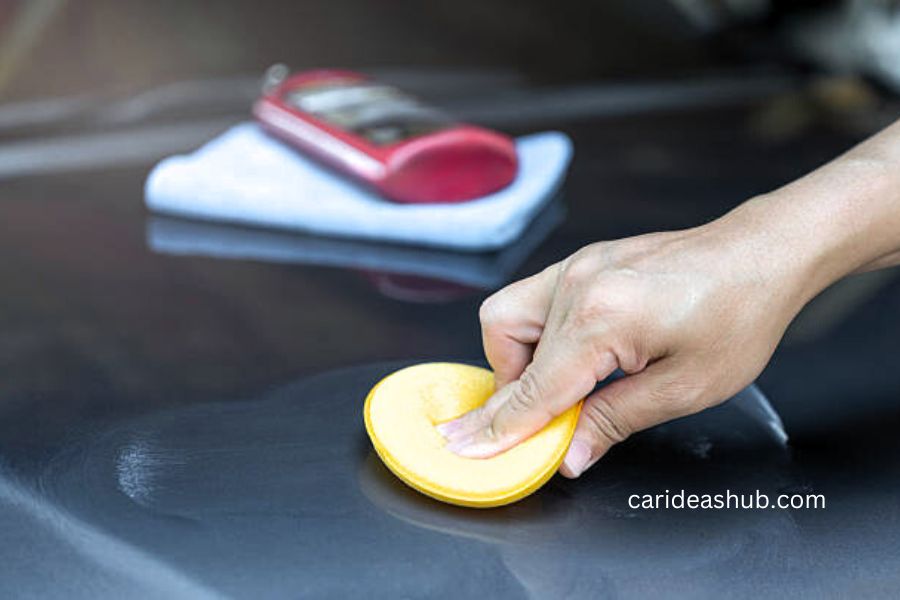
Unlike wax or traditional sealants that sit loosely on top of the paint, ceramic coating forms a semi permanent bond. Most high quality coatings are made with silicon dioxide, often referred to as SiO2. Some advanced formulas also use titanium dioxide for added durability and gloss.
When properly installed, ceramic coating creates a hard, transparent layer over your clear coat. This layer helps protect against environmental damage and makes the surface easier to clean.
It is important to understand one key point. Ceramic coating does not replace paint protection film. It does not make your car scratch proof or rock chip proof. It is a strong protective layer, but it is not armor plating.
How Does Ceramic Coating Work?
To understand how ceramic coating works, it helps to know a little about car paint.
Modern vehicles have multiple layers:
- Metal body panel
- Primer
- Base color coat
- Clear coat
The clear coat is what gives your car its gloss and protects the color underneath. Over time, this clear coat is exposed to:
- UV rays from the sun
- Road salt
- Bird droppings
- Tree sap
- Brake dust
- Dirt and grime
- Acid rain
Ceramic coating bonds to the clear coat and acts as a sacrificial layer. It takes the hit from contaminants so your factory paint does not have to.
One of the biggest features of ceramic coating is hydrophobic behavior. That means it repels water. Water beads up and rolls off the surface instead of sitting flat. As water rolls off, it often carries dirt and debris with it. This makes washing your vehicle easier and reduces water spots.
Benefits of Ceramic Coating for Vehicles
If you are considering ceramic coating in the United States, you are likely looking for long term paint protection and easier maintenance. Here are the main benefits.
1. Long Lasting Protection
Traditional car wax may last a few weeks. Synthetic sealants can last a few months. A professional grade ceramic coating can last anywhere from two to five years, and sometimes longer with proper maintenance.
That means fewer reapplications and more consistent protection.
2. Strong UV Protection
In many parts of the US, especially states like Florida, Arizona, Texas, and California, the sun is intense. UV rays can oxidize paint over time, leading to fading and dullness.
Ceramic coating adds a layer of UV resistance that helps preserve the color and gloss of your vehicle.
3. Easier Cleaning
Because ceramic coatings are hydrophobic, dirt does not stick as easily. Mud, road grime, and brake dust have a harder time bonding to the surface.
You still need to wash your car. Ceramic coating does not make it self cleaning. But it makes the process faster and less frustrating.
4. Chemical Resistance
Bird droppings, bug splatter, and tree sap can damage paint if left on too long. Ceramic coating provides a level of chemical resistance, which gives you more time to remove these contaminants before they etch into the clear coat.
5. Enhanced Gloss and Shine
One of the first things people notice after ceramic coating is the depth and gloss. The surface looks richer and more reflective. Dark colored cars in particular benefit from this effect.
It gives your vehicle that freshly detailed look for a much longer time.
6. Better Resale Value
A well maintained exterior can increase resale value. Buyers notice clean, glossy paint. While ceramic coating alone will not guarantee a higher price, it can help your vehicle stand out in a competitive used car market.
What Ceramic Coating Does Not Do
It is easy to get caught up in marketing claims. Let’s clear up some common misconceptions.
- It does not make your car scratch proof
- It does not prevent rock chips
- It does not eliminate the need for washing
- It does not fix deep paint damage
If your vehicle already has swirl marks, scratches, or oxidation, those need to be corrected before applying the coating. Otherwise, they will be sealed under the coating.
For protection against rock chips and physical impacts, paint protection film is the better option. Many car owners combine paint protection film on high impact areas with ceramic coating on the rest of the vehicle.
Professional Ceramic Coating vs DIY Kits
In the US market, you will find two main options. Professional grade ceramic coating applied by a detailer, or DIY ceramic coating kits that you can apply at home.
Professional Ceramic Coating
Professional installation usually includes:
- Full exterior wash
- Clay bar treatment
- Paint decontamination
- Machine paint correction
- Careful application of the coating
- Controlled curing environment
Shops may offer multi year warranties depending on the product used.
The cost typically ranges from $800 to $2,500 or more. The final price depends on vehicle size, paint condition, and coating type.
DIY Ceramic Coating Kits
DIY kits are widely available online and in auto stores. They usually cost between $50 and $200.
While the application process is straightforward on paper, proper prep work is where most people fall short. Without paint correction and careful surface preparation, the coating will not bond properly and may not last as long.
DIY coating can be a good option if:
- Your vehicle is newer and in good condition
- You are comfortable with detailing work
- You are willing to follow instructions carefully
For older vehicles with visible defects, professional installation is usually worth the investment.
How Long Does Ceramic Coating Last?
The lifespan of ceramic coating depends on several factors:
- Quality of the product
- Proper surface preparation
- Climate conditions
- How often you wash the car
- Whether you follow maintenance guidelines
In general:
- Entry level coatings last around one to two years
- Mid range coatings last three to five years
- Premium coatings may last five years or longer
Regular maintenance washes and occasional booster products can extend the life of the coating.
Ceramic Coating Cost in the USA
Pricing varies widely across the country. Urban areas with high demand for detailing services may charge more than smaller towns.
Here is a general breakdown:
- Small car: $800 to $1,500
- SUV or truck: $1,000 to $2,500
- High end or multi layer coating packages: $2,500 and up
Keep in mind that much of this cost is labor. Paint correction alone can take several hours or even a full day depending on the vehicle’s condition.
If a price sounds too good to be true, it probably is. Proper ceramic coating takes time and skill.
Is Ceramic Coating Worth It?
The answer depends on your goals.
Ceramic coating is worth it if:
- You plan to keep your car for several years
- You care about maintaining a glossy, clean look
- You want easier maintenance
- You live in an area with harsh weather
It may not be worth it if:
- You plan to sell the car soon
- You rarely wash your car
- You are not concerned about appearance
- You expect it to prevent all scratches and chips
For many US car owners, especially those who drive daily in tough weather conditions, ceramic coating offers a practical balance between protection and convenience.
How to Maintain a Ceramic Coated Vehicle
Once your vehicle is coated, proper care matters.
Wash Regularly
Use a pH neutral car shampoo. Avoid harsh detergents that can degrade the coating.
Wash every two to four weeks depending on driving conditions.
Avoid Automatic Car Washes with Brushes
Brush style car washes can create swirl marks. Touchless car washes are a better option, but hand washing is best.
Use Microfiber Towels
Dry the vehicle with clean microfiber towels or a car dryer. This reduces the risk of scratches.
Apply Maintenance Boosters
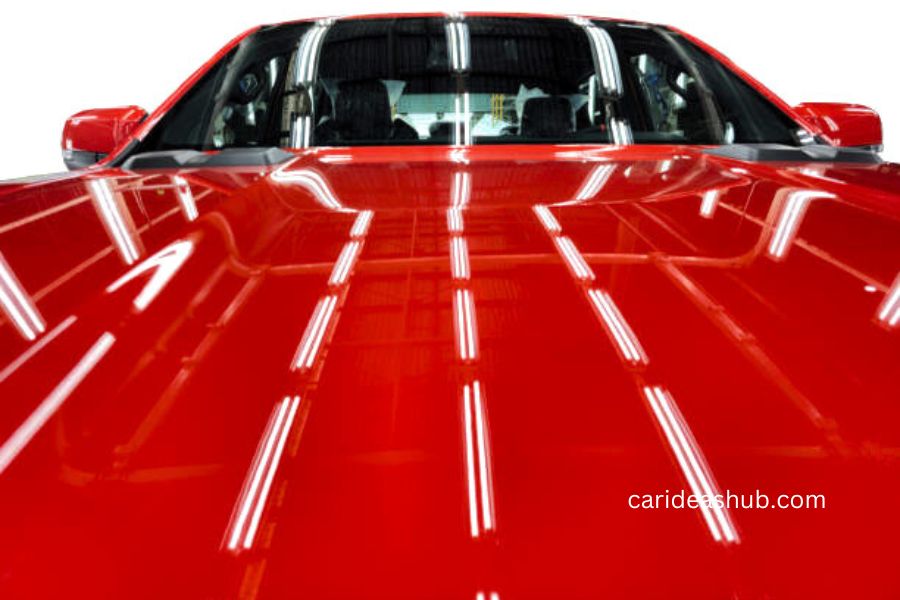
Some detailers recommend periodic spray sealants designed for ceramic coatings. These help refresh hydrophobic properties.
Ceramic Coating for Different Types of Vehicles
Ceramic coating is not just for luxury cars. It works well on:
- Daily drivers
- Pickup trucks
- SUVs
- Sports cars
- Electric vehicles
- Fleet vehicles
Truck owners in states with snowy winters often benefit from easier salt removal. In coastal areas, protection against salt air is another advantage.
Even motorcycles, RVs, and boats can benefit from ceramic coatings designed for those surfaces.
Choosing the Right Ceramic Coating Installer
If you decide to go with professional installation, do your homework.
Look for:
- Verified customer reviews
- Before and after photos
- Clear explanation of the process
- Written warranty details
- Clean and organized shop environment
Ask what level of paint correction is included. A good installer will inspect your vehicle and explain what it needs before giving you a final quote.
Ceramic Coating vs Wax and Sealant
Let’s compare them directly.
Wax
- Lasts weeks
- Low cost
- Easy to apply
- Limited durability
Synthetic Sealant
- Lasts a few months
- Moderate cost
- Better durability than wax
Ceramic Coating
- Lasts years
- Higher upfront cost
- Stronger protection
- Professional prep often required
If you enjoy detailing your car frequently, wax may still make sense. If you prefer longer lasting protection with less frequent reapplication, ceramic coating is the stronger option.
Final Thoughts on Vehicle Ceramic Coating
Ceramic coating is not magic. It will not make your car indestructible. But it is one of the most effective ways to protect automotive paint without covering it in film.
For many car owners in the United States, it strikes the right balance between protection, appearance, and convenience. It keeps your vehicle looking newer for longer and reduces the effort required to maintain it.
If you are serious about protecting your investment, ceramic coating is worth considering. Just make sure you understand what it can and cannot do. Choose a reputable installer or take your time with a DIY kit.
A well maintained vehicle always stands out. Ceramic coating is simply one of the smartest tools available to help you keep it that way.