
Seeing a P0174 code can be frustrating, especially when the car still runs well enough to drive. Sometimes the check engine light appears with no obvious warning. Other times the engine feels rough, lacks power, or hesitates during acceleration. The P0174 code is common on many vehicles and often points to an issue that has been developing for a while.
This guide explains what the P0174 code means, how the engine detects it, what symptoms to watch for, and how the problem is usually diagnosed and repaired. It is written for everyday drivers in the United States who want clear answers without unnecessary complexity.
What Does the P0174 Code Mean?
The P0174 code means System Too Lean Bank 2.
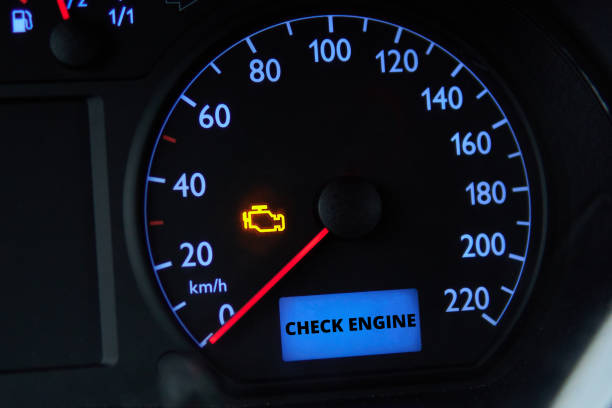
A lean condition occurs when there is too much air or not enough fuel entering the engine during combustion. The engine control module monitors this using oxygen sensors. When it detects that the air fuel mixture on Bank 2 stays lean beyond its correction limits, it stores the P0174 code and turns on the check engine light.
Bank 2 refers to the side of the engine that does not contain cylinder number one. On inline engines, there is only one bank, so P0174 typically applies to V type engines.
Why a Lean Condition Matters
Engines are designed to run at a very specific air fuel ratio. When the mixture becomes lean, combustion temperatures increase and performance suffers.
A prolonged lean condition can lead to:
- Engine hesitation
- Loss of power
- Increased emissions
- Engine knocking
- Damage to valves or pistons
- Catalytic converter failure
Even if the car still drives, the issue should be addressed.
Common Symptoms of a P0174 Code
Some vehicles show clear symptoms. Others only show the check engine light.
Common symptoms include:
- Rough idle
- Stalling at stops
- Hesitation during acceleration
- Reduced power
- Poor fuel economy
- Engine misfires
- Check engine light illuminated
Symptoms are often more noticeable at idle or low speeds.
Is It Safe to Drive With a P0174 Code?
In many cases, short trips are possible if the car feels normal. However, extended driving with a lean condition is not recommended.
A lean engine runs hotter than normal. Over time, this can damage internal components. If the engine misfires, stalls, or the check engine light flashes, driving should be limited until repairs are made.
Most Common Causes of a P0174 Code
The P0174 code points to a condition, not a specific part. Several issues can cause the engine to run lean on Bank 2.
Vacuum Leaks
Vacuum leaks are the most frequent cause of lean codes.
Unmetered air enters the engine, leaning out the mixture.
Common vacuum leak sources include:
- Cracked or disconnected vacuum hoses
- Intake manifold gasket leaks
- Brake booster hose leaks
- PCV hoses or valves
Vacuum leaks often cause rough idle that improves at higher speeds.
Mass Airflow Sensor Problems
The mass airflow sensor measures incoming air. If it underreports airflow, the engine computer injects too little fuel.
Common issues include:
- Dirty sensor elements
- Oil contamination from oiled air filters
- Electrical problems
Cleaning the sensor can sometimes resolve the issue.
Fuel Delivery Issues
If Bank 2 does not receive enough fuel, the mixture becomes lean.
Possible fuel related causes:
- Weak fuel pump
- Clogged fuel filter
- Low fuel pressure
- Dirty or failing fuel injectors
- Faulty fuel pressure regulator
Fuel issues often appear during acceleration or under load.
Exhaust Leaks Upstream of the Oxygen Sensor
An exhaust leak before the oxygen sensor allows outside air to enter the exhaust stream.
This can cause the sensor to report excess oxygen, leading the computer to believe the mixture is lean.
Common leak points include:
- Exhaust manifold
- Gaskets
- Cracked pipes
Faulty Oxygen Sensor
Oxygen sensors are critical for fuel control.
A failing sensor may send inaccurate readings, leading to incorrect fuel adjustments.
Sensor failure is more common in high mileage vehicles.
PCV System Problems
A PCV valve stuck open can allow too much air into the intake.
This often causes lean conditions at idle.
PCV valves are inexpensive but often overlooked.
Engine Sensor Errors
Other sensors that influence fuel calculations include:
- Intake air temperature sensor
- Engine coolant temperature sensor
- Manifold absolute pressure sensor
Incorrect data from these sensors can trigger lean codes.
P0174 vs P0171: Why They Often Appear Together
P0171 indicates Bank 1 too lean.
P0174 indicates Bank 2 too lean.
When both codes appear together, the cause is often something affecting the entire engine, such as:
- Vacuum leaks
- Mass airflow sensor issues
- Fuel pressure problems
When only P0174 appears, the issue may be more localized to Bank 2, such as:
- Intake gasket leaks on one side
- Injector issues on Bank 2
- Exhaust leaks on that side
How the Engine Detects a Lean Condition
The engine control module uses oxygen sensor feedback to adjust fuel delivery. It increases fuel when it detects excess oxygen in the exhaust.
When fuel trim values exceed a programmed limit and the mixture remains lean, the computer stores the P0174 code.
This means the system has already tried to correct the issue and cannot.
Step by Step Diagnosis of a P0174 Code
Step 1: Check for Additional Codes
Other codes can help pinpoint the cause, especially misfire or sensor related codes.
Step 2: Inspect for Vacuum Leaks
Look for:
- Cracked hoses
- Loose fittings
- Hissing sounds
- Brittle plastic lines
Professional smoke testing is often the most effective method.
Step 3: Inspect and Clean the Mass Airflow Sensor
Use only mass airflow sensor cleaner. Never touch the sensor element.
A dirty sensor is a common and simple fix.
Step 4: Check Fuel Pressure
Low fuel pressure can cause lean conditions.
A fuel pressure test checks:
- Pump performance
- Filter condition
- Regulator operation
Step 5: Inspect the PCV System
Check for stuck valves, cracked hoses, or incorrect routing.
Step 6: Check for Exhaust Leaks
Listen for ticking sounds near the engine. Visual inspection helps, but some leaks require closer inspection.
Step 7: Evaluate Oxygen Sensor Data
Live data from a scan tool can show whether the sensor is responding correctly.
Common Mistakes When Fixing a P0174 Code
The most common mistake is replacing parts without proper diagnosis.
Other mistakes include:
- Replacing oxygen sensors too early
- Ignoring vacuum leaks
- Clearing codes without fixing the cause
- Using poor quality replacement parts
These approaches often lead to repeat problems.
How Much Does It Cost to Fix a P0174 Code?
Repair costs depend on the cause.
Typical scenarios include:
- Vacuum hose replacement at low cost
- Mass airflow sensor cleaning at minimal cost
- PCV valve replacement at low cost
- Oxygen sensor replacement at moderate cost
- Fuel pump replacement at higher cost
Proper diagnosis usually saves money.
Will a P0174 Code Cause an Emissions Test Failure?
Yes. In most US states, an active check engine light results in an emissions test failure.
Clearing the code before testing usually does not work because readiness monitors must reset.
Preventing Lean Condition Codes
Some causes cannot be avoided, but good maintenance helps.
Helpful practices include:
- Replacing air filters regularly
- Avoiding over oiled aftermarket filters
- Inspecting vacuum hoses during oil changes
- Addressing small drivability issues early
- Using quality fuel
When to See a Mechanic
Professional help is recommended if:
- The code returns after repairs
- The engine runs poorly
- Both lean codes appear
- Fuel pressure testing is needed
- You lack diagnostic tools
Some lean conditions are simple. Others require experience and specialized equipment.
Final Thoughts
The P0174 code means your engine is running lean on Bank 2. It does not automatically mean a major repair, but it does mean something needs attention. Vacuum leaks, airflow measurement issues, and fuel delivery problems are the most common causes.
Understanding what the code means helps you avoid guesswork and unnecessary expenses. Addressing the issue early protects your engine, improves performance, and prevents long term damage