
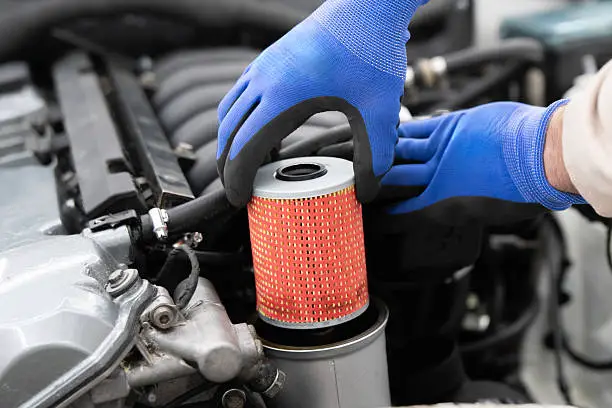
Oil filters do not get much attention, but they play a critical role in keeping an engine alive. Many drivers focus on oil type and oil change intervals while giving little thought to the filter. That is a mistake. A good oil filter keeps contaminants out of the engine, protects internal parts, and helps oil do its job properly.
This guide explains what oil filters do, how they work, the different types available, how to choose the right one, and how often they should be replaced. It is written for everyday drivers in the United States who want to understand their vehicles better and avoid unnecessary engine problems.
What an Oil Filter Does
Engine oil circulates constantly while the engine is running. As it moves through the engine, it picks up dirt, metal particles, carbon deposits, and sludge. If these contaminants are not removed, they circulate repeatedly and cause wear.
The oil filter removes these particles before the oil returns to the engine. Without a filter, oil would become abrasive very quickly and damage bearings, camshafts, pistons, and other critical components.
In simple terms, the oil filter keeps the oil clean so the engine can last longer.
Why Oil Filters Matter More Than Most People Think
Modern engines are built with tight tolerances. Small particles that once passed through older engines can cause real damage in newer ones.
A quality oil filter:
- Reduces engine wear
- Helps maintain proper oil pressure
- Protects moving parts
- Supports longer engine life
- Helps oil perform as designed
A poor quality or clogged filter can restrict oil flow or allow contaminants to pass through. Both situations are harmful.
How an Oil Filter Works
Oil enters the filter through small holes around the outer edge. Inside the filter, oil passes through filter media that traps contaminants. Clean oil then flows through the center tube and back into the engine.
Most oil filters also contain:
- An anti drainback valve
- A bypass valve
These components protect the engine under different conditions.
Anti Drainback Valve Explained
The anti drainback valve prevents oil from draining out of the filter when the engine is off. This keeps oil ready for immediate circulation during startup.
If this valve fails:
- Oil drains back into the oil pan
- Engine experiences dry starts
- Wear increases at startup
This valve is especially important in vehicles where the filter mounts horizontally or upside down.
Bypass Valve Explained
The bypass valve allows oil to flow around the filter media if the filter becomes clogged or if oil is too thick during cold starts.
This prevents oil starvation, which can destroy an engine quickly.
Unfiltered oil is better than no oil at all. The bypass valve ensures oil continues flowing even in extreme conditions.
Types of Oil Filters
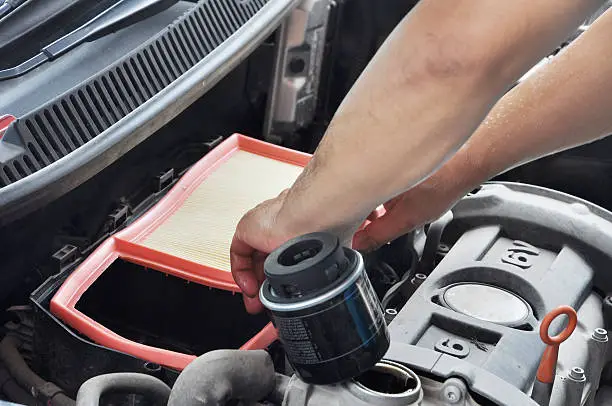
Spin On Oil Filters
Spin on filters are the most common type used in the United States.
They are self contained units that screw directly onto the engine. Inside the metal canister are the filter media, valves, and seals.
Advantages:
- Easy to replace
- Widely available
- Affordable
Most passenger vehicles use spin on filters.
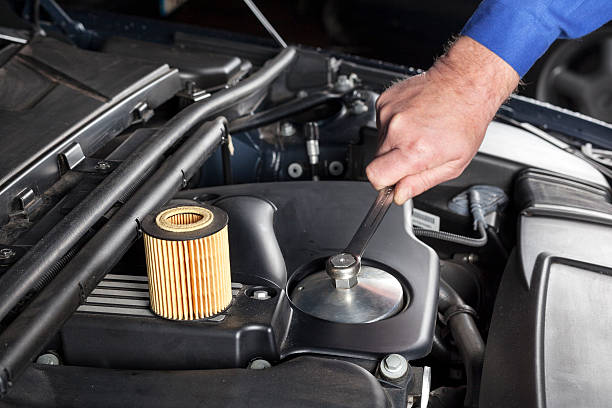
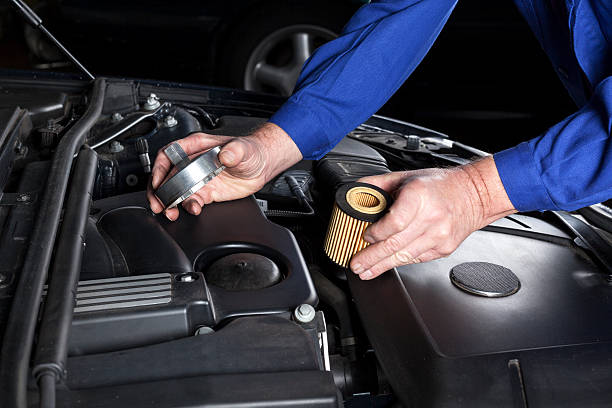
Cartridge Oil Filters
Cartridge filters use a replaceable filter element that fits inside a housing.
The housing remains on the engine while only the internal filter is replaced.
Advantages:
- Less waste
- Often used in newer vehicles
- Allows inspection of filter media
They require more care during installation to avoid leaks.
Magnetic Oil Filters
Magnetic filters use magnets to attract metal particles.
They are usually used in combination with traditional filtration, not as a replacement.
They can help capture metal shavings but do not remove dirt or sludge.
High Performance Oil Filters
These filters are designed for high performance engines or extended oil change intervals.
They often feature:
- Synthetic filter media
- Higher dirt holding capacity
- Stronger housings
- Improved flow rates
They cost more but can be worthwhile for certain driving conditions.
Oil Filter Media Types
Cellulose Media
Cellulose is made from paper fibers.
Pros:
- Low cost
- Adequate for normal oil change intervals
Cons:
- Lower dirt holding capacity
- Breaks down faster than synthetic media
Synthetic Media
Synthetic media uses man made fibers.
Pros:
- Better filtration
- Higher capacity
- Longer life
- Better performance in extreme temperatures
Cons:
- Higher cost
Blended Media
Blended filters use a mix of cellulose and synthetic fibers.
They offer a balance between cost and performance.
How Often Should You Change the Oil Filter?
The oil filter should be replaced every time the oil is changed.
Skipping the filter may save a few dollars but creates several problems:
- Old contaminants remain in the system
- Filter may clog prematurely
- Oil quality degrades faster
Even if oil looks clean, the filter may be near capacity.
Oil Filters and Oil Change Intervals
Extended oil change intervals put more demand on the filter.
If you follow longer intervals:
- Use a high quality filter
- Avoid cheap or no name brands
- Follow manufacturer recommendations
The filter must last as long as the oil.
Choosing the Right Oil Filter
Follow Manufacturer Specifications
Always start with the filter specified for your vehicle.
Using the wrong filter can cause:
- Oil leaks
- Low oil pressure
- Improper fit
- Engine damage
Consider Your Driving Habits
Your driving conditions matter.
Short trips, stop and go traffic, towing, and extreme temperatures increase oil contamination.
In these cases, a higher quality filter is a smart choice.
Avoid the Cheapest Option
Not all filters are built the same.
Low cost filters may use:
- Thin filter media
- Weak housings
- Poor quality valves
A filter failure can cause serious engine damage.
Common Oil Filter Problems
Clogged Oil Filter
A clogged filter restricts oil flow.
Symptoms may include:
- Low oil pressure warning
- Engine noise
- Reduced performance
The bypass valve may open, allowing unfiltered oil to circulate.
Leaking Oil Filter
Leaks can occur due to:
- Loose installation
- Damaged gasket
- Double gasket from old filter
- Incorrect filter size
Always check for leaks after an oil change.
Collapsed Filter Media
Poor quality filters may collapse internally, blocking oil flow.
This is rare but serious.
Signs of a Bad Oil Filter
Possible warning signs include:
- Oil pressure warning light
- Knocking or ticking sounds
- Oil leaks
- Dirty oil shortly after a change
These symptoms can overlap with other problems, so inspection is important.
Can an Oil Filter Cause Engine Damage?
Yes.
If a filter:
- Restricts oil flow
- Fails internally
- Leaks oil
- Uses faulty valves
The engine may suffer from poor lubrication.
Oil starvation can cause damage very quickly.
Oil Filters and Cold Starts
Cold oil is thicker and harder to move.
A quality filter:
- Allows proper flow during cold starts
- Uses a reliable bypass valve
- Maintains oil in the filter with a good anti drainback valve
Cheap filters often perform poorly in cold conditions
Should You Pre Fill an Oil Filter?
Pre filling is recommended when:
- The filter mounts vertically
- It is easy to access
Do not pre fill filters that mount sideways or upside down.
Always lubricate the gasket with fresh oil before installation
Environmental Considerations
Used oil filters contain oil and contaminants.
They should be:
- Drained properly
- Recycled where possible
- Disposed of according to local regulations
Many auto parts stores accept used filters.
Oil Filters for High Mileage Vehicles
High mileage engines benefit from:
- Consistent oil changes
- Quality filters
- Proper oil viscosity
A good filter helps manage increased contaminants from older engines.
Oil Filters and Engine Longevity
Oil filters do not add horsepower or improve fuel economy directly. Their value lies in protection.
A clean engine:
- Runs more smoothly
- Lasts longer
- Avoids costly repairs
Skipping filter quality is a false economy.
Common Oil Filter Myths
All Oil Filters Are the Same
They are not. Construction, media, and valves vary widely.
You Can Skip the Filter Every Other Oil Change
This increases contamination and risk.
Bigger Filters Are Always Better
Only if they are designed for the engine and allow proper pressure.
When to Ask a Mechanic
If you notice:
- Repeated oil pressure warnings
- Persistent leaks
- Unusual engine noises
- Oil filter collapsing issues
A professional inspection is wise.
Final Thoughts
Oil filters are simple components with an important job. They protect your engine every time you drive. Choosing a quality filter and replacing it regularly is one of the easiest ways to extend engine life and avoid expensive repairs.
You do not need the most expensive filter on the shelf, but you should avoid the cheapest. Match the filter to your driving habits, oil change interval, and vehicle requirements.
A few extra dollars spent on a good oil filter is an investment in your engine’s long term health.