
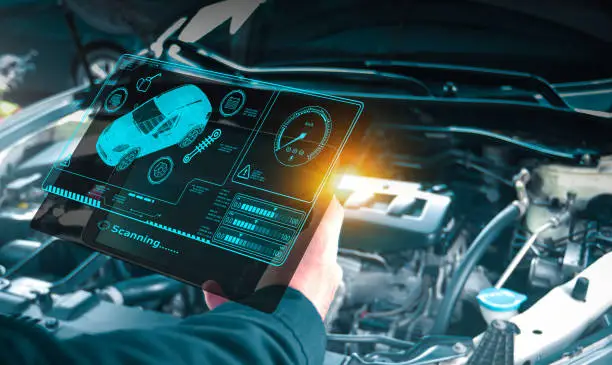
Modern cars are filled with sensors and computers that constantly monitor how the vehicle is running. When something goes wrong, the car stores diagnostic trouble codes that point to the issue. An OBD2 scanner is the tool that allows you to access this information. For many drivers in the United States, owning an OBD2 scanner saves time, money, and frustration.
This guide explains what an OBD2 scanner is, how it works, how to choose the right one, and how to use it correctly. It is written for everyday car owners, DIY mechanics, and anyone who wants clear and practical information without technical overload.
What Is an OBD2 Scanner?
An OBD2 scanner is a diagnostic tool that connects to your vehicle’s onboard diagnostics system. OBD2 stands for On-Board Diagnostics, second generation. This system became mandatory on all passenger vehicles sold in the United States starting in 1996.
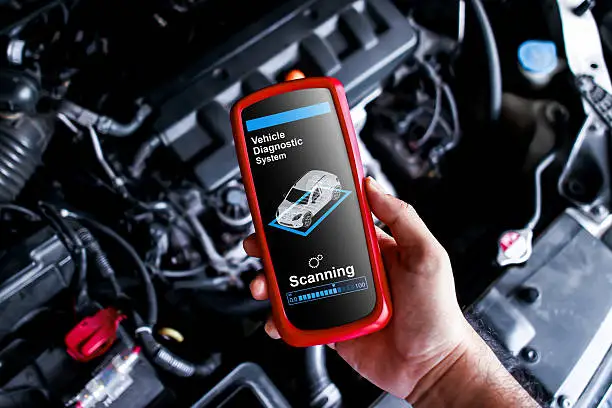
The scanner reads fault codes stored in the vehicle’s computer. These codes help identify problems related to the engine, transmission, emissions system, and other key components.
Some scanners only read and clear codes. Others provide live data, readiness status, and advanced diagnostics.
How the OBD2 System Works
Your vehicle has an electronic control unit, often called the ECU or ECM. This computer receives data from sensors throughout the car. When a sensor detects a value outside normal limits, the system records a trouble code and may turn on the check engine light.
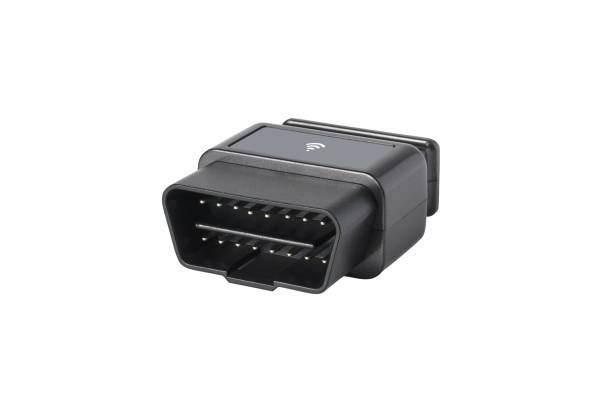
An OBD2 scanner plugs into a standardized port, usually located under the dashboard near the steering column. Once connected, it communicates with the ECU and displays stored codes and related data.
Each code follows a standard format, such as P0300 or P0420. The letter indicates the system involved, and the numbers identify the specific issue.
Why Every Car Owner Should Have an OBD2 Scanner
Many drivers only think about diagnostics after a warning light appears. Having an OBD2 scanner on hand changes how you deal with car problems.
First, it gives you immediate information. Instead of guessing why a warning light is on, you can read the code within minutes.
Second, it helps you make informed decisions. Knowing whether a problem is minor or serious helps you decide whether to drive, repair it yourself, or visit a shop.
Third, it can save money. Mechanics often charge a diagnostic fee. Reading the code yourself can reduce or eliminate that cost.
Finally, it improves communication with repair shops. When you know the code, discussions are clearer and more transparent.
Types of OBD2 Scanners
OBD2 scanners vary widely in price and capability. Understanding the main types helps you choose the right one.
Basic Code Readers
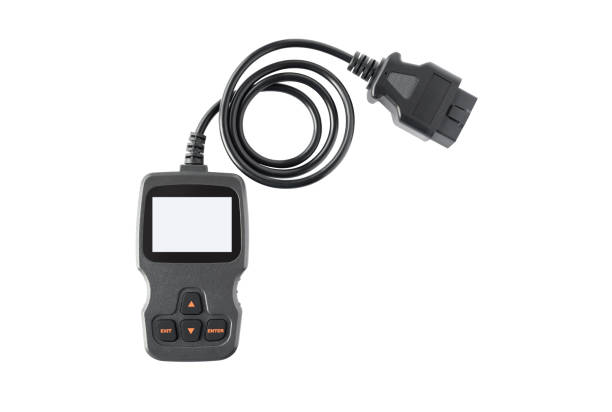
These are entry-level scanners. They read and clear engine-related trouble codes and reset the check engine light.
They are affordable and easy to use. For many drivers, this level of functionality is enough.
Enhanced OBD2 Scanners
Enhanced scanners provide additional data. They can display live sensor readings, freeze frame data, and emissions readiness status.
These tools are useful for diagnosing recurring problems and monitoring vehicle performance.
Professional Diagnostic Scanners
Professional scanners offer advanced features such as ABS, airbag, and transmission diagnostics.
They are designed for technicians and serious DIY users. These tools cost more but provide deeper access to vehicle systems.
Bluetooth OBD2 Scanners
Bluetooth scanners connect to a smartphone or tablet using an app.
They are compact and convenient. App quality varies, so choosing a well-supported platform matters.
What Can an OBD2 Scanner Diagnose?
An OBD2 scanner focuses mainly on engine and emissions-related systems.
Common issues include misfires, oxygen sensor faults, catalytic converter efficiency problems, and evaporative emissions leaks.
Advanced scanners can also access systems like ABS, traction control, and airbags.
It is important to understand that an OBD2 scanner points to the system experiencing a problem, not always the exact failed part. Further testing may be required.
Understanding OBD2 Trouble Codes
OBD2 trouble codes follow a standard structure.
Codes starting with P relate to the powertrain. B refers to body systems. C relates to chassis systems. U indicates communication issues.
Generic codes apply to all vehicles. Manufacturer-specific codes provide more detailed information but require compatible scanners.
Learning basic code meanings helps you interpret results more accurately.
How to Choose the Best OBD2 Scanner
Choosing the right scanner depends on how you plan to use it.
If you want basic information and quick checks, a simple code reader is enough.
If you perform your own maintenance, look for a scanner with live data and readiness monitors.
For newer vehicles, compatibility matters. Always confirm the scanner supports your vehicle’s make and model.
User-friendly screens, clear menus, and good instructions are important, especially for beginners.
Reading reviews from US-based users helps identify reliable models.
Using an OBD2 Scanner Step by Step
Using an OBD2 scanner is straightforward.
Turn the vehicle off and locate the OBD2 port.
Plug in the scanner securely.
Turn the ignition to the on position. Some scanners work with the engine running.
Follow the on-screen instructions to read codes.
Write down the codes before clearing them.
After repairs, clear the codes and drive the vehicle to see if the issue returns.
Clearing Codes and Check Engine Lights
Clearing a code turns off the warning light, but it does not fix the underlying problem.
If the issue remains, the light will return after a short drive cycle.
Clearing codes before an emissions test may cause the vehicle to fail if readiness monitors are not set.
OBD2 Scanners and Emissions Testing
In many US states, emissions testing is required.
An OBD2 scanner can check readiness monitors before a test. This helps avoid a failed inspection.
If a check engine light is on, most vehicles will fail emissions testing automatically.
Using a scanner helps you address problems in advance.
Common Mistakes When Using an OBD2 Scanner
One common mistake is replacing parts based only on a code.
Another is clearing codes without documenting them.
Ignoring manufacturer-specific codes can also lead to incomplete diagnoses.
Understanding limitations prevents wasted time and money.
OBD2 Scanner vs Professional Diagnosis
An OBD2 scanner is a diagnostic starting point, not a replacement for professional expertise.
For complex problems, a technician may use additional tools and tests.
However, having scanner data puts you in a stronger position when seeking professional help.
OBD2 Scanners for Used Car Buyers
An OBD2 scanner is a valuable tool when buying a used vehicle.
Scanning the car can reveal hidden trouble codes that are not visible on the dashboard.
It can also identify recently cleared codes, which may signal unresolved issues.
Safety and Best Practices
Always follow basic safety rules when working on a vehicle.
Do not scan while driving.
Use scanners only as directed.
Keep tools away from moisture and extreme heat.
Frequently Asked Questions
Will an OBD2 scanner work on all cars?
It works on all US vehicles made in 1996 or later.
Can an OBD2 scanner damage my car?
When used properly, it is safe.
Do I need an internet connection?
Standalone scanners do not. App-based scanners may require one.
Final Thoughts
An OBD2 scanner is one of the most useful tools a car owner can have. It provides insight into how your vehicle is running and helps you respond quickly when problems arise.
For drivers in the United States, where vehicles rely heavily on electronic systems and emissions standards are strict, an OBD2 scanner offers both convenience and peace of mind.
Choosing the right scanner and learning how to use it properly can make car ownership simpler and more predictable.