

Manufacturers sit at the center of the modern economy. Almost every physical product you touch started its life in a manufacturing facility somewhere in the world. From food and clothing to cars, electronics, and medical equipment, manufacturing turns ideas and raw materials into usable goods.
This guide explains what a manufacturer is, how manufacturing works in the United States, and why choosing the right manufacturer matters for businesses and consumers. It is written for practical understanding, not theory, and focuses on real world decisions people make every day.
What Is a Manufacturer?
A manufacturer is a business or organization that produces goods by converting raw materials or components into finished or semi finished products. These goods are then sold to distributors, wholesalers, retailers, or directly to consumers.
Manufacturers can operate at many scales. Some are small workshops producing niche items in limited quantities. Others are global companies running massive factories with automated production lines. What they share is the role of creating products rather than reselling them.
In the United States, manufacturers are regulated by federal and state laws that cover safety, labor, environmental standards, and product compliance. This makes US based manufacturing reliable but often more expensive than production in lower cost regions.

Types of Manufacturers
Not all manufacturers operate the same way. Understanding the main categories helps businesses choose the right production partner and helps consumers understand how products reach the market.
Original Equipment Manufacturer
An Original Equipment Manufacturer, often called an OEM, produces parts or products that are used in another company’s final product. For example, an OEM might manufacture automotive brake components that are installed in vehicles sold under a different brand.
OEM manufacturing is common in industries such as automotive, electronics, aerospace, and industrial equipment. Quality standards are usually strict because OEM parts directly affect safety and performance.
Original Design Manufacturer
An Original Design Manufacturer, or ODM, designs and manufactures products that other companies sell under their own brand name. Many private label consumer goods are produced this way.
ODM manufacturing allows brands to launch products quickly without investing heavily in product development. However, customization options may be limited compared to custom manufacturing.
Contract Manufacturer
A contract manufacturer produces goods based on a client’s specifications. The client owns the design, branding, and intellectual property, while the manufacturer focuses on production.
This model is popular with startups and growing businesses that want to scale production without building their own factories. It is common in electronics, pharmaceuticals, food production, and consumer goods.
Private Label Manufacturer
Private label manufacturers produce generic products that retailers brand and sell as their own. Many store brand foods, supplements, and household products fall into this category.
Private labeling offers fast market entry and lower costs, but differentiation depends mostly on branding and marketing rather than product design.
How the Manufacturing Process Works
While manufacturing methods vary by industry, most follow a similar process from concept to finished product.
Product Design and Planning
Manufacturing begins with a product concept. This includes design specifications, materials, dimensions, performance requirements, and compliance standards. In regulated industries, this step also includes certifications and testing plans.
Clear documentation at this stage prevents costly errors later.
Sourcing Raw Materials
Manufacturers source raw materials or components from approved suppliers. Quality, cost, availability, and supply chain reliability all matter. Many US manufacturers prioritize domestic suppliers to reduce shipping risks and delays.
Production and Assembly
Production may involve machining, molding, casting, printing, assembly, or chemical processing. Some facilities rely heavily on automation, while others use skilled labor for precision work.
Quality control checks typically occur at multiple stages to catch defects early.
Testing and Quality Control
Finished products are inspected and tested to ensure they meet specifications and safety standards. This can include physical testing, stress testing, electrical testing, or chemical analysis.
In the US, often follow standards set by organizations such as ASTM, ISO, FDA, or UL, depending on the product type.
Packaging and Distribution
After approval, products are packaged for shipping and labeled according to regulatory requirements. Distribution may go through wholesalers, retailers, fulfillment centers, or direct to consumer channels.
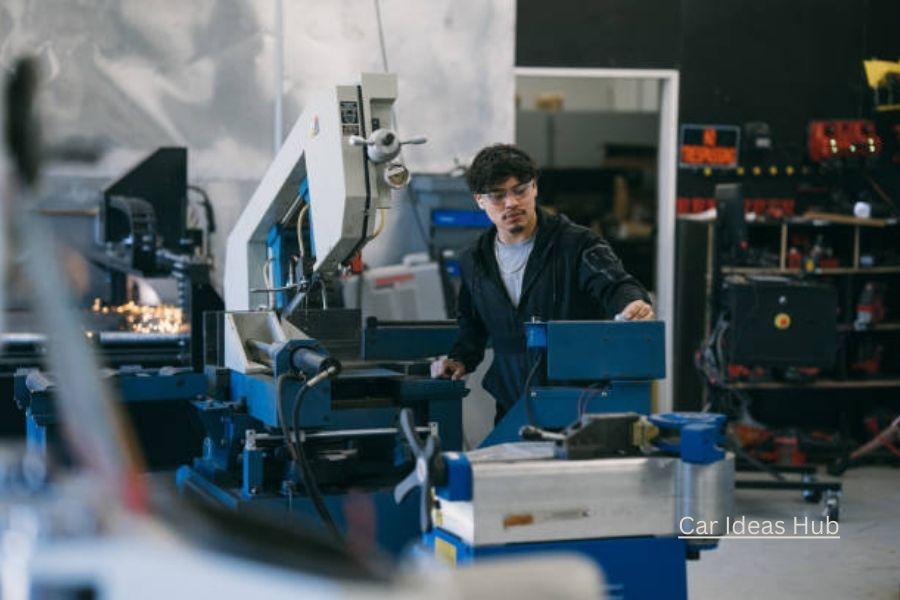
Manufacturing in the United States
US manufacturing has changed significantly over the past few decades. While some production moved overseas, domestic manufacturing remains strong in key sectors.
Key US Manufacturing Industries
Major manufacturing sectors in the United States include automotive, aerospace, defense, food and beverage, medical devices, pharmaceuticals, machinery, and chemicals.
Advanced manufacturing techniques such as robotics, additive manufacturing, and smart factories have helped US stay competitive despite higher labor costs.
Advantages of US Manufacturers
Working with US offers several benefits. Communication is easier due to shared language and time zones. Quality standards are typically high. Intellectual property protection is stronger. Shipping times are shorter for domestic markets.
These advantages matter for businesses focused on reliability, compliance, and brand reputation.
Challenges Facing US Manufacturers
Higher labor and regulatory costs remain challenges. Workforce shortages in skilled trades also affect production capacity. Supply chain disruptions and material price volatility add further pressure.
Many address these issues through automation, training programs, and supplier diversification.

Choosing the Right Manufacturer
Selecting a manufacturer is a strategic decision. The wrong choice can lead to delays, quality issues, and financial loss.
Define Your Requirements
Before contacting, define your needs clearly. This includes product specifications, volume, budget, lead time, quality standards, and compliance requirements.
Clarity saves time and reduces misunderstandings.
Evaluate Experience and Capabilities
Look for with experience in your product category. Ask about their equipment, certifications, quality control systems, and past clients.
A factory that excels at metal fabrication may not be suitable for food production or electronics assembly.
Assess Communication and Transparency
Strong communication is essential. Reliable provide clear timelines, realistic pricing, and regular updates. Avoid partners who overpromise or avoid detailed questions.
Review Samples and References
Request product samples and speak with existing clients if possible. This provides insight into quality consistency and customer service.
Manufacturer vs Distributor vs Wholesaler
These terms are often confused but represent different roles in the supply chain.
A creates the product. A distributor buys products from manufacturers and sells them to retailers or businesses. A wholesaler sells goods in bulk, often at lower prices, but does not produce them.
Understanding these roles helps businesses choose the right partners and pricing strategies.
Responsibilities and Compliance
Manufacturers carry legal and ethical responsibilities. In the US, this includes worker safety, environmental compliance, and product liability.
Failure to meet regulations can result in fines, recalls, and lawsuits. Reputable invest heavily in compliance systems and audits.
The Future of Manufacturing
Manufacturing continues to evolve. Automation, artificial intelligence, and data driven production are reshaping factories. Sustainability is also becoming a priority, with reducing waste, energy use, and emissions.
Consumers increasingly care about where and how products are made. Transparency and responsible manufacturing practices influence purchasing decisions.
Why Manufacturers Matter to Consumers
Even if you never interact directly with a, their decisions affect product quality, safety, price, and availability. Understanding helps consumers make informed choices and recognize the value behind well made products.
Final Thoughts
Manufacturers play a critical role in the economy by turning ideas into tangible goods. Whether you are a business owner sourcing products or a consumer curious about how things are made, understanding leads to better decisions.
In the United States, balance innovation, quality, and compliance in a competitive global market. Choosing the right manufacturer is not about finding the cheapest option. It is about reliability, trust, and long term value.