
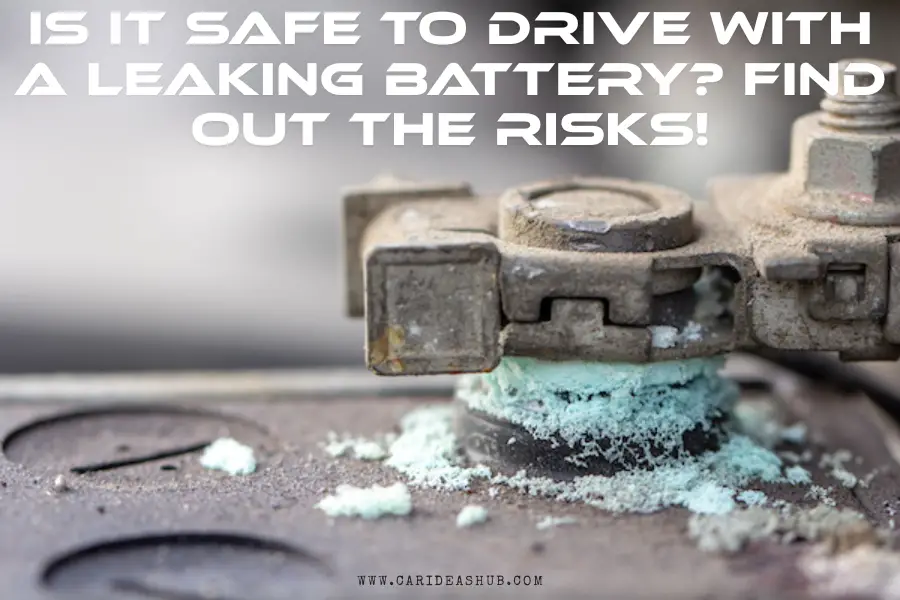
Driving with a leaking battery is not safe. It can lead to acid leaks, electrical malfunctions, and even fires.
A leaking battery poses a serious risk to both the vehicle and the driver. The acidic solution inside the battery can corrode surrounding components, leading to electrical malfunctions or even fires. Additionally, exposure to the leaked acid can pose health hazards to anyone coming into contact with it.
Therefore, it is crucial to address any battery leaks promptly to ensure the safety of the vehicle and its occupants. Understanding the potential dangers of driving with a leaking battery is essential in making informed decisions about vehicle maintenance and safety. It is imperative to address any battery issues promptly to avoid potential hazards and maintain safe driving conditions.
Is It Safe to Drive With a Leaking Battery? What Every Driver Should Know
A car battery is essential for starting your vehicle and powering electrical systems, but what happens when that battery starts leaking? Many drivers notice white powder, wet spots, or a strange smell around the battery and wonder: Is it safe to drive with a leaking battery?
The short answer is no—it’s not safe, but the reasons why are important to understand. In this detailed guide, we’ll explain what a leaking car battery means, why it happens, the risks involved, how to fix it, Is It Safe to Drive With a Leaking Battery and what drivers in the United States should do next.
What Does a Leaking Car Battery Mean?
A leaking battery usually means that battery acid (electrolyte) is escaping from the battery case or vents. Most car batteries are lead-acid batteries, which contain sulfuric acid mixed with water.
Signs of a leaking battery include:
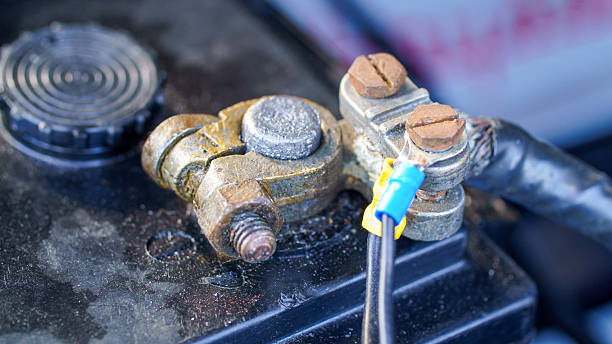
- White, blue, or green powder on battery terminals
- Wet spots or corrosion around the battery
- Strong rotten-egg or sulfur smell
- Swollen or cracked battery case
- Difficulty starting the car
If you notice any of these signs, your battery needs immediate attention.
Is It Safe to Drive With a Leaking Battery?
Short Answer: No
Driving with a leaking battery is unsafe for several reasons:
- Battery acid is corrosive and can damage your car
- Acid fumes are harmful to breathe
- Electrical failure can leave you stranded
- Fire risk increases if acid contacts metal components
Even if the car still starts, continuing to drive puts you and your vehicle at risk.
Why Do Car Batteries Leak?
Understanding why batteries leak helps prevent future problems.
1. Overcharging
When a battery is overcharged, internal pressure builds up, forcing acid out through vents or cracks.
2. Extreme Temperatures
Hot summers and freezing winters in many parts of the USA can cause battery cases to expand and crack.
3. Old or Worn-Out Battery
Most car batteries last 3–5 years. As they age, internal plates degrade, increasing leak risk.
4. Physical Damage
Road vibrations, poor installation, or accidents can crack the battery casing.
5. Poor Maintenance
Corroded terminals and loose connections can lead to overheating and leakage.
Types of Battery Leaks You Might See
Not all leaks look the same.
Liquid Acid Leak
Clear or yellowish fluid near the battery—this is dangerous sulfuric acid.
White Powdery Residue
Often mistaken for dirt, this is dried battery acid and corrosion.
Gas or Fume Leakage
Strong sulfur smell indicates gas escaping, which is hazardous.
All types of leaks are serious and should not be ignored.
Dangers of Driving With a Leaking Battery
1. Damage to Your Vehicle
Battery acid can corrode:
- Battery tray
- Wiring
- Engine components
- Metal surfaces under the hood
Repairs can become expensive quickly.
2. Health Risks
Sulfuric acid can cause:
- Skin burns
- Eye damage
- Respiratory irritation
Inhaling battery fumes inside a closed garage or vehicle is especially dangerous.
3. Electrical Failure
A leaking battery may fail suddenly, causing:
- Car won’t start
- Dashboard warning lights
- Loss of power to electronics
This can happen while driving.
4. Fire or Explosion Risk
Although rare, hydrogen gas buildup from a leaking battery can ignite, especially if there’s a spark.
Can You Drive a Short Distance With a Leaking Battery?
In emergencies, some drivers consider driving a short distance to a repair shop. While not recommended, if you must:
- Avoid long trips
- Do not touch the battery
- Keep windows slightly open if there’s a smell
- Drive directly to a mechanic or auto parts store
If the battery is actively leaking liquid, do not drive at all—have the car towed.
How to Check If Your Battery Is Leaking
Follow these safety steps:
- Turn off the engine
- Wear gloves and eye protection
- Open the hood
- Inspect the battery for:
- Cracks
- Wet areas
- Corrosion buildup
- Smell cautiously (do not inhale deeply)
If unsure, assume it’s unsafe.
How to Fix a Leaking Car Battery
Temporary Fixes (Not Long-Term)
- Cleaning corrosion with baking soda and water (only if no active leak)
- Tightening loose terminals
These do NOT stop internal leaks.
Permanent Solution: Replace the Battery
A leaking battery cannot be safely repaired. Replacement is the only reliable solution.
Battery Replacement Cost in the USA:
| Battery Type | Average Cost |
|---|---|
| Standard Car Battery | $100–$200 |
| AGM Battery | $150–$300 |
| Installation (optional) | $20–$50 |
Many auto parts stores install batteries for free.
Where to Replace a Leaking Battery in the USA
Common places include:
- AutoZone
- Advance Auto Parts
- O’Reilly Auto Parts
- Walmart Auto Care Center
- Local mechanic shops
- Dealership service centers
Most stores also recycle old batteries safely.
How to Prevent Battery Leaks in the Future
Replace Batteries on Time
Don’t wait past the 5-year mark.
Secure the Battery Properly
Ensure it’s tightly mounted to prevent vibration damage.
Avoid Overcharging
Make sure your alternator is working correctly.
Clean Terminals Regularly
Remove corrosion early to prevent heat buildup.
Protect From Extreme Temperatures
Use battery insulation in very hot or cold climates.
Environmental Impact of Leaking Batteries
Battery acid is harmful to the environment. Improper disposal can contaminate:
- Soil
- Water sources
- Wildlife habitats
In the USA, recycling car batteries is legally encouraged and often required.
Common Myths About Leaking Car Batteries
“It’s just corrosion, not a leak”
Corrosion often means acid exposure—still dangerous.
“I can tape or seal the battery”
Battery cases cannot be safely sealed.
“The car still runs, so it’s fine”
Battery failure can happen suddenly without warning.
Frequently Asked Questions (FAQ)
Can a leaking battery damage my alternator?
Yes, acid corrosion can damage wiring and alternator components.
Is a leaking battery an emergency?
Yes, it should be addressed immediately.
Can I clean battery acid myself?
Only minor corrosion—never clean active liquid leaks.
Will insurance cover battery damage?
Usually no, as batteries are wear-and-tear items.
When Should You Tow Your Car Instead of Driving?
Call for a tow if:
- Battery is visibly cracked
- Liquid acid is dripping
- Strong sulfur smell inside the car
- Engine won’t start reliably
Towing is safer than risking further damage.
Conclusion
So, is it safe to drive with a leaking battery?
No—it’s unsafe and potentially dangerous.
A leaking car battery can:
- Damage your vehicle
- Harm your health
- Cause sudden breakdowns
- Increase fire risk
The smartest move is to replace the battery immediately and recycle the old one properly. In the long run, quick action saves money, protects your car, and keeps you safe on the road.
Frequently Asked Questions Of Is It Safe To Drive With A Leaking Battery
Is Driving With A Leaking Battery Dangerous?
Driving with a leaking battery can be dangerous. The leaking acid can cause damage to your car’s components and can even be harmful if it comes into contact with your skin. It’s important to address the issue promptly to prevent further damage or potential injury.
What Causes A Battery To Leak?
Batteries can leak due to various reasons, such as age, damage, or overcharging. Over time, the battery’s internal components can corrode, leading to leakage. Extreme temperatures and vibrations can also contribute to battery leakage. Regular maintenance and inspections can help identify potential issues before they become larger problems.
How Do I Know If My Battery Is Leaking?
You can check for battery leakage by inspecting the battery casing. If you notice any corrosion around the terminals or any signs of fluid seeping out, it’s an indication of a leaking battery. Additionally, a rotten egg smell or a hissing sound coming from the battery area can also point to a leak.
Can I Continue To Drive With A Leaking Battery?
It is not recommended to continue driving with a leaking battery. The leak can cause damage to other components of your car, and the acid can be dangerous if it comes into contact with your skin or eyes. It’s best to address the issue promptly and have the battery replaced or repaired.
Conclusion
Driving with a leaking battery is not safe and should be avoided. A leaking battery can cause electrical malfunctions, corrosion of components, and potential acid spills, posing a risk to both the driver and the vehicle. It is important to address battery leaks promptly and have the battery repaired or replaced by a professional to ensure the safety and functionality of your vehicle on the road.