
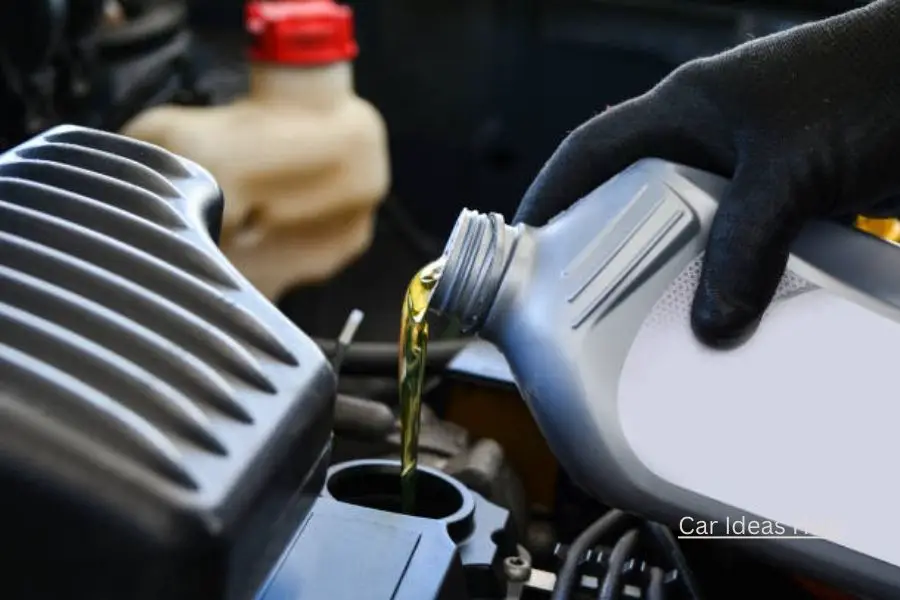
An engine oil change is one of the most important things you can do to keep your car running well. It is simple, relatively inexpensive, and directly affects how long your engine will last. Despite this, many drivers are unsure about when to change engine oil, what type to use, and whether quick service shops or dealerships are the better option.
This guide explains engine oil changes in clear, practical terms. It is written for US drivers who want reliable information without sales pressure. You will learn how engine oil works, when to change it, how to choose the right oil, what it should cost, and how to avoid common mistakes that shorten engine life.
What Engine Oil Does Inside Your Car
Engine oil has several critical jobs. Every time you start your car, oil begins circulating through the engine to protect moving parts.
First, oil lubricates metal components such as pistons, crankshafts, and camshafts. These parts move thousands of times per minute. Without proper lubrication, friction would quickly destroy them.
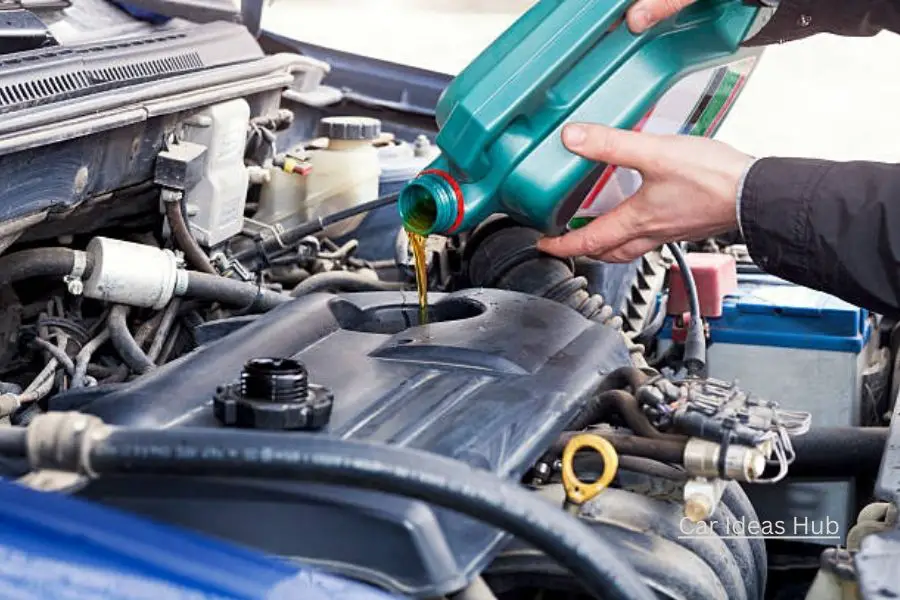
Second, oil helps manage heat. Combustion creates extreme temperatures, and oil absorbs and carries heat away from sensitive components.
Third, oil cleans the engine. It traps dirt, metal particles, and combustion byproducts, keeping them suspended until the oil filter removes them.
Finally, oil helps seal the combustion chamber. It fills small gaps between piston rings and cylinder walls, improving efficiency and power.
Why Regular Engine Oil Changes Matter
Over time, engine oil breaks down. Heat, contamination, and oxidation reduce its ability to protect the engine.
Regular engine oil changes help:
- Reduce internal engine wear
- Prevent sludge buildup
- Maintain fuel efficiency
- Improve engine performance
- Extend engine lifespan
Skipping oil changes may save money short term, but it often leads to expensive repairs later.
How Often Should You Change Engine Oil
Oil change intervals depend on oil type, engine design, and driving habits.
General guidelines for most vehicles in the US:
- Conventional oil: every 3,000 to 5,000 miles
- Synthetic blend oil: every 5,000 to 7,500 miles
- Full synthetic oil: every 7,500 to 10,000 miles
If you drive in heavy traffic, take frequent short trips, tow loads, or live in extreme climates, you may need to change oil more often. Always follow the recommendation in your owner manual.
Understanding Engine Oil Types
Conventional Engine Oil
Conventional oil is refined from crude oil. It works well for older vehicles with basic engine designs but requires more frequent changes.
Synthetic Blend Engine Oil
Synthetic blend oil combines conventional oil with synthetic additives. It offers better protection and longer service intervals at a moderate cost.
Full Synthetic Engine Oil
Full synthetic oil is engineered for modern engines. It resists breakdown, handles extreme temperatures, and provides the highest level of protection.
Most newer cars sold in the US are designed to use full synthetic oil.
Engine Oil Viscosity Explained
Viscosity refers to how thick or thin oil is. You will see it listed as numbers such as 5W-30 or 0W-20.
The first number describes how the oil flows in cold temperatures. Lower numbers flow more easily during cold starts.
The second number represents thickness at normal engine operating temperature. Using the correct viscosity ensures proper lubrication and fuel economy.
The recommended viscosity is listed on the oil cap or in the owner manual.
What Happens During an Engine Oil Change
A standard engine oil change service includes:
- Draining the old oil
- Replacing the oil filter
- Installing fresh engine oil
- Checking fluid levels
- Resetting the oil life monitoring system
- Performing a basic vehicle inspection
Some shops also check tire pressure, lights, and battery condition.
Engine Oil Change Warning Lights
Oil Life or Maintenance Light
This light is based on mileage and driving conditions. It is a reminder that an oil change is due.
Oil Pressure Warning Light
This light indicates low oil pressure. If it comes on while driving, stop the engine immediately. Continuing to drive can cause severe engine damage.
Understanding the difference between these lights is critical.

How Much Does an Engine Oil Change Cost
Engine oil change costs vary by oil type, vehicle size, and location.
Average US prices:
- Conventional oil: $40 to $60
- Synthetic blend oil: $50 to $80
- Full synthetic oil: $70 to $120
Vehicles with large engines, turbochargers, or special oil requirements may cost more.
Are Engine Oil Change Coupons Worth Using
Oil change coupons are common and can help reduce routine maintenance costs.
They work best for:
- Standard oil types
- Regular service intervals
- High volume service centers
Always read the details to understand oil type limits and additional charges.
DIY Engine Oil Change vs Professional Service
Changing engine oil yourself can save money, but it requires proper tools, time, and safe disposal of used oil.
Professional oil change services offer:
- Convenience
- Trained technicians
- Inspection benefits
- Service records
For many drivers, professional service is worth the added cost.
Common Engine Oil Change Mistakes
Avoid these common errors:
- Waiting too long between oil changes
- Using the wrong oil viscosity
- Reusing old oil filters
- Ignoring oil pressure warnings
These mistakes significantly shorten engine life.
High Mileage Engine Oil
High mileage oil is designed for vehicles with more than 75,000 miles.
It contains additives that help condition seals, reduce oil consumption, and minimize leaks. It can be a good choice for older engines that are still in good condition.
How Driving Conditions Affect Engine Oil
Driving habits play a major role in oil life.
Short trips, stop and go traffic, towing, and extreme heat or cold cause oil to degrade faster. Highway driving at steady speeds is easier on oil.
Adjust oil change intervals based on how you actually drive.
Engine Oil and Fuel Economy
Clean engine oil reduces friction, allowing the engine to operate more efficiently. Using the correct oil type and viscosity can slightly improve fuel economy over time.
This results in lower fuel costs and reduced emissions.
Environmental Responsibility and Used Oil
Used engine oil must be recycled properly. Most auto parts stores and service centers in the US accept used oil at no charge.
Never dispose of oil in drains, soil, or household trash.
Engine Oil Change Tips for New Drivers
If you are new to car ownership:
- Learn your required oil type
- Check oil level monthly
- Track oil changes by mileage and date
- Keep service receipts
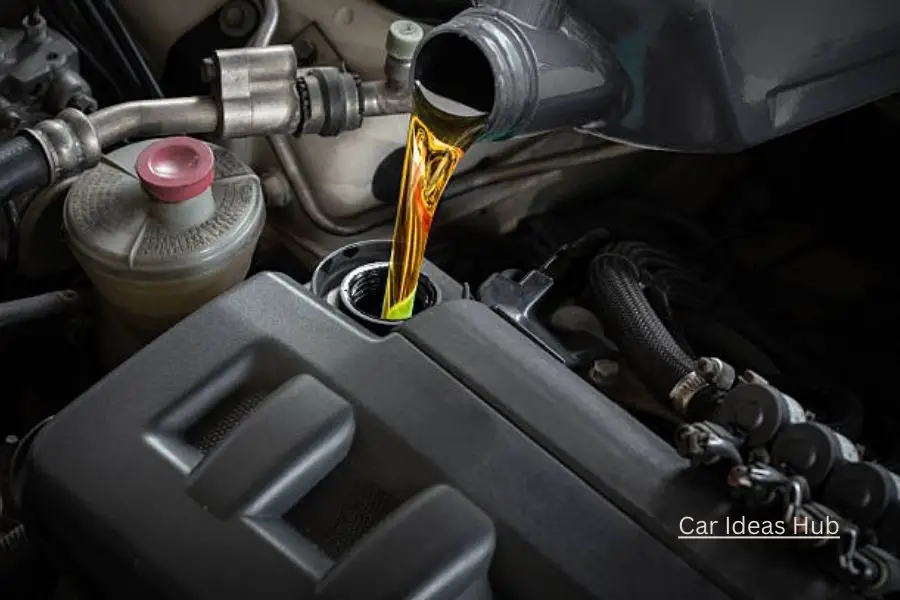
These habits help prevent costly engine problems.
Frequently Asked Questions
Can I change engine oil once a year
Even if you drive very little, oil degrades over time. Most vehicles should have oil changed at least once a year.
Does engine oil color indicate condition
Oil naturally darkens as it works. Color alone does not determine oil quality.
Can I switch to synthetic engine oil
Yes. Most engines can safely switch from conventional to synthetic oil without issues.
Final Thoughts
An engine oil change is simple maintenance with a major impact. Changing oil on time, using the correct type, and paying attention to warning signs protects one of the most expensive parts of your vehicle.
Treat engine oil changes as essential care, not an inconvenience. Consistent maintenance keeps your engine reliable, efficient, and running strong for years.