

The check engine light is one of the most misunderstood warning lights on a car dashboard. Sometimes it comes on and nothing feels wrong. Other times the car runs rough, uses more fuel, or feels unsafe to drive. Many drivers ignore it because the car still works. Others panic because they assume the worst.
The truth sits somewhere in the middle. A check engine light is your car asking for attention. The reason could be minor or serious, but the only way to know is by checking the diagnostic trouble codes stored in the vehicle’s computer.
This guide explains what check engine light codes are, how they work, how to read them, what common codes mean, and what steps to take next. It is written for everyday drivers in the United States and applies to most vehicles made after 1996.Check Engine Light Codes
What Is the Check Engine Light?
The check engine light, sometimes labeled as Service Engine Soon, is part of your car’s onboard diagnostics system. The system constantly monitors engine performance, emissions, and related components.
When the computer detects a problem that falls outside normal limits, it turns on the check engine light and stores a diagnostic trouble code. That code points to the system or component where the issue was detected.
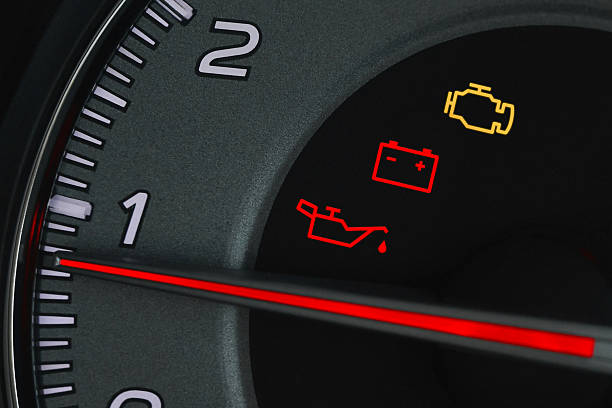
The light does not tell you exactly what part is bad. It tells you where to start looking.
Solid Light vs Flashing Light
How the light behaves matters.Check Engine Light Codes
A solid check engine light usually means a non urgent issue. The car can often be driven, but the problem should be checked soon.
A flashing check engine light means a serious problem, most often a misfire that could damage the catalytic converter. In this case, driving should be limited and the car should be inspected as soon as possible.
If the light is flashing, it is not something to ignore.
What Are Check Engine Light Codes?
Check engine light codes are also called OBD II codes. OBD stands for onboard diagnostics.
Each code starts with a letter followed by four numbers. For example, P0301.
The letter tells you which system is affected:
- P means powertrain, which includes engine and transmission
- B means body
- C means chassis
- U means network or communication
Most check engine light codes are P codes.
Understanding the Structure of a Code
Let’s break down a typical code.
Example: P0171
- P indicates a powertrain issue
- The first digit shows whether the code is generic or manufacturer specific
- The remaining digits identify the specific fault
You do not need to memorize codes, but understanding the structure helps you make sense of scan results.
How to Check Engine Light Codes
Using an OBD II Scanner
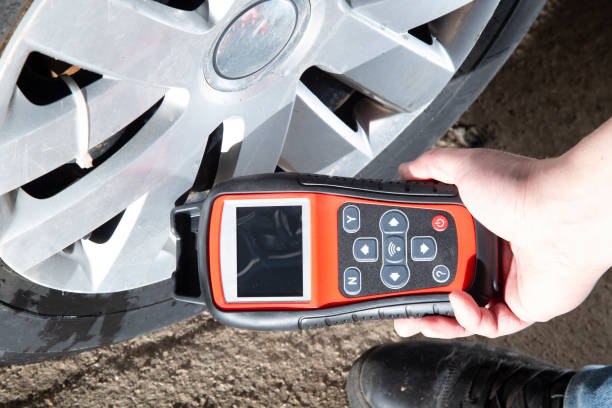
The most common way to read codes is with an OBD II scanner.
All vehicles sold in the United States since 1996 have an OBD II port, usually located under the dashboard near the steering wheel.
Steps:
- Plug the scanner into the port
- Turn the ignition on
- Follow the scanner instructions to read codes
- Write down the codes exactly as shown
Basic scanners are inexpensive and easy to use. Many auto parts stores will also read codes for free.
Using a Smartphone App
Some scanners connect to your phone using Bluetooth. These work with apps that display codes and explanations.
They are useful, but remember that app explanations are general. They do not replace proper diagnosis.
What a Code Can and Cannot Tell You
A code tells you where the computer noticed a problem. It does not always tell you why the problem happened.Check Engine Light Codes
For example, a code for a lean fuel condition could be caused by:
- A vacuum leak
- A dirty mass airflow sensor
- A weak fuel pump
- A failing oxygen sensor
The code points you to the system, not the exact part.
Common Check Engine Light Codes and What They Mean
P0171 and P0174: System Too Lean
These codes mean the engine is getting too much air or not enough fuel.Check Engine Light Codes
Common causes:
- Vacuum leaks
- Dirty or faulty mass airflow sensor
- Weak fuel pump
- Clogged fuel injectors
Symptoms may include rough idle, hesitation, or reduced power.
P0300 to P0308: Engine Misfire Codes
These codes indicate misfires.
- P0300 means random misfires
- P0301 to P0308 identify misfires in specific cylinders
Common causes:
- Worn spark plugs
- Bad ignition coils
- Fuel injector issues
- Vacuum leaks
- Low compression
Misfires should not be ignored, especially if the light is flashing.
P0420 and P0430: Catalyst Efficiency Below Threshold
These codes relate to the catalytic converter.
Common causes:
- Failing catalytic converter
- Faulty oxygen sensors
- Exhaust leaks
- Long term misfires or fuel problems
These codes often appear after other issues have been present for some time.
P0100 to P0104: Mass Airflow Sensor Issues
These codes involve the mass airflow sensor, which measures incoming air.
Common causes:
- Dirty sensor
- Faulty wiring
- Intake leaks
Cleaning the sensor sometimes resolves the issue
P0110 to P0114: Intake Air Temperature Sensor
These codes indicate problems measuring air temperature.
They may cause poor fuel economy or rough running.
P0120 to P0124: Throttle Position Sensor Issues
These codes involve the throttle position sensor.
Symptoms may include hesitation, poor acceleration, or stalling.
P0130 to P0161: Oxygen Sensor Codes
Oxygen sensors measure exhaust oxygen levels.
Common causes:
- Sensor failure
- Wiring issues
- Exhaust leaks
Failed oxygen sensors can reduce fuel economy and increase emissions.
P0440 to P0457: EVAP System Codes
These codes relate to the evaporative emissions system.
Common causes:
- Loose or damaged gas cap
- EVAP leaks
- Faulty purge or vent valves
A loose gas cap is one of the most common and simplest fixes.
Why the Check Engine Light Comes Back After Clearing Codes
Clearing codes does not fix the problem. It only resets the warning.
If the issue still exists, the computer will detect it again and turn the light back on. Sometimes this happens immediately. Other times it takes several drive cycles.
Clearing codes can help confirm a repair, but it should not be used as a solution.
Can You Drive With the Check Engine Light On?
It depends on the situation.
You can usually drive short distances if:
- The light is solid
- The car feels normal
- No warning messages appear
You should limit driving or stop driving if:
- The light is flashing
- The engine is shaking or misfiring
- Power is reduced
- You smell fuel or burning
When in doubt, have the vehicle checked.
How Mechanics Use Codes
Professional technicians do not replace parts based on codes alone.
They use codes as a starting point, then:
- Check live data
- Inspect wiring and connectors
- Perform tests
- Verify the root cause
This is why guessing based on codes can lead to wasted money
Why Auto Parts Store Readings Are Limited
Free code scans are helpful, but they have limits.
They usually:
- Read basic codes
- Provide generic explanations
- Do not diagnose the problem
They are best used for information, not final decisions.
Preventing Check Engine Light Problems
While not all issues are preventable, regular maintenance helps.
Good habits include:
- Replacing spark plugs on schedule
- Keeping the air filter clean
- Using quality fuel
- Tightening the gas cap properly
- Fixing small issues early
Ignoring minor symptoms often leads to bigger problems later.
Emissions Testing and the Check Engine Light
In many US states, a vehicle will fail emissions testing if the check engine light is on.
Even if the car runs fine, an active code usually means an automatic failure.
Clearing the light right before testing often fails because readiness monitors are not set.
When to See a Professional
You should consult a mechanic if:
- The same code keeps returning
- Multiple codes appear
- The car runs poorly
- The light is flashing
- You are unsure how to proceed
Modern vehicles rely heavily on sensors and control modules. Some issues require specialized tools and experience.
Final Thoughts
Check engine light codes are not something to fear, but they should not be ignored. They are your car’s way of telling you something is off. Sometimes the fix is simple. Other times it requires careful diagnosis.
Understanding what codes mean and how to approach them puts you in control. It helps you make better decisions, avoid unnecessary.