
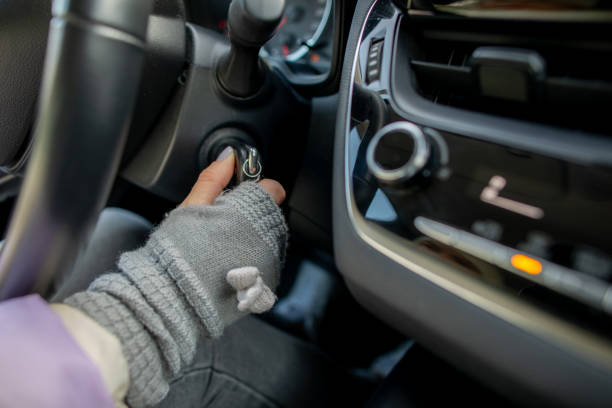
Few car problems are more frustrating than turning the key or pressing the start button and getting nothing in return. No crank, no start, or a weak clicking sound can instantly disrupt your day. Car starting system problems are among the most common issues faced by drivers across the United States, Car Starting Problems especially as vehicles age or weather conditions change.
This complete guide explains how the car starting system works, why it fails, common symptoms to watch for, how much repairs typically cost in the USA, and what steps you can take to diagnose or prevent these problems. Whether your car will not start at all or struggles to turn over, this article will help you understand what is happening and what to do next.
What Is the Car Starting System?
The starting system is responsible for bringing your engine to life. Its only job is to crank the engine fast enough so it can begin running on its own.
Once the engine starts, the starting system disengages and the charging system takes over.
Main Components of the Starting System
- Battery
- Starter motor
- Starter solenoid
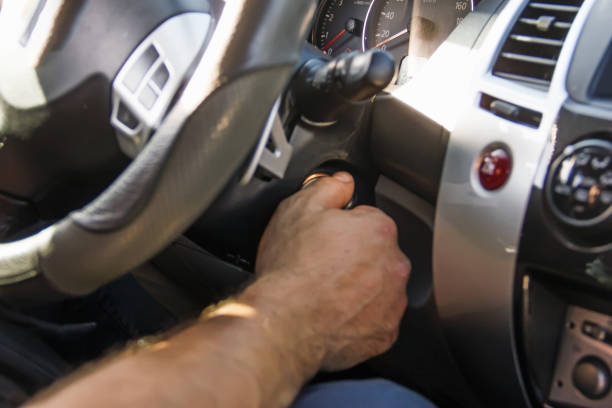
- Ignition switch or start button
- Wiring and ground connections
- Neutral safety switch or clutch safety switch
All of these parts must work together. If even one fails, your car may not start.
How the Car Starting System Works
Understanding the basic process helps pinpoint where things go wrong.
- You turn the key or press the start button
- The ignition switch sends a signal
- The battery supplies electrical power
- The starter solenoid engages
- The starter motor turns the engine
- The engine starts and runs independently
Any interruption in this chain can cause starting problems.
Common Signs of Car Starting System Problems
Starting issues often give warning signs before total failure.
Clicking Sound When Turning the Key
A single click or rapid clicking usually points to a weak battery, corroded connections, or a failing starter solenoid.
Engine Cranks Slowly
If the engine turns over slowly, the battery may be weak, or the starter motor may be wearing out.
No Sound at All
Silence often indicates a dead battery, faulty ignition switch, bad starter relay, or wiring issue.
Dashboard Lights Come On but Engine Will Not Start
This suggests the battery has some power, but the starter system is not engaging properly.
Intermittent Starting Problems
If the car starts sometimes and not others, electrical connections, starter solenoid contacts, or ignition switch wear are common causes.
Most Common Causes of Car Starting System Problems
Weak or Dead Battery
The battery is the most frequent cause of starting issues.
Common reasons batteries fail include:
- Age over three to five years
- Extreme heat or cold
- Leaving lights or accessories on
- Corroded terminals
A weak battery may power lights but not the starter motor
Corroded or Loose Battery Connections
Even a healthy battery cannot deliver power if the connections are poor.
Symptoms include:
- Clicking noises
- Flickering lights
- Intermittent starting
Cleaning and tightening battery terminals often solves the problem.
Failing Starter Motor
The starter motor physically turns the engine. Over time, internal components wear out.
Signs of a failing starter include:
- Grinding noise
- Engine will not crank
- Starter works only after multiple attempts
Starter motors usually fail gradually.
Bad Starter Solenoid
The solenoid acts as a relay between the battery and starter motor. When it fails, power does not reach the starter.
Symptoms include:
- Clicking with no cranking
- No response when turning the key
In many vehicles, the solenoid is mounted directly on the starter.
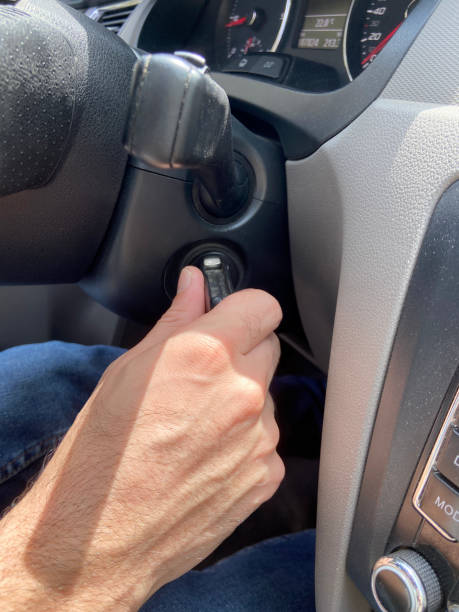
Faulty Ignition Switch
The ignition switch sends the signal to start the engine. Wear and tear inside the switch can interrupt that signal.
Signs include:
- No response when turning the key
- Car stalls unexpectedly
- Electrical accessories not working
Push-button start vehicles can experience similar issues with start modules.
Neutral Safety Switch or Clutch Safety Switch Failure
Automatic vehicles have a neutral safety switch that prevents starting unless the transmission is in Park or Neutral.
Manual vehicles use a clutch safety switch that requires the clutch pedal to be pressed.
Failure symptoms include:
- No start in Park
- Car starts only in Neutral
- No start unless clutch pedal is pushed unusually hard
Blown Fuse or Bad Starter Relay
A blown fuse or faulty relay can interrupt power to the starter system.
This is one of the easiest and least expensive issues to fix.
Ground Cable or Wiring Problems
The starter system relies on solid ground connections. Loose or corroded ground cables can cause complete starting failure.
Rodent damage is also a growing cause of wiring issues in the USA.
Car Starting Problems by Symptom
Car Will Not Start, No Clicking
Likely causes:
- Dead battery
- Bad ignition switch
- Blown fuse
- Faulty relay
Car Clicks but Does Not Start
Likely causes:
- Weak battery
- Bad solenoid
- Loose battery cables
Car Cranks but Will Not Start
This usually indicates a fuel or ignition issue, not a starting system problem. The starter system is doing its job.
Is It Safe to Drive With Starting System Problems?
If your car starts inconsistently, it is only a matter of time before it does not start at all.
Driving with a failing starter system can leave you stranded in unsafe locations or during extreme weather. Addressing the issue early is always the safer choice.
What to Do When Your Car Will Not Start
Step 1: Check the Battery
Look for:
- Corrosion
- Loose terminals
- Battery age
Try jump-starting the car.
Step 2: Listen for Sounds
Clicking, grinding, or silence provides clues.
Step 3: Try Starting in Neutral
If it starts in Neutral but not Park, the neutral safety switch may be failing.
Step 4: Check Fuses and Relays
Consult your owner’s manual for starter-related fuses.
Step 5: Get a Professional Diagnosis
If basic checks fail, a mechanic can test the starter, solenoid, and ignition switch.
Professional Diagnosis of Starting System Problems
A proper diagnosis may include:
- Battery load testing
- Starter current draw testing
- Voltage drop testing
- Ignition switch signal testing
Accurate testing prevents unnecessary part replacement.
Average Starting System Repair Costs in the USA
Costs vary by vehicle and location.
Typical Repair Cost Ranges
- Battery replacement: $100 to $300
- Starter motor replacement: $300 to $800
- Starter solenoid: $150 to $400
- Ignition switch: $200 to $600
- Battery cable repair: $100 to $250
- Starter relay or fuse: $20 to $100
Labor costs are higher for vehicles with hard-to-reach starters.
Can You Fix Starting System Problems Yourself?
Some fixes are DIY-friendly.
DIY-Friendly Repairs
- Battery replacement
- Cleaning battery terminals
- Replacing fuses or relays
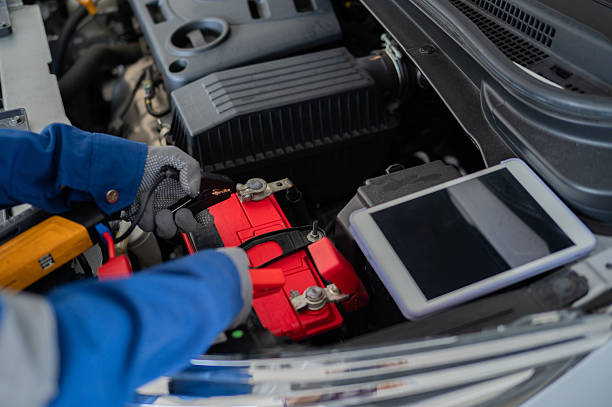
Repairs Best Left to Professionals
- Starter motor replacement on modern vehicles
- Ignition switch replacement
- Electrical diagnostics
Incorrect repairs can damage electrical systems.
Preventing Car Starting System Problems
Regular maintenance reduces starting issues.
Prevention Tips
- Replace batteries before failure
- Clean battery terminals annually
- Address warning signs early
- Avoid short trips that prevent full battery charging
- Inspect cables during oil changes
Cold weather preparedness is especially important in northern states.
Cold Weather and Starting System Failures
Winter places extra strain on batteries and starters.
Cold temperatures:
- Reduce battery output
- Increase engine resistance
- Expose weak electrical connections
If your battery is over three years old, winter is often when it fails.
Common Myths About Car Starting Problems
Myth 1: If Lights Work, the Battery Is Fine
False. Lights require far less power than the starter motor.
Myth 2: Starters Fail Suddenly Without Warning
False. Most starters show symptoms first.
Myth 3: Jump-Starting Fixes the Problem
False. Jump-starting is a temporary solution, not a repair.
Frequently Asked Questions
How long does a starter motor last?
Typically 100,000 to 150,000 miles, depending on usage. Car Starting Problems
Can a bad alternator cause starting problems?
Yes. A failing alternator can drain the battery.
Does push-button start change anything?
The system is similar, but faults may involve modules rather than keys.
Should I replace the battery or starter first?
Always test the battery before replacing the starter. Car Starting Problems
Final Thoughts
Car starting system problems are common, frustrating, and often preventable. Understanding how the system works and recognizing early warning signs can save time, money, and stress. While some issues are simple fixes, Car Starting Problems others require professional diagnosis to ensure reliability and safety.
If your car struggles to start, do not wait for complete failure. Addressing the issue early is always the smartest move.