
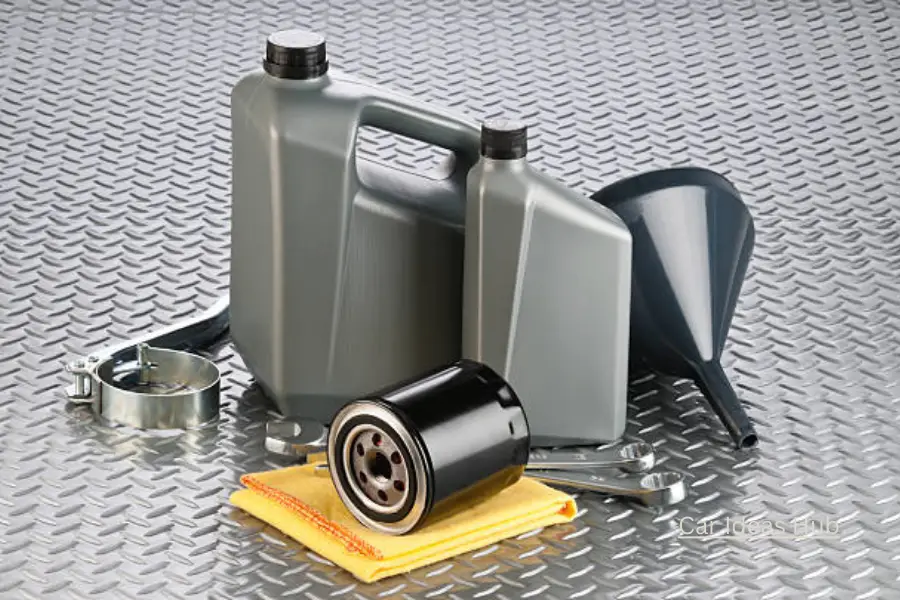
Car oil is one of the simplest things you can maintain on your vehicle, yet it is also one of the most important. The right oil keeps your engine running smoothly, protects expensive internal parts, and helps your car last longer. When oil is neglected or misunderstood, small problems turn into costly repairs.
This guide explains car oil in plain terms. It covers what oil does, how to choose the right type, how often to change it, common myths, and practical tips for US drivers who want their car to stay reliable.Car Oil
What Car Oil Actually Does
Engine oil has several jobs happening at the same time every time your car runs.
First, oil lubricates moving parts. Inside your engine, metal parts move at high speed and under high heat. Oil creates a thin protective layer so those parts do not grind against each other.
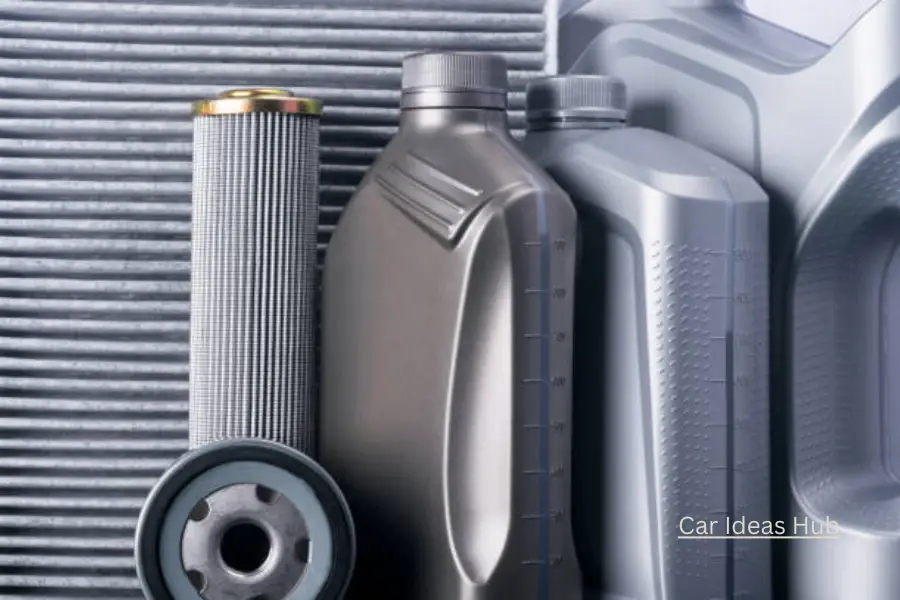
Second, oil helps control heat. While coolant handles most temperature regulation, oil absorbs and carries away heat from critical engine components.Car Oil
Third, oil cleans the engine. It collects dirt, metal particles, and combustion byproducts and holds them until the oil filter removes them.
Finally, oil helps seal the engine. It fills tiny gaps between piston rings and cylinder walls, improving compression and engine efficiency.
Why Oil Quality Matters
Not all car oil is the same. Quality matters because modern engines are built with tight tolerances. Cheap or incorrect oil can break down faster, lose viscosity, and fail to protect the engine under stress.Car Oil
Using the correct oil helps:
- Reduce engine wear
- Improve fuel economy
- Prevent sludge buildup
- Extend engine life
Following the manufacturer recommendation is always more important than chasing the cheapest option.
Understanding Oil Viscosity
Viscosity describes how thick or thin oil is. You will see this listed on the bottle as something like 5W-30 or 0W-20.
The first number with the W refers to cold temperature performance. Lower numbers flow better in cold weather.
The second number refers to thickness at normal engine operating temperature. Higher numbers provide thicker protection under heat.
For most drivers, the correct viscosity is listed:
- In the owner manual
- On the oil cap
- Under the hood
Using the wrong viscosity can lead to poor lubrication or reduced fuel efficiency.Car Oil
Types of Car Oil Explained
Conventional Oil
Conventional oil is refined from crude oil and works well for older vehicles with simple engine designs.
Pros:
- Lower cost
- Widely available
Cons:
- Shorter oil change intervals
- Less resistance to heat and breakdown
Synthetic Blend Oil
Synthetic blend oil mixes conventional oil with synthetic additives.
Pros:
- Better protection than conventional
- Affordable upgrade
Cons:
- Not as durable as full synthetic
Full Synthetic Oil
Full synthetic oil is engineered for maximum performance and protection.
Pros:
- Superior lubrication
- Better temperature stability
- Longer oil change intervals
Cons:
- Higher upfront cost
Most modern vehicles in the US are designed for full synthetic oil.Car Oil
How Often Should You Change Car Oil
Oil change intervals depend on several factors:
- Oil type
- Driving habits
- Vehicle age
- Manufacturer guidelines
General guidelines:
- Conventional oil: every 3,000 to 5,000 miles
- Synthetic blend: every 5,000 to 7,500 miles
- Full synthetic: every 7,500 to 10,000 miles
Short trips, heavy traffic, towing, and extreme temperatures may require more frequent changes.
Signs Your Car Needs an Oil Change
Do not rely on mileage alone. Watch for these signs:
- Oil change reminder light
- Dark or dirty oil
- Engine noise or ticking
- Rough idling
- Burning oil smell
Ignoring these symptoms can lead to engine damage.
Oil Change Light vs Check Engine Light
An oil change light is a maintenance reminder based on mileage or driving conditions. It does not mean something is broken.
A check engine light signals a fault detected by the vehicle computer. It may or may not be related to oil.
Never ignore either warning.
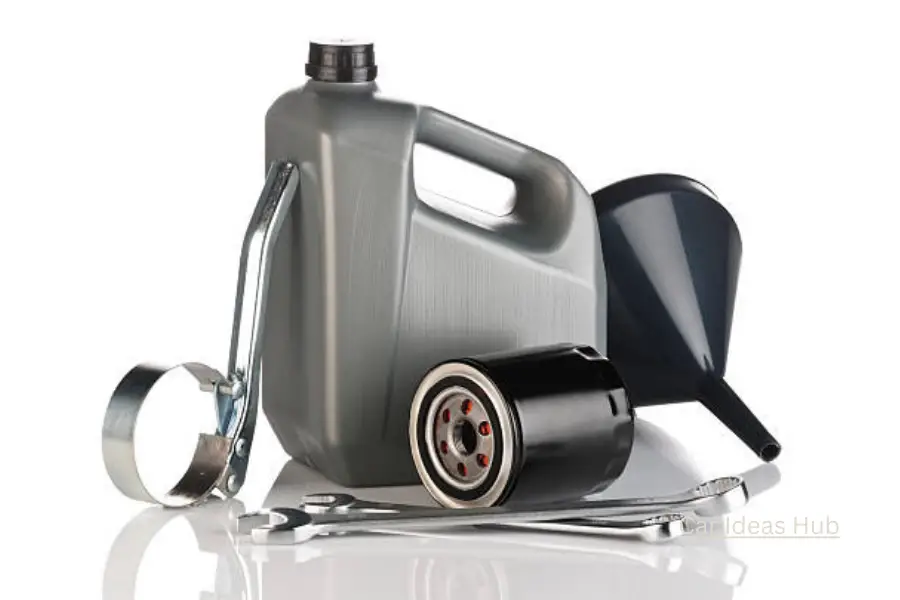
Choosing the Right Oil Filter
Oil filters are just as important as oil itself. A good filter removes contaminants and maintains proper oil flow.
When selecting a filter:
- Match your vehicle make and model
- Avoid the cheapest no name options
- Replace the filter with every oil change
A clogged or poor quality filter reduces oil pressure and protection.
Can You Switch Oil Types
Many drivers ask if they can switch from conventional to synthetic oil. In most cases, the answer is yes.
Modern engines can safely transition to synthetic oil without flushing. Synthetic oil often provides better protection for high mileage engines.
Always follow manufacturer recommendations and check for leaks after switching.
High Mileage Oil Explained
High mileage oil is designed for vehicles with over 75,000 miles.
It contains additives that:
- Condition seals
- Reduce oil consumption
- Minimize leaks
It is a good option for older cars that still run well.
DIY Oil Change vs Professional Service
Changing your own oil can save money, but it is not for everyone.
DIY pros:
- Lower cost
- Control over oil choice
DIY cons:
- Disposal of used oil
- Time and tools required
- Risk of mistakes
Professional service offers convenience and inspection benefits.
Common Car Oil Myths
Myth One: You Must Change Oil Every 3,000 Miles
This is outdated advice. Most modern vehicles can go much longer between changes.
Myth Two: Dark Oil Means It Is Bad
Oil darkens as it does its job. Color alone does not determine oil condition.
Myth Three: Synthetic Oil Causes Leaks
Synthetic oil does not cause leaks. It may reveal existing seal issues.
How Oil Affects Fuel Economy
Clean oil reduces friction, allowing the engine to run more efficiently. Using the correct viscosity can improve gas mileage by a small but meaningful amount.
Over time, proper oil maintenance saves fuel and reduces emissions.
Oil Storage and Shelf Life
Unused motor oil can last several years if:
- Stored sealed
- Kept away from extreme temperatures
- Protected from moisture
Once opened, use oil within a year.
Environmental Impact of Used Oil
Used oil must be recycled properly. Never dump it on the ground or in drains.
Most auto parts stores and service centers accept used oil for recycling at no cost.
Oil Maintenance Tips for New Drivers
If you are new to car ownership:
- Check oil monthly
- Keep service records
- Learn your oil type
- Do not ignore warning lights
These habits prevent costly mistakes.
Frequently Asked Questions
Can I mix different oil brands
Yes, as long as the oil meets the same specifications and viscosity.
Is thicker oil better for older engines
Not always. Use the viscosity recommended by the manufacturer unless advised otherwise.
Does oil expire inside the engine
Oil degrades over time even if you do not drive much. Annual oil changes are still recommended.
Final Thoughts
Car oil is not complicated, but it is critical. Choosing the right oil, changing it on time, and paying attention to warning signs protects one of the most expensive parts of your vehicle.
Think of oil as insurance for your engine. It costs little compared to repairs and keeps your car dependable for years to come.