
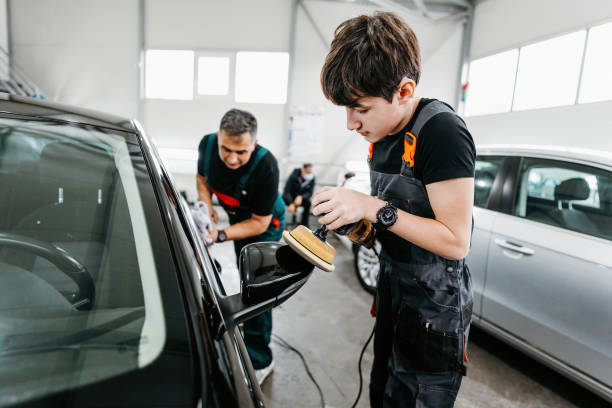
Auto detailing is no longer just a side hustle or a weekend job. In the United States, it has grown into a skilled trade with strong demand, loyal customers, and real earning potential. As vehicles get more expensive and owners become more protective of their investments, the need for trained detailers continues to rise.
If you are serious about learning the craft, auto detailing schools can give you a structured path that shortens the learning curve and helps you avoid costly mistakes. This guide explains what auto detailing schools actually teach, how to choose the right one, what certifications matter, and whether formal training is worth it compared to learning on your own.
This article is written for beginners, career switchers, and entrepreneurs who want clear answers without sales language or exaggeration.
What Is an Auto Detailing School?
An auto detailing school is a training program that teaches the technical, practical, and business aspects of professional car detailing. These schools focus on hands-on instruction rather than theory alone.
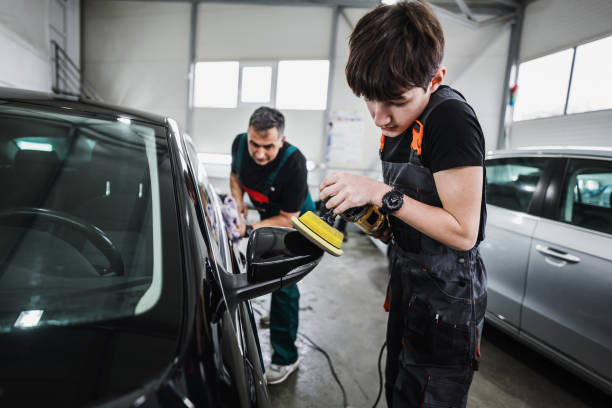
Most programs cover:
- Exterior washing and decontamination
- Paint correction and polishing
- Ceramic coatings and paint protection
- Interior cleaning and stain removal
- Engine bay detailing
- Tools, chemicals, and equipment safety
- Customer service and pricing
- Business setup for mobile or shop-based detailing
Some schools operate as standalone training centers. Others are run by detailing product manufacturers or experienced shop owners. Programs range from one-day workshops to multi-week courses.
Why Auto Detailing Schools Are Gaining Popularity in the USA
The growth of detailing schools is tied to several trends in the American auto market.
First, vehicle prices have increased significantly over the past decade. People keep cars longer and invest more in maintenance and appearance.
Second, ceramic coatings and advanced paint correction have raised the skill level required to do professional work. These services are not forgiving. Mistakes can permanently damage paint.
Third, many detailers now operate as small business owners. Schools increasingly teach marketing, scheduling, insurance, and customer communication.
Finally, social media has made detailing more visible. While videos make the work look easy, real-world results require proper training.
Who Should Consider Attending an Auto Detailing School?
Auto detailing schools are not just for beginners. They can benefit several types of people.
Complete Beginners
If you have never detailed a car professionally, a school gives you structure. Instead of guessing which products work or learning through trial and error, you get proven processes from day one.
DIY Detailers Looking to Go Pro
Many hobbyists wash and detail their own vehicles but struggle when working on customer cars. Schools teach efficiency, consistency, and professional standards.
Business Owners
If you already detail but want to raise your prices or expand services, advanced training can help. Many schools offer courses focused on ceramic coatings, high-end vehicles, or shop management.
Career Changers
Detailing attracts people leaving office jobs, construction, retail, or the military. Training programs provide a smoother transition into a hands-on trade.
What You Learn at a Quality Auto Detailing School
Not all schools teach the same material, but strong programs cover both technique and judgment. Below are the core areas you should expect.
Exterior Detailing Fundamentals
This includes safe washing methods, foam pre-soaks, two-bucket techniques, wheel and tire cleaning, and paint decontamination using clay bars or synthetic alternatives.
You also learn how to avoid swirl marks, water spotting, and clear coat damage.
Paint Correction and Polishing
Paint correction is one of the most valuable skills in detailing. Schools teach:
- Paint thickness measurement
- Machine polishing techniques
- Pad and compound selection
- One-step and multi-step corrections
- Working on different paint types
Hands-on practice is essential here. Watching videos is not enough.
Ceramic Coatings and Paint Protection
Many programs include ceramic coating application. You learn surface preparation, proper leveling, curing conditions, and aftercare instructions.
Some schools partner with coating manufacturers and provide certification for specific products.
Interior Detailing
Interior work requires patience and attention to detail. Training often covers:
- Fabric and leather cleaning
- Carpet extraction
- Odor removal
- Dashboard and trim protection
- Steam cleaning techniques
Good schools also teach how to work efficiently without cutting corners.
Tools, Chemicals, and Safety
Detailing involves strong chemicals and powerful machines. Schools explain:
- Proper dilution ratios
- Personal protective equipment
- Electrical safety
- Waste disposal and environmental considerations
This knowledge protects both you and your customers.
Business and Customer Skills
Many detailing schools now include business basics such as:
- Pricing services
- Estimating job time
- Customer intake and inspections
- Upselling ethically
- Online reviews and reputation management
These lessons matter just as much as technical skill.
Types of Auto Detailing Schools in the USA
Understanding the different formats helps you choose what fits your goals and schedule.
In-Person Training Centers
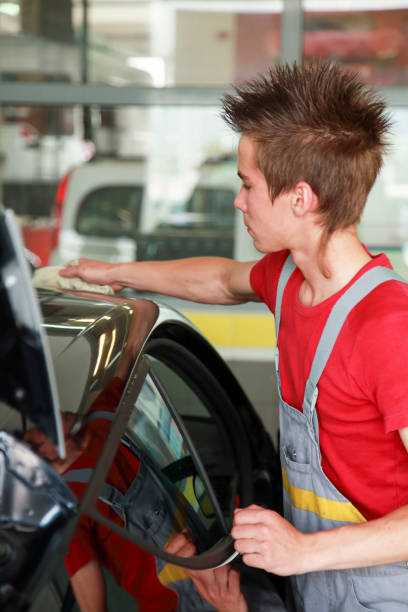
These offer the most hands-on experience. You work on real vehicles under instructor supervision. They are ideal if you learn best by doing.
The downside is travel cost and time away from work.
Manufacturer-Based Training
Some detailing product companies offer official training programs. These often focus on their own systems and coatings.
They can be valuable if you plan to use those products, but make sure the training is not overly limited to one brand.
Community College and Trade Programs
A few community colleges offer automotive appearance or reconditioning courses. These are less common but may include broader automotive knowledge.
Mobile Workshops and Seminars
Short workshops are good for skill refreshers or advanced techniques. They are not ideal for beginners who need structured instruction.
Are Online Auto Detailing Courses Worth It?
Online courses can be helpful, especially for theory, product knowledge, and business education. However, detailing is a physical skill. You need real feedback on pressure, angles, speed, and technique.
If you choose online training, pair it with practice on real vehicles. Online education works best as a supplement, not a replacement, for hands-on learning.
Certifications and Credentials: Do They Matter?
Unlike electricians or plumbers, detailers are not licensed by the state. Certifications are not legally required, but they can help build credibility.
Certifications are most useful when they:
- Are issued by respected training organizations
- Involve hands-on testing
- Are recognized by customers or insurers
Be cautious of programs that sell certificates without real training. Skill always matters more than paperwork.
How Much Do Auto Detailing Schools Cost?
Costs vary widely depending on length, location, and reputation.
- One-day workshops may cost a few hundred dollars
- Multi-day professional programs often range from $1,000 to $3,000
- Advanced or business-focused courses may cost more
When comparing prices, look at what is included. Quality schools provide tools, materials, vehicles, and post-training support.
Choosing the Right Auto Detailing School
Here are practical questions to ask before enrolling.
Is the Training Hands-On?
You should spend most of your time working on vehicles, not watching demonstrations.
Who Are the Instructors?
Look for instructors with real detailing and business experience, not just product knowledge.
How Many Students Per Class?
Smaller classes mean more personal feedback.
Does the School Offer Ongoing Support?
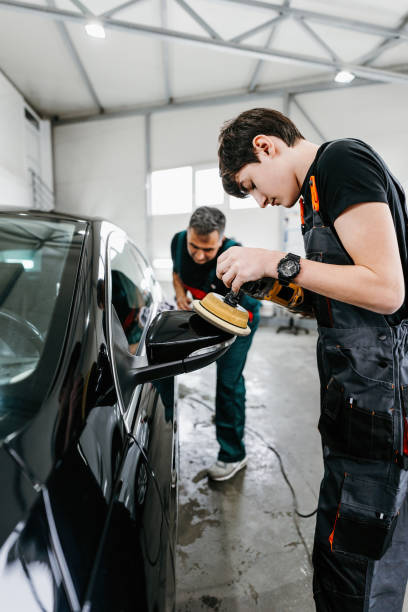
Good programs provide advice after graduation, not just during the course.
Are Reviews Consistent?
Look for detailed reviews that mention skill improvement, not just enthusiasm.
What Auto Detailing Schools Do Not Teach You
Even the best school cannot teach everything.
They will not instantly give you speed. That comes with repetition.
They will not guarantee customers. Marketing and reputation take time.
They will not replace real-world problem solving. Every vehicle is different.
Training gives you a strong foundation, not instant mastery.
Career Paths After Auto Detailing School
Graduates typically follow one of several paths.
Mobile Detailing Business
This is popular for beginners because startup costs are lower. Training helps you work efficiently in different environments.
Shop-Based Detailing
Some detailers rent space or join established shops. Advanced training is especially useful here.
Dealership or Reconditioning Work
Dealerships often hire trained detailers for volume work. Quality training helps you stand out.
Specialty Services
Paint correction, ceramic coatings, and luxury vehicle care command higher prices and require advanced skills.
Is Auto Detailing School Worth It?
For many people, yes.
If you value structure, expert feedback, and faster progress, formal training is worth the investment. It reduces mistakes, builds confidence, and shortens the path to professional results.
If you are disciplined, patient, and willing to learn slowly through practice, self-education is possible. But it often takes longer and costs more in errors.
Most successful detailers eventually invest in training at some point in their careers.
Final Thoughts
Auto detailing schools in the USA exist because this trade has become more skilled, more competitive, and more professional. Training is not about certificates or hype. It is about learning how to deliver consistent, high-quality results while protecting vehicles and building trust with customers.
If you choose the right school, approach the training seriously, and continue practicing after graduation, detailing can become a reliable and rewarding career.