

Choosing the right motor oil is one of the most important parts of keeping your car healthy. But with so many types—synthetic vs. conventional, 0W-20, 5W-30, 10W-40, high-mileage oils, and more—it can get confusing fast. What Kind of Oil Does My Car Take If you’ve ever asked “What kind of oil does my car take?”, you’re not alone!
In this guide, we’ll break down oil types, how to find the correct oil for your car, what the numbers mean, and the best oil brands trusted in the USA. What Kind of Oil Does My Car Take Whether you drive a Toyota Camry, Ford F-150, Honda Civic, Nissan Rogue, or any other vehicle—this article will help you choose the perfect motor oil with confidence.
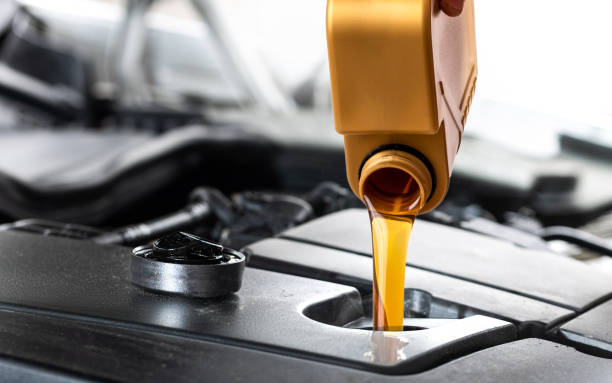
Why the Right Oil Type Matters
Motor oil is the lifeblood of your engine. The correct oil:
- Lubricates the engine parts
- Reduces heat and friction
- Improves fuel efficiency
- Prevents engine wear What Kind of Oil Does My Car Take
- Protects against sludge and corrosion
- Helps the engine last longer
Using the wrong oil can lead to engine noise, overheating, low performance, and expensive repairs.
How to Find the Correct Oil for Your Car
Here are the most accurate ways to determine what oil your vehicle needs: What Kind of Oil Does My Car Take
Check the Owner’s Manual
The manual always lists the recommended oil weight, type, and capacity.
Look at the Oil Filler Cap
Most vehicles print oil grade on the cap—for example:
SAE 5W-30
0W-20 Synthetic Oil
Use an Online Oil Finder
Major oil brands offer car lookup tools:
- Mobil 1 Oil Selector
- Valvoline Oil Selector
- Castrol Oil Finder
- Pennzoil Recommendation Tool
Just enter your car’s year, make, and model. Ask a Mechanic or Auto Parts Store
Shops like AutoZone, O’Reilly, Advance Auto Parts, and Walmart Auto Care can help instantly.
Understanding Oil Numbers (0W-20, 5W-30, etc.)
The numbers in oil weights represent viscosity, which means thickness.
Example: 5W-30
- 5W = how the oil flows in cold temperatures (Winter)
- 30 = how the oil performs when hot (engine running)
Lower numbers = better cold start performance.
Higher numbers = thicker oil for hot weather or older engines.
Different Types of Motor Oil
| Oil Type | Best For | Price Range | Benefits |
|---|---|---|---|
| Full Synthetic | New, high-performance cars | $$–$$$ | Best protection, fuel efficiency |
| Synthetic Blend | Most everyday cars | $$ | Affordable + better performance |
| Conventional | Old, simple engines | $ | Budget friendly |
| High Mileage Oil | Cars over 75,000 miles | $$ | Reduces leaks, restores performance |
Popular Oil Grades in USA (and What They Mean)
| Oil Weight | Common Vehicles | Climate Suitability |
|---|---|---|
| 0W-16 / 0W-20 | Newer Toyota, Honda, Mazda | Cold / all-season |
| 5W-20 | Ford, Honda sedans | Cooler states |
| 5W-30 | Chevy, Nissan, Hyundai | Most US climates |
| 10W-30 / 10W-40 | Older engines / trucks | Hotter states |
The most common oil types for USA drivers are 0W-20 and 5W-30.

Recommended Oil by Engine Type
| Vehicle Type | Recommended Oil |
|---|---|
| Sedans (Toyota Corolla, Honda Civic) | 0W-20 or 5W-30 Synthetic |
| SUVs (CR-V, RAV4, Rogue) | 0W-20 / 5W-30 Synthetic Blend or Full Synthetic |
| Trucks (Ford F-150, Chevy Silverado) | 5W-30 / 5W-20 / 10W-30 |
| High-mileage cars | High Mileage Synthetic Blend |
Best Motor Oil Brands in USA
These brands rank highest in protection and reliability:
- Mobil 1
- Valvoline
- Castrol EDGE
- Pennzoil Platinum
- Royal Purple
- Kirkland Signature Synthetic (Costco)
- Quaker State
All are available at:
AutoZone • Walmart • Amazon • O’Reilly • Advance Auto Parts
Oil Change Intervals (How Often Should You Change Oil?)
| Oil Type | Change Interval |
|---|---|
| Full Synthetic | 7,500 – 10,000 miles |
| Synthetic Blend | 5,000 – 7,500 miles |
| Conventional | 3,000 – 5,000 miles |
| High Mileage | Follow synthetic guidelines |
Always follow your vehicle’s manufacturer recommendation.
What Happens If You Use the Wrong Oil?
Possible problems include:
- Reduced fuel economy
- Engine noise or knocking
- Oil leaks
- Overheating
- Premature engine wear
In severe cases, it can even void warranty.
Signs You Need an Oil Change
- Oil change warning light on
- Engine knocking or louder sound
- Exhaust smoke
- Oil appears dark or gritty
- Burning smell inside cabin
- Reduced gas mileage
If in doubt → check the dipstick.
DIY: How to Check Your Car’s Oil Level
Park on a flat surface & turn off engine
Wait 5–10 minutes
Pull out dipstick & wipe clean
Insert again fully
Check oil level between MIN and MAX line
If low → add recommended oil gradually
Do not overfill!
High-Mileage Cars: What Oil Do They Need?
If your car has over 75,000 miles:
Choose High-Mileage Synthetic Blend or Full Synthetic
Helps reduce leaks
Protects worn engine seals
Stops sludge buildup
Great for older Honda, Toyota, Nissan, Chevy, and Ford models still running strong.
Best Oil for USA Weather
| Region | Oil Recommendation |
|---|---|
| Northern states (cold winters) | 0W-20 / 5W-20 |
| Southern states (warm/hot) | 5W-30 / 10W-30 |
| Mixed climate (Midwest/West) | 0W-20 / 5W-30 |
Top FAQ: “What Kind of Oil Does My Car Take?”
Q1. Can I switch from conventional to synthetic oil?
Yes! Most engines benefit from synthetic upgrades.
Q2. Can I mix different oil brands?
Yes, but it’s better to stick to one brand for consistency.
Q3. Can synthetic oil extend my engine life?
Absolutely — it reduces friction and heat.
Q4. What is the best oil for a brand-new car?
Full synthetic 0W-20 or 5W-30 (depends on manufacturer).

Final Recommendation
To know exactly what oil your car takes, check:
Owner’s manual
Oil cap
Online oil finders
Mechanic or auto parts store
Then choose:
- Full Synthetic for best protection
- 0W-20 or 5W-30 for most USA cars
- High Mileage oil if over 75k miles
Conclusion
Motor oil isn’t one-type-fits-all. Choosing the right oil type ensures:
- Better performance
- Longer engine life
- Fewer repairs
- Improved fuel economy
So the next time you ask “What kind of oil does my car take?”, you’ll already know how to find the perfect answer!