
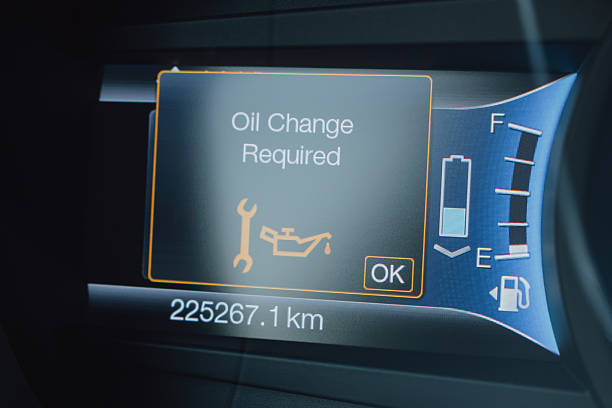
Changing your car’s engine oil is one of the most important parts of vehicle maintenance. But the big question many drivers ask is: “What is the recommended oil change interval?”
The answer depends on several factors, including the type of oil you use, driving habits, the age of your vehicle, and the manufacturer’s recommendation. In this complete guide, we will break down everything you need to know so you can keep your engine healthy and avoid costly repairs. Recommended Oil Change Interval.
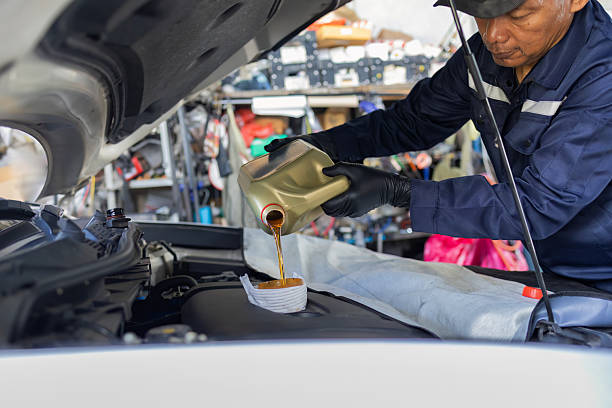
Why Oil Change Interval Matters
Engine oil performs major functions:
- Lubricates moving engine parts
- Reduces friction and heat
- Cleans dirt and sludge
- Prevents engine wear and corrosion
Over time, oil breaks down and loses its ability to protect the engine. Recommended Oil Change Interval If not changed on time, the engine may:
- Overheat
- Make noise or vibrate more
- Lose performance
- Consume more fuel
- Eventually fail — leading to expensive repairs
So, oil changes are essential for reliability, performance, and longevity.
General Recommended Oil Change Interval
Most experts suggest:
- Conventional oil: every 3,000–5,000 miles (5,000–8,000 km)
- Synthetic oil: every 7,500–10,000 miles (12,000–16,000 km) Recommended Oil Change Interval
If you check your owner’s manual, you will find the exact interval recommended by your car manufacturer.
Recommended Oil Change Interval by Oil Type
Different oil types offer different protection. Here’s a breakdown:
| Oil Type | Recommended Interval | Best For |
|---|---|---|
| Conventional Oil | 3,000–5,000 miles | Older vehicles, light driving |
| Semi-Synthetic Oil | 5,000–7,500 miles | Mixed driving conditions |
| Full Synthetic Oil | 7,500–10,000+ miles | Modern vehicles, high performance |
| High-Mileage Oil | Depends on type | Vehicles over 75,000 miles |
Synthetic oil lasts longer because it resists breakdown and handles extreme temperatures better.
Factors That Affect Oil Change Intervals
Your driving conditions can change how often oil should be replaced. Recommended Oil Change Interval
Driving Habits
- City driving, frequent stops → more frequent oil changes
- Highway driving, long steady distances → longer interval
Climate and Temperature
- Very hot or cold weather causes oil to degrade faster
Towing or Heavy Loads
- Engines working under stress need more frequent oil replacement
Old vs. New Cars
- Older engines may burn oil faster
- Newer engines are more efficient and compatible with synthetic oils
Fuel Type (Gasoline / Diesel)
- Diesel engines usually require more frequent oil changes due to soot buildup
Signs That You Need an Oil Change Sooner
Even if you haven’t hit the mileage limit, look out for:
- Oil change warning light
- Dark, dirty oil on the dipstick
- Engine noise or knocking
- Burning oil smell
- Decreased fuel efficiency
If you notice these signs, change the oil as soon as possible.
Oil Change Interval for Popular Car Brands (General Guide)
| Brand | Recommended Interval |
|---|---|
| Toyota | 5,000–10,000 miles |
| Honda | 7,500–10,000 miles |
| Ford | 5,000–7,500 miles |
| Nissan | 5,000–7,500 miles |
| Hyundai/Kia | 5,000–7,500 miles |
Always confirm using your owner’s manual or dealership recommendation.
How to Check Your Engine Oil at Home
Follow these simple steps:
- Let the engine cool down
- Remove the dipstick
- Wipe it clean
- Insert again and pull out
- Check oil level between MIN and MAX
- Check oil color — it should be golden brown, not black or gritty
If oil is low or dirty → time for an oil change.
Oil Filter Change: Is It Necessary Every Time?
Yes, absolutely!
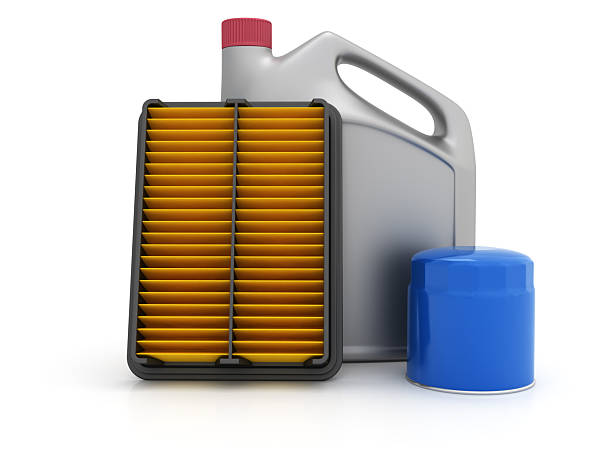
The oil filter collects dirt and metal particles. If not replaced, dirty oil will keep circulating and damage the engine.
Always change oil and filter together.
Benefits of Regular Oil Changes
- Better engine performance
- Improved fuel economy
- Longer engine lifespan
- Fewer breakdowns
- Cleaner emissions
- Lower repair costs
A small maintenance expense now prevents big engine repairs later.
Common Myths About Oil Change
| Myth | Reality |
|---|---|
| Oil changes must be done every 3,000 miles | Modern cars and synthetic oils last much longer |
| Dark oil always means bad | Some oils naturally darken while cleaning engine |
| Add oil instead of changing | Top-up doesn’t remove dirt or sludge |
| All cars can use synthetic oil | Always check manufacturer guidelines |
Recommended Maintenance Schedule (Sample)
Here’s a simple plan to keep your car healthy:
| Mileage | Service |
|---|---|
| Every 5,000–7,500 miles | Change oil & filter |
| Every 15,000 miles | Replace air filter |
| Every 30,000 miles | Check spark plugs & fluids |
| Every 60,000+ miles | Major inspection & timing component check |
Regular maintenance = safe and smooth driving.
Final Thoughts: How Often Should You Change Oil?
The recommended oil change interval varies, but a safe rule is:
- Every 3,000–5,000 miles for conventional oil
- Every 7,500–10,000 miles for synthetic oil
The best guide is your vehicle’s manual plus your driving habits.
When in doubt—change the oil early rather than late.
A few minutes of maintenance today protects your engine for years.