

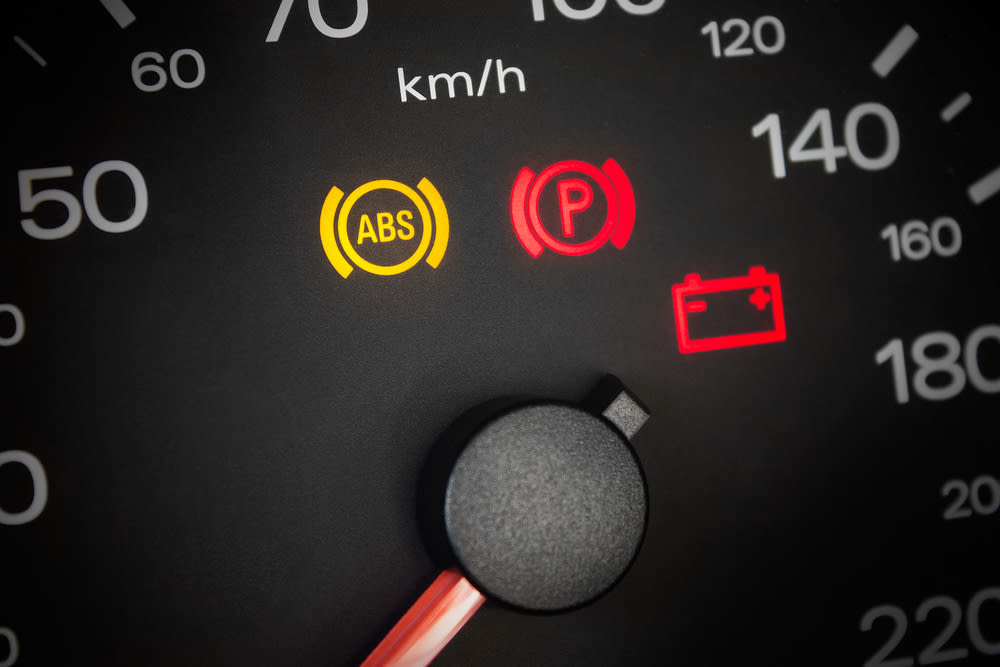
You shouldn’t drive with the ABS light on for safety reasons. The ABS light indicates a potential problem with the anti-lock braking system, and driving with it on could jeopardize your vehicle’s braking performance.How Long Can I Drive With Abs Light on?
If you’re noticing the ABS light on your dashboard, it’s important to address the issue promptly. Though it may be tempting to continue driving, the ABS light is a warning sign that should not be ignored. Continuing to drive with this warning light on could compromise your safety and the safety of others on the road.
It’s always best to have the issue diagnosed and repaired by a qualified mechanic as soon as possible to ensure your vehicle’s optimal performance and your safety while driving.

How Long Can I Drive With Abs Light on?
How Long Can I Drive With Abs Light on?
How Driving Is Affected Without ABS
When ABS is disabled, your brakes behave like older systems from before ABS was common. This means that during hard braking, especially at higher speeds, the wheels may lock. When wheels lock, steering control is reduced or lost entirely.Drive With the ABS Light On
For experienced drivers, threshold braking can help. This involves applying firm pressure without locking the wheels. However, this technique takes practice and is difficult to perform perfectly in an emergency. Most drivers rely on ABS to handle this automatically.
Without ABS, stopping distances can increase on wet or slippery surfaces. On dry pavement, stopping distance may be similar, but steering control during panic stops is still reduced.Drive With the ABS Light On
Common Reasons the ABS Light Comes On
Understanding the cause of the ABS light can help you determine how urgent the problem is. Some causes are minor, while others require more involved repairs.
Faulty Wheel Speed Sensors
Wheel speed sensors monitor how fast each wheel is turning. They are exposed to dirt, moisture, and road debris, making them one of the most common failure points. A dirty or damaged sensor can send incorrect data, triggering the ABS light.
Damaged Wiring or Connectors
The wiring that connects wheel speed sensors and the ABS module can become damaged over time. Corrosion, broken wires, or loose connectors can interrupt signals and cause a fault.
Low Brake Fluid
In some vehicles, low brake fluid can trigger the ABS light. This may indicate worn brake pads or a small leak in the system. Brake fluid level should always be checked if warning lights appear.Drive With the ABS Light On

ABS Module Failure
The ABS module is the control center of the system. Internal electrical failures can occur, especially in older vehicles. Module replacement or repair can be more expensive than other fixes.How Long Can I Drive With Abs Light on?
Blown Fuse or Relay
A simple blown fuse or faulty relay can disable the ABS system. This is often one of the easiest and least expensive issues to fix.How Long Can I Drive With Abs Light on?
Recently Changed Battery or Electrical Work
Low voltage from a weak battery or recent electrical repairs can sometimes trigger an ABS light. In some cases, the light will reset after driving or after clearing codes.How Long Can I Drive With Abs Light on?
Is It Safe in Emergency Situations?
The biggest concern with driving while the ABS light is on is emergency braking. In a sudden stop, you may not be able to steer around obstacles while braking hard. This increases the risk of a collision, especially in poor road conditions.
Frequently Asked Questions Of How Long Can I Drive With Abs Light On
How Long Can I Drive With The Abs Light On?
Driving with the ABS light on is not recommended as it indicates a fault in your car’s anti-lock braking system. While you can still drive without ABS, it’s important to get it checked by a professional as soon as possible.
Ignoring it could compromise your safety on the road, especially in emergency braking situations.
Conclusion
Driving with the ABS light on poses potential risks to your safety and vehicle. Ignoring the warning can lead to braking issues and compromised control on slippery roads. It is essential to address the issue promptly by scheduling a diagnostic test with a qualified mechanic.
Don’t take chances with your safety, and address the ABS light as soon as it appears.