
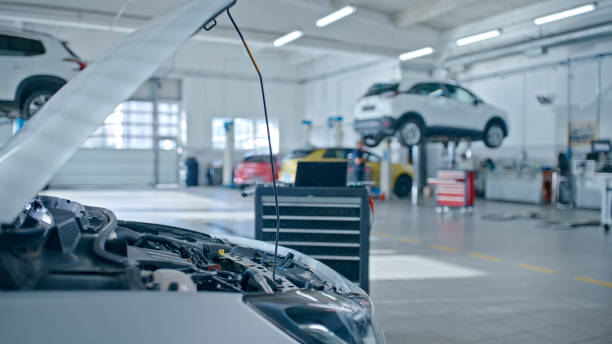
Car parts repair is a normal part of owning and maintaining a vehicle. No matter how careful a driver is, Car Parts Repair parts wear out over time. Heat, friction, weather, mileage, and driving habits all contribute to gradual damage. Understanding how car parts fail, which repairs matter most, and when to fix issues early can save money and prevent breakdowns.
This guide is written for US drivers who want clear, practical information. It explains common car parts that need repair, warning signs to watch for, repair versus replacement decisions, costs, Car Parts Repair and how to choose a reliable repair shop. There is no sales language here, just straightforward advice.
What Car Parts Repair Really Means
Car parts repair refers to fixing or restoring individual components of a vehicle so they function properly again. This can involve cleaning, adjusting, resurfacing, sealing, or replacing worn subcomponents rather than swapping out the entire system.
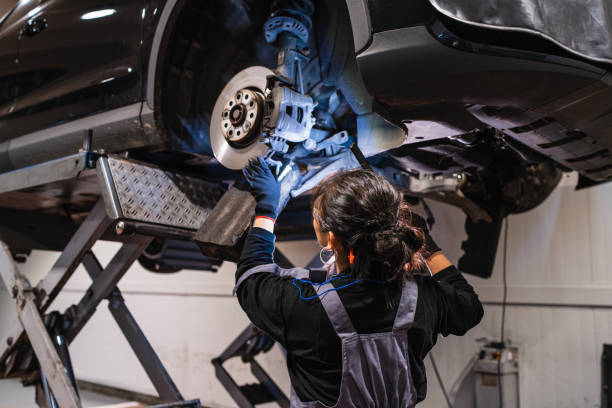
Some repairs are simple, like replacing brake pads or fixing a leaking hose. Others are more involved, such as rebuilding suspension components or repairing engine parts. In many cases, repairing a part is more cost effective than full replacement, especially when the damage is caught early.
Why Timely Car Parts Repair Matters
Delaying repairs often leads to bigger problems. A small issue in one component can place extra stress on connected systems.
For example, worn brake pads can damage rotors. A failing ignition coil can harm the catalytic converter. A minor coolant leak can lead to overheating and engine damage. Timely car parts repair reduces safety risks and prevents expensive secondary damage.
In the US, where many drivers rely on their vehicles daily for work and family needs, staying ahead of repairs is critical.
Common Car Parts That Frequently Need Repair
Some vehicle components wear faster than others. Knowing which parts commonly fail helps drivers stay prepared.
Brake System Components
Brakes are one of the most frequently repaired systems on any car. Pads wear down with use, rotors can warp, and calipers may seize over time. Brake fluid also absorbs moisture and needs periodic service.
Warning signs include squealing noises, vibration, longer stopping distances, and a soft brake pedal. Addressing brake issues early improves safety and lowers overall repair costs.
Suspension and Steering Parts
Suspension components such as shocks, struts, control arms, and bushings absorb road impact. Steering parts like tie rods and ball joints keep the vehicle stable and responsive.
In the US, rough roads, potholes, and long highway drives contribute to suspension wear. Clunking sounds, uneven tire wear, and loose steering feel often indicate the need for repair.
Engine Related Parts
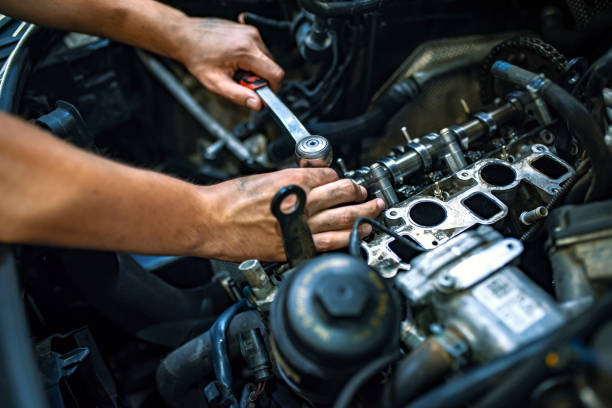
Engines contain many parts that may need repair over time. Common examples include sensors, belts, gaskets, ignition components, and fuel system parts.
Oil leaks, rough idling, poor fuel economy, and warning lights are common symptoms. Many engine repairs are manageable if handled early but become costly if ignored.
Transmission Components
Automatic and manual transmissions rely on fluid pressure, seals, and mechanical parts. Common repairs include fixing leaks, replacing solenoids, and servicing clutches.
Transmission issues often show up as delayed shifting, slipping gears, or unusual noises. Early diagnosis can sometimes avoid full replacement.
Cooling System Parts
The cooling system regulates engine temperature. Radiators, hoses, water pumps, and thermostats all wear out.
Overheating is a serious issue. Even a small cooling system failure can cause engine damage if not repaired promptly.
Electrical and Electronic Parts
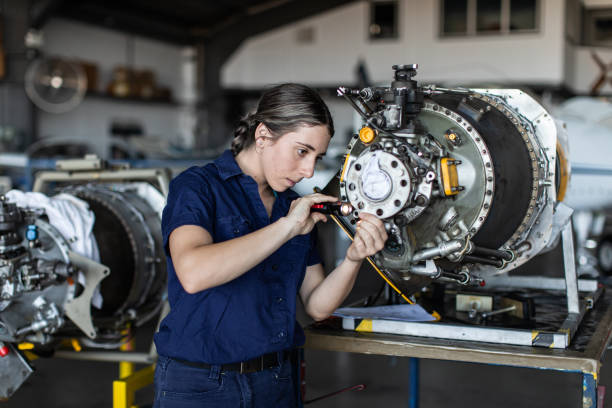
Modern vehicles depend heavily on electronics. Alternators, starters, wiring, sensors, and control modules can all fail.
Electrical issues may cause starting problems, warning lights, or malfunctioning accessories. Accurate diagnosis is important since symptoms can overlap.
Exhaust System Components
The exhaust system controls emissions and reduces noise. Common repairs include fixing leaks, replacing oxygen sensors, and repairing mufflers.
Exhaust problems may reduce fuel efficiency and cause inspection failures in many US states.
Repair vs Replacement: How to Decide
One of the most common questions drivers face is whether to repair a part or replace it entirely.
Repair is often appropriate when damage is limited, the part structure is sound, and labor costs are reasonable. Replacement makes sense when a component is heavily worn, safety critical, or prone to repeat failure.
A good repair shop will explain both options clearly and outline the long term impact of each choice.
Signs Your Car Parts Need Attention
Vehicles usually give warning signs before parts fail completely. Paying attention helps avoid roadside breakdowns.
Common signs include:
- Unusual noises such as grinding, clicking, or knocking
- Dashboard warning lights
- Fluid leaks under the vehicle
- Vibrations or pulling while driving
- Reduced fuel efficiency
- Burning smells or overheating
Ignoring these signs often leads to higher repair costs.
DIY Car Parts Repair vs Professional Service
Some car owners prefer to handle basic repairs themselves. Others rely entirely on professional mechanics. Both approaches have benefits.
When DIY Repair Makes Sense
Simple repairs like replacing air filters, wiper blades, batteries, and spark plugs are manageable for many drivers. DIY work can save money and help owners understand their vehicles better.
When Professional Repair Is the Better Choice
Complex systems such as brakes, suspension, engines, and transmissions require training, tools, and safety knowledge. Improper repairs can cause accidents or further damage.
For most US drivers, a mix of DIY maintenance and professional repair works best.
How to Choose a Reliable Car Parts Repair Shop
Selecting the right repair shop is just as important as the repair itself.
Look for Clear Communication
A trustworthy shop explains problems in plain language and provides written estimates. They answer questions without pressure.
Certifications and Experience
Technicians with proper certifications and experience are better equipped to diagnose and repair modern vehicles.
Warranty on Repairs
Many reputable shops offer warranties on parts and labor. This provides peace of mind and reflects confidence in their work.
Reviews and Local Reputation
Online reviews and word of mouth remain valuable tools for evaluating repair quality.
Understanding Car Parts Repair Costs in the US
Repair costs vary based on vehicle type, location, and labor rates. Urban areas often have higher labor costs than rural areas.
Parts quality also affects price. Original equipment parts usually cost more than aftermarket alternatives, though both have valid uses.
Preventive maintenance often reduces overall repair expenses by catching problems early.
Preventive Maintenance and Long Term Savings
Regular maintenance reduces the need for major repairs. Oil changes, fluid checks, tire rotations, and inspections help keep parts in good condition.
Many expensive repairs begin as minor issues that were overlooked. Preventive care is one of the most cost effective strategies for car ownership.
Car Parts Repair and Vehicle Safety
Certain repairs directly affect safety. Brakes, steering, tires, and suspension should never be ignored.
If a repair involves a safety critical system, it should be handled promptly and correctly. Cutting corners in these areas puts drivers and others at risk.
Car Parts Repair and Resale Value
A vehicle with documented repairs and maintenance records often has higher resale value. Buyers prefer cars that have been cared for properly.
Fixing visible issues and addressing warning lights before selling can make a significant difference in buyer confidence.
Environmental Considerations
Repairing parts instead of replacing entire systems can reduce waste. Properly functioning vehicles also produce fewer emissions.
In many cases, repairing a component extends its usable life and supports more sustainable car ownership.
Frequently Asked Questions
Is it cheaper to repair or replace car parts
It depends on the extent of damage and the part involved. Minor damage often favors repair, while severe wear favors replacement.
How long do common car parts last
Lifespan varies by part and driving conditions. Brakes may last tens of thousands of miles, while engines can last much longer with proper care.
Can driving habits affect repair frequency
Yes. Aggressive driving, hard braking, and poor maintenance increase wear on many components.
Should I use original or aftermarket parts
Both can be reliable. The best choice depends on quality, warranty, and intended vehicle use.
Final Thoughts
Car parts repair is an unavoidable part of vehicle ownership, but it does not have to be stressful or confusing. By understanding how parts wear, recognizing early warning signs, and choosing reliable repair services, US drivers can keep their vehicles safe and dependable.
Timely repairs, combined with regular maintenance, reduce costs over time and help vehicles perform well for years. In the long run, informed decisions about car parts repair protect both your vehicle and your budget.