
Modern vehicles rely heavily on electrical systems. From starting the engine to running safety features and entertainment systems, electricity powers a large portion of what makes your car work smoothly. When something goes wrong in the electrical system, it can cause problems that are confusing, frustrating, and sometimes expensive.
Auto electrical repair focuses on diagnosing and fixing problems in the electrical components of a vehicle. This includes batteries, alternators, starters, wiring, sensors, lights, and many other parts that depend on electrical power.
In this guide, you will learn how auto electrical systems work, common problems drivers face, warning signs to watch for, and when to seek professional repair.
Understanding the Basics of a Car’s Electrical System
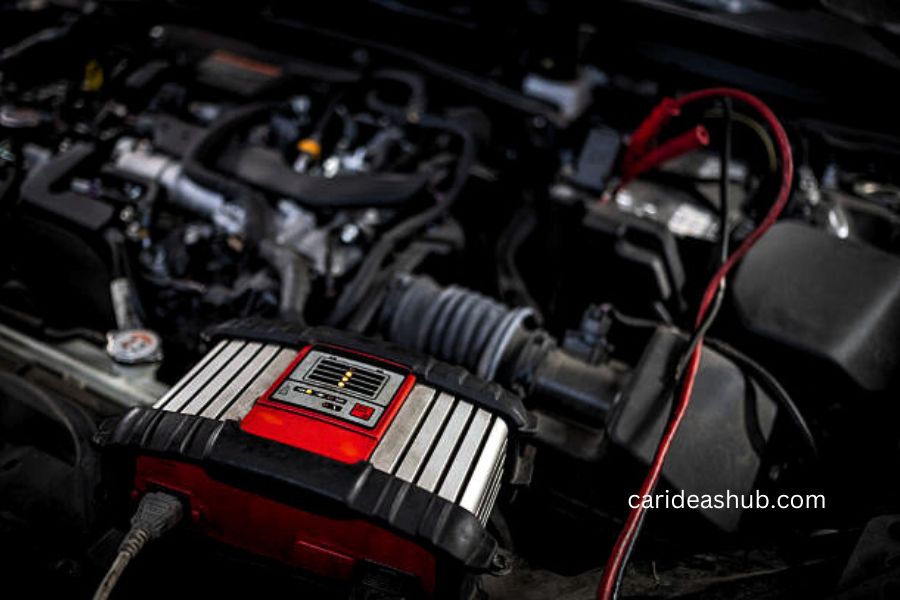
Most vehicles have three main electrical components that keep everything running:
- The battery
- The alternator
- The starter
These parts work together to power the car and keep electrical systems functioning.
The Battery
The battery stores electrical energy and provides power to start the engine. It also powers accessories when the engine is not running, such as interior lights or the radio.
A typical car battery lasts between three and five years. Extreme weather, short trips, and poor maintenance can shorten its life.
The Alternator
Once the engine starts, the alternator takes over the job of generating electricity. It recharges the battery and supplies power to the vehicle’s electrical systems.
If the alternator fails, the battery will eventually drain and the vehicle will stop running.
The Starter
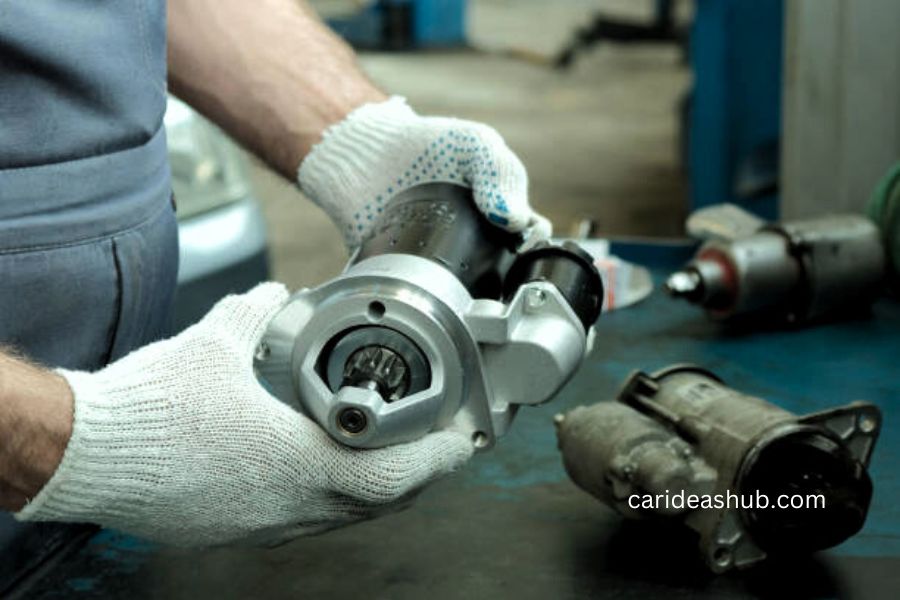
The starter motor uses power from the battery to crank the engine when you turn the key or press the start button. Without a working starter, the engine cannot begin running.
Why Auto Electrical Repairs Are Increasing
Vehicles today contain far more electronics than cars built twenty years ago. Modern cars include systems such as:
- Power steering controls
- Anti lock braking systems
- Engine control modules
- Advanced safety sensors
- Infotainment systems
- Navigation units
- Parking sensors
- Backup cameras
Because these systems rely on electrical wiring and computer modules, electrical problems have become one of the most common repair categories in the automotive industry.
Common Auto Electrical Problems
Electrical issues can appear in many different ways. Some are simple to fix while others require detailed diagnostics.
Here are several of the most common problems drivers experience.
Dead Battery
A dead battery is one of the most frequent reasons vehicles fail to start. Signs include:
- Clicking sound when turning the key
- Dim dashboard lights
- No power to electronics
- Engine will not crank
Sometimes the issue is simply an old battery that needs replacement. In other cases, a battery may drain because of a faulty alternator or a parasitic electrical draw.
Faulty Alternator
When the alternator fails, the battery cannot recharge. Drivers may notice:
- Dim or flickering headlights
- Warning lights on the dashboard
- Electrical accessories losing power
- Battery constantly dying
Ignoring a failing alternator can leave you stranded.
Starter Motor Failure
If the starter motor stops working, the engine will not crank even if the battery is fully charged.
Common signs include:
- Loud clicking when turning the key
- Grinding noise when starting
- Engine not turning over
Starter replacement usually requires professional repair.
Blown Fuses
Fuses protect electrical circuits from damage. When a fuse blows, the connected system stops working.
For example:
- Power windows may stop functioning
- Radio may not turn on
- Interior lights may fail
Replacing a fuse is often simple, but repeated fuse failures usually indicate a deeper electrical problem.
Wiring Issues
Vehicle wiring can become damaged over time due to heat, vibration, corrosion, or rodents.
Damaged wiring can cause problems such as:
- Sensors not working correctly
- Random warning lights
- Engine performance issues
- Electrical accessories failing
Tracking wiring problems can be challenging because the issue may be hidden behind panels or under the dashboard.
Warning Signs of Electrical Problems
Drivers often ignore early warning signs of electrical trouble. Catching these issues early can prevent expensive repairs later.
Watch for these signs:
Flickering Lights
Headlights or dashboard lights that flicker often indicate charging system problems or poor wiring connections.
Burning Smell
A burning plastic smell may signal overheated wires or electrical short circuits.
Dashboard Warning Lights
Modern vehicles monitor many electrical systems. If warning lights appear frequently, the car’s computer may be detecting faults.
Difficulty Starting
Slow engine cranking or intermittent starting problems often point to battery, starter, or wiring issues.
Malfunctioning Accessories
If power windows, door locks, or infotainment systems stop working properly, electrical diagnostics may be needed.
The Auto Electrical Diagnostic Process
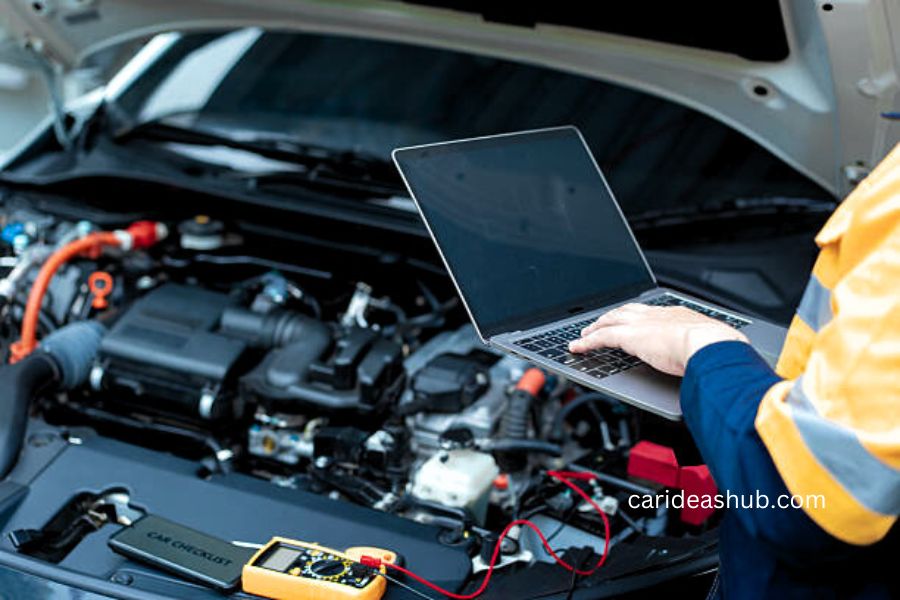
Electrical repairs usually begin with diagnostics. Mechanics use specialized tools to locate the source of the problem.
The process often includes several steps.
Computer Scanning
Technicians connect diagnostic scanners to the vehicle’s onboard computer system. These scanners read fault codes that help identify system failures.
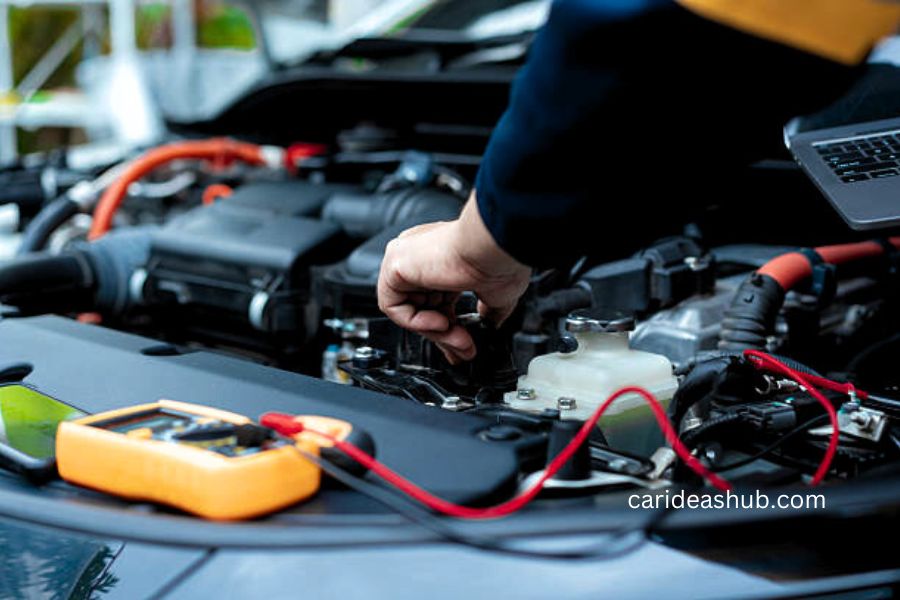
Battery and Charging System Testing
A technician will test:
- Battery voltage
- Alternator output
- Charging system performance
This helps determine whether the problem lies in the charging system.
Wiring Inspection
Mechanics inspect wiring harnesses and connectors for damage, corrosion, or loose connections.
Electrical Load Testing
Load tests measure how electrical components perform under stress. This helps identify weak parts that may fail soon.
Auto Electrical Components That Often Need Repair
Many different parts of a vehicle rely on electricity. Some components fail more often than others.
Lighting Systems
Headlights, brake lights, interior lights, and signal lights depend on wiring, bulbs, and switches. Faulty wiring or burnt bulbs can cause lighting problems.
Ignition Systems
The ignition system includes components such as ignition coils, spark plugs, and sensors. Electrical issues here can affect engine performance.
Sensors
Modern engines rely on many sensors to control fuel delivery and emissions. A faulty sensor may trigger warning lights or reduce engine efficiency.
Power Accessories
Features like power windows, seat controls, and mirrors rely on small electric motors and switches. These parts can wear out over time.
DIY Auto Electrical Repairs: What Drivers Can Do
Some electrical problems can be handled at home with basic tools. However, many repairs require professional knowledge.
Here are a few tasks drivers can safely handle.
Replacing a Battery
Replacing a car battery is one of the simplest electrical repairs. Always disconnect the negative terminal first and reconnect it last.
Changing Fuses
Most vehicles have a fuse box under the dashboard or hood. A fuse diagram shows which fuse controls each circuit.
Replacing Light Bulbs
Headlights, brake lights, and interior bulbs can often be replaced without special tools.
For complex electrical repairs, professional help is recommended.
Why Professional Electrical Repair Matters
Modern vehicle electrical systems are complex. A single wiring harness may contain dozens of circuits connected to multiple control modules.
Professional technicians have access to:
- Advanced diagnostic equipment
- Electrical diagrams
- Manufacturer repair procedures
This allows them to identify problems quickly and repair them safely.
Improper electrical work can lead to additional damage or safety risks.
Cost of Auto Electrical Repair in the United States
Repair costs vary depending on the problem and vehicle model.
Typical price ranges include:
- Battery replacement: $120 to $300
- Alternator replacement: $400 to $900
- Starter replacement: $300 to $700
- Electrical diagnostics: $100 to $200
Luxury vehicles and newer cars may cost more due to advanced electronics.
Preventing Auto Electrical Problems
Regular maintenance helps reduce the chance of electrical failures.
Here are several simple habits that can help.
Check the Battery Regularly
Inspect battery terminals for corrosion and ensure connections remain tight.
Avoid Leaving Electronics On
Leaving lights or accessories running while the engine is off can drain the battery.
Protect Wiring
Rodents sometimes chew vehicle wiring. Parking in a garage or using deterrents can help prevent this.
Schedule Regular Inspections
Routine maintenance allows technicians to identify early electrical issues.
Choosing a Reliable Auto Electrical Repair Shop
Finding a trustworthy repair shop is important when dealing with electrical problems.
Look for shops that offer:
- Certified automotive technicians
- Clear diagnostic explanations
- Transparent pricing
- Warranty on repairs
Online reviews can also help identify reputable repair services.
The Future of Auto Electrical Systems
Vehicle technology continues to evolve rapidly. Electric vehicles and hybrid cars rely even more heavily on electrical systems than traditional gasoline vehicles.
Future vehicles will include:
- Advanced driver assistance systems
- More sensors and cameras
- High voltage battery systems
- Increased computer control
Because of this shift, auto electrical repair will become an even more important skill in the automotive industry.
Final Thoughts
Auto electrical repair plays a critical role in keeping vehicles reliable and safe. As cars become more advanced, electrical systems are responsible for everything from engine performance to driver safety features.
Understanding the basics of these systems helps drivers recognize warning signs early and avoid costly breakdowns.
If you notice dim lights, starting problems, or electrical accessories malfunctioning, it is wise to have the vehicle inspected by a qualified technician.
Taking care of your car’s electrical system today can save time, money, and stress down the road.