
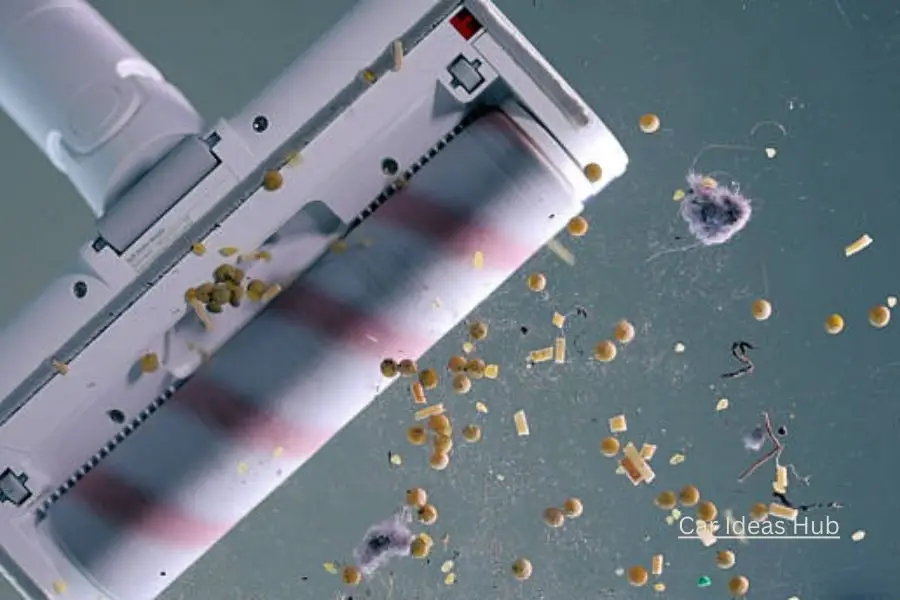
Portable vacuum cleaners have become a practical solution for everyday cleaning. They are small, easy to store, and designed to handle quick messes without pulling out a full size vacuum. For apartments, cars, dorm rooms, and busy households, a portable vacuum can save time and effort.
This guide explains portable vacuum cleaners in clear, practical terms. It covers the different types, how to choose the right one, realistic expectations, maintenance tips, and common mistakes buyers make. It is written for US consumers who want honest advice, not marketing hype.
What Is a Portable Vacuum Cleaner
A portable vacuum cleaner is a compact cleaning device designed for light to moderate cleaning tasks. Unlike traditional upright or canister vacuums, portable models focus on convenience, mobility, and quick use.
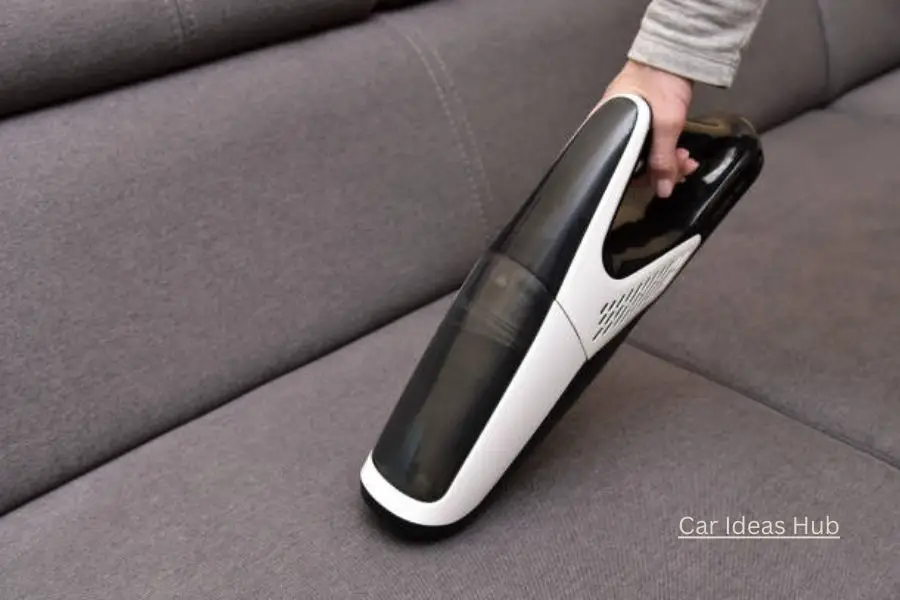
Most portable vacuums are:
- Lightweight
- Cordless or short corded
- Easy to carry
- Simple to empty and clean
They are ideal for spot cleaning, small spaces, and areas that full size vacuums struggle to reach.
Why Portable Vacuum Cleaners Are Popular
Portable vacuum cleaners have grown in popularity for several reasons.
First, homes are smaller and storage space is limited. A compact vacuum fits easily into a closet, cabinet, or car trunk.
Second, people value speed. Cleaning crumbs, pet hair, or dirt immediately is easier than setting up a large vacuum.
Third, modern battery technology has improved suction and run time, making portable vacuums more capable than older models.
Types of Portable Vacuum Cleaners
Understanding the main types helps narrow down the right choice.
Handheld Vacuum Cleaners
Handheld vacuums are the smallest and most portable option.
Best for:
- Cars
- Furniture
- Stairs
- Small spills
Pros:
- Extremely lightweight
- Easy to store
- Quick cleanup
Cons:
- Limited suction
- Small dust capacity
Stick Vacuum Cleaners
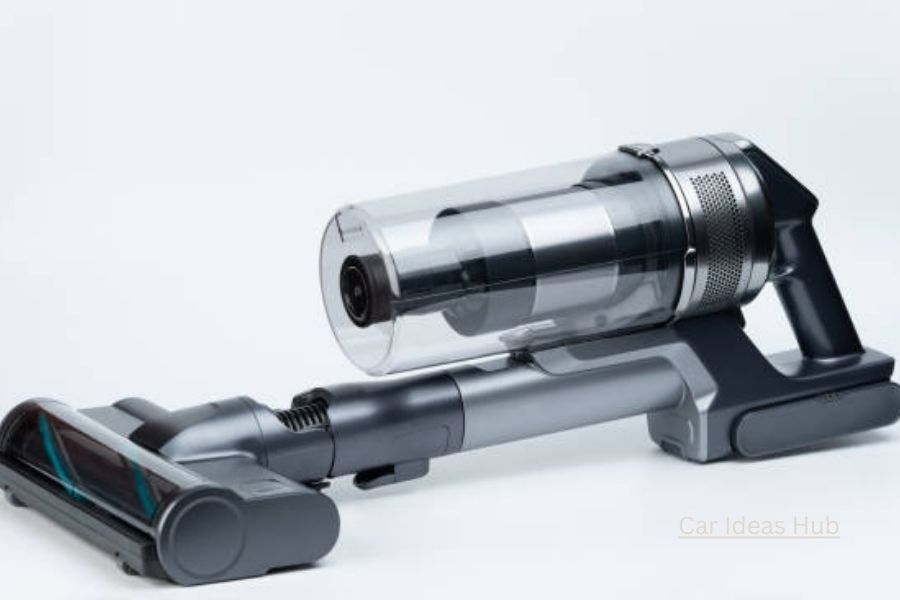
Stick vacuums are slim, upright style units that balance portability and power.
Best for:
- Apartments
- Hard floors
- Quick whole room cleaning
Pros:
- Stronger suction than handhelds
- Longer run time
- More versatile
Cons:
- Higher cost
- Larger than handhelds
Portable Canister Vacuums
These are compact versions of traditional canister vacuums.
Best for:
- Small homes
- Mixed flooring
- Deeper cleaning
Pros:
- Strong suction
- Multiple attachments
Cons:
- Less convenient to carry
- Takes more storage space
Car Vacuum Cleaners
Car vacuums are designed specifically for vehicle interiors.
Best for:
- Seats
- Floor mats
- Tight spaces
Pros:
- Narrow attachments
- Designed for car use
Cons:
- Limited use outside the car
Cordless vs Corded Portable Vacuums
Cordless Portable Vacuums
Cordless models run on rechargeable batteries.
Advantages:
- Maximum mobility
- Easy to use anywhere
- No outlet needed
Disadvantages:
- Limited run time
- Battery degradation over time
Corded Portable Vacuums
Corded models plug into a wall outlet or car power port.
Advantages:
- Consistent suction
- No battery concerns
Disadvantages:
- Limited range
- Less convenient
For most users, cordless models offer better overall convenience.
Key Features to Look For
Suction Power
Suction determines how well a vacuum picks up dirt. Look for clear specifications rather than vague claims.
Battery Life
Most cordless portable vacuums run between 10 and 40 minutes. Short run times are fine for quick cleaning but not whole rooms.
Weight and Ergonomics
A portable vacuum should be easy to hold and maneuver. Heavy units defeat the purpose of portability.
Filtration System
HEPA or multi stage filtration helps trap fine dust and allergens, which is important for allergy sensitive households.
Attachments
Useful attachments include:
- Crevice tools
- Brush heads
- Upholstery tools
These increase versatility significantly.
How Portable Vacuum Cleaners Perform on Different Surfaces
Hard Floors
Most portable vacuums perform well on hardwood, tile, and laminate. Look for soft brush attachments to avoid scratches.
Carpets and Rugs
Performance varies. Stick and canister portable vacuums handle low pile carpets better than handhelds.
Furniture and Upholstery
Portable vacuums excel here, especially with brush attachments.
Pet Hair
Pet hair requires strong suction and good brush design. Not all portable vacuums handle pet hair equally well.
Realistic Expectations
Portable vacuum cleaners are designed for convenience, not deep cleaning large homes.
They work best for:
- Daily touch ups
- Small messes
- Tight spaces
They are not a replacement for full size vacuums in large homes.
Maintenance and Care
Proper maintenance extends the life of your portable vacuum.
Basic care includes:
- Emptying the dust container regularly
- Cleaning or replacing filters
- Checking attachments for clogs
- Charging batteries properly
Neglecting maintenance reduces suction and battery life.
Common Mistakes Buyers Make
Avoid these common errors:
- Expecting full size performance
- Ignoring battery run time
- Choosing based on looks alone
- Skipping filter maintenance
Understanding limitations prevents disappointment.
Portable Vacuum Cleaners for Apartments
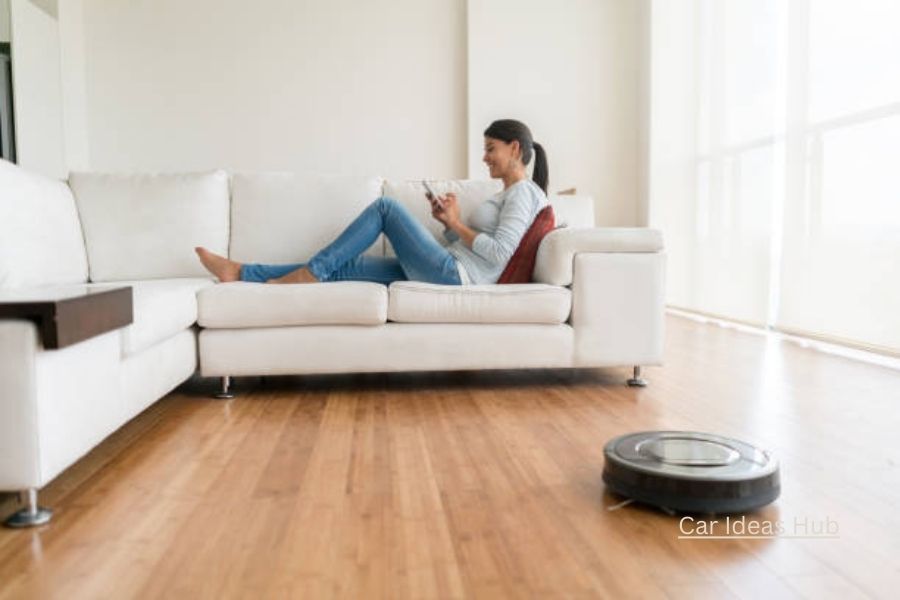
Apartment dwellers benefit the most from portable vacuums.
Key advantages:
- Easy storage
- Quiet operation
- Fast cleanup
Stick vacuums are often the best balance for apartment use.
Portable Vacuum Cleaners for Cars
A dedicated portable vacuum makes car cleaning much easier.
Look for:
- Narrow attachments
- Adequate suction
- Easy emptying
Regular use prevents dirt buildup and odors.
Are Portable Vacuum Cleaners Good for Allergies
Models with proper filtration can help reduce allergens.
Look for:
- HEPA filters
- Sealed airflow systems
- Washable filters
However, deep carpet cleaning still requires stronger equipment.
Energy Efficiency
Portable vacuums use less electricity than full size models. Cordless units consume minimal power during charging.
This makes them an energy efficient option for light cleaning.
Cost Expectations
Portable vacuum cleaner prices vary widely.
Typical US price ranges:
- Handheld models: $30 to $80
- Stick vacuums: $100 to $300
- Portable canister vacuums: $150 to $400
Higher prices usually reflect better build quality and battery performance.
When a Portable Vacuum Is Not Enough
If you have:
- Thick carpets
- Large homes
- Heavy pet shedding
You may need a full size vacuum in addition to a portable one.
Tips for First Time Buyers
If you are buying your first portable vacuum:
- Identify your main use case
- Check battery run time
- Read verified reviews
- Avoid unrealistic expectations
A good match leads to long term satisfaction.
Frequently Asked Questions
Can a portable vacuum replace a regular vacuum
In small spaces, sometimes. In larger homes, it works best as a supplement.
How long do portable vacuum batteries last
Most last two to five years depending on usage and charging habits.
Are washable filters better
Washable filters reduce ongoing costs but must be cleaned regularly.
Final Thoughts
Portable vacuum cleaners are practical tools for modern living. They save time, reduce effort, and make routine cleaning easier. When chosen carefully and used within their limits, they provide excellent value.
Think of a portable vacuum as a convenience upgrade rather than a replacement for heavy duty equipment. Used correctly, it keeps your space cleaner with less work.