

If you have ever seen the “Oil Pressure Low” warning light on your dashboard, you know how scary it can feel. This warning isn’t something you should ignore because low oil pressure can cause serious engine damage if not fixed in time. In this article, Oil Pressure Low Meaning, we will explain the meaning of low oil pressure, the common causes, symptoms, risks, and how drivers in the USA can solve the issue quickly and safely.
What Does “Oil Pressure Low” Actually Mean?
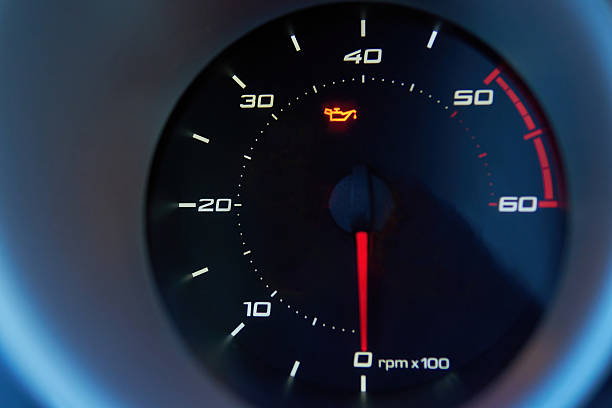
Your car engine needs pressurized oil to lubricate moving parts like pistons, bearings, and the crankshaft. When the dashboard shows “Low Oil Pressure” or the red oil can warning light, it means the pressure inside the oil system is below the safe level.
Low pressure means oil isn’t reaching critical engine parts properly, and the engine could overheat or wear out faster. Ignoring this warning can lead to an expensive engine replacement.
Quick Tip: If this light comes on while driving, pull over safely and stop the engine immediately.
Main Causes of Low Oil Pressure
Low oil pressure can happen for several reasons. Oil Pressure Low Meaning, Here are the most common ones:
Low Engine Oil Level
Oil may be burning, leaking, or never filled after a service.
- Did you check your oil recently?
- Do you see oil spots under your car?
Low oil level is the most common cause. Oil Pressure Low Meaning.
Dirty or Old Oil
When oil becomes dirty or thick, it can’t flow properly through the engine.
- Skipped oil changes?
- Oil looks black and muddy?
Time for an oil change.
Faulty Oil Pump
The oil pump is responsible for pushing oil through the engine. If the pump is worn or damaged, pressure drops. Oil Pressure Low Meaning.
Clogged Oil Filter
The oil filter keeps dirt out of the engine. When clogged, Oil Pressure Low Meaning, it blocks oil flow, reducing pressure.
Worn Engine Bearings
Over time, engine parts wear out, causing clearance gaps that reduce oil pressure. This mostly happens in high-mileage vehicles.
Bad Oil Pressure Sensor
Sometimes the issue is just a defective sensor giving the wrong signal. However, never assume—it’s safer to diagnose.
Wrong Oil Type
Your engine needs the correct viscosity oil, like 5W-30 or 0W-20 depending on your vehicle. Thinner or thicker oil can affect pressure.
Always follow the manufacturer’s recommendation in your owner’s manual.
Symptoms of Low Oil Pressure
Here’s what you may notice if your oil pressure is dropping:
- Oil warning light
- Engine noise (knocking/ticking)
- Burning oil smell
- Overheating
- Poor engine performance
- Blue or white smoke from exhaust
If you notice any of these signs, stop driving and inspect the oil level.
Is Low Oil Pressure Dangerous?
Yes. Driving with low oil pressure can:
- Damage piston rings
- Wear engine bearings
- Cause total engine failure
- Lead to repair bills over $4,000–$8,000 in the USA
So do not ignore the warning. Acting fast can save your engine and your wallet
How to Fix Low Oil Pressure
Let’s fix the problem step-by-step:
Step 1: Check Oil Level
- Park on a level surface
- Pull the dipstick
- If the oil level is low → Add the recommended oil
If the light turns off after adding oil → problem solved!
Step 2: Change Engine Oil & Filter
If the oil is dark or dirty, replace it. Clean oil improves pressure instantly.
Recommended U.S. service interval:
Every 3,000–7,500 miles depending on oil type
Step 3: Look for Leaks
Common leaking spots:
- Valve cover gasket
- Oil filter area
- Drain plug
- Oil pan gasket
You might notice oil puddles in your driveway.
Step 4: Replace Oil Pressure Sensor
A bad sensor is cheap to fix and often solves the dashboard alert.
Step 5: Check Oil Pump
If the pump is weak, a mechanic will need to inspect or replace it.
Step 6: Engine Inspection
For older vehicles with high mileage, worn parts may reduce pressure. A professional mechanic should diagnose internal damage.
Best Oils for Stable Oil Pressure (USA-Available)
To protect your engine, choose high-quality motor oil:
| Oil Type | Best For | Pressure Stability |
|---|---|---|
| Full Synthetic 5W-30 | Most modern engines | ⭐⭐⭐⭐⭐ |
| Full Synthetic 0W-20 | Fuel-efficient cars | ⭐⭐⭐⭐ |
| High-Mileage Oil | Cars over 75,000 miles | ⭐⭐⭐⭐⭐ |
Brands trusted in the USA:
- Valvoline
- Castrol
- Mobil 1
- Pennzoil
Check your manual before choosing.
Where to Fix Low Oil Pressure in the USA
If you’re not comfortable fixing it yourself, visit a local shop:
Popular nationwide options:
- Valvoline Instant Oil Change
- Jiffy Lube
- Firestone Complete Auto Care
- Pep Boys
- Midas
- You can also search:
- 🔍 “oil change near me”
- 🔍 “auto repair near me”
Most shops offer same-day diagnostic service.
Good Side vs Bad Side of Low Oil Pressure
| Good Side | Bad Side |
|---|---|
| Warning light helps protect engine | Engine can fail if ignored |
| Often cheap fix like adding oil | Repair cost can be thousands |
| Reminds you to maintain car | Can cause breakdown while driving |
So the only “good” part is catching it early.
How to Prevent Low Oil Pressure
Follow these simple habits:
- Change oil on time
- Use the correct oil grade
- Replace the oil filter regularly
- Check for leaks monthly
- Don’t ignore dashboard warnings
Taking care of your oil system gives your engine longer life and better performance.
Final Thoughts
Low oil pressure is not something to overlook. That tiny red oil can symbol can mean big trouble if you keep driving without fixing the cause. Whether it’s low oil level, dirty oil, a bad pump, or a faulty sensor, solving the issue quickly protects your car from expensive damage.
If you’re in the USA, help is easy to find—local oil change shops and mechanics can solve the problem fast. Remember, regular maintenance is the key to avoiding low oil pressure in the future.