

Changing your car’s oil at home is one of the easiest and most cost-effective ways to maintain your vehicle. Many car owners in the United States choose to do an oil change at home to save money, learn basic car maintenance, and ensure the job is done correctly.
If you’ve ever wondered whether you can safely change your own oil—or how to do it the right way—this detailed guide is for you.
What Is an Oil Change and Why Is It Important?
Engine oil plays a critical role in keeping your car running smoothly. It:
- Lubricates engine parts
- Reduces friction and heat
- Cleans dirt and debris
- Protects against corrosion
- Improves fuel efficiency
Over time, oil becomes dirty and loses its effectiveness. That’s why regular oil changes are essential for engine health.
Benefits of Doing an Oil Change at Home
Performing an oil change at home offers several advantages:
Save Money
DIY oil changes can cost 30–50% less than service centers.
Full Control
You choose the oil brand, oil filter, and quality level.
Learn Basic Car Maintenance
Understanding your vehicle improves long-term reliability.
Convenience
No waiting rooms, no appointments, no upselling.
How Often Should You Change Your Oil?
Oil change intervals depend on your vehicle and oil type:
| Oil Type | Recommended Interval |
|---|---|
| Conventional Oil | Every 3,000–5,000 miles |
| Synthetic Blend | Every 5,000–7,500 miles |
| Full Synthetic | Every 7,500–10,000 miles |
Always check your owner’s manual for exact recommendations.
Tools and Supplies Needed for Oil Change at Home
Before starting, gather the following items:
Required Tools:
- Car jack and jack stands or ramps
- Oil drain pan
- Wrench or socket set
- Oil filter wrench
- Funnel
- Gloves and rags
Supplies:
- Correct engine oil (check viscosity like 5W-30)
- New oil filter
Step-by-Step Guide: How to Change Oil at Home
Step 1: Prepare Your Vehicle
- Park on a flat surface
- Turn off the engine
- Let the engine cool for 10–15 minutes
- Engage parking brake
Step 2: Lift the Car Safely
- Use ramps or jack stands
- Never rely on a jack alone
- Ensure the vehicle is stable before going underneath
Step 3: Drain the Old Oil
- Locate the oil drain plug
- Place the drain pan underneath
- Loosen the plug carefully
- Allow oil to drain completely (5–10 minutes)
Step 4: Replace the Oil Filter
- Remove old oil filter using a wrench
- Lightly oil the rubber gasket on the new filter
- Install the new filter hand-tight (do not overtighten)
Step 5: Reinstall Drain Plug
- Clean the drain plug
- Replace washer if needed
- Tighten securely but not excessively
Step 6: Add New Oil
- Open the oil fill cap
- Use a funnel to pour in new oil
- Add the recommended amount
Step 7: Check Oil Level
- Start engine for 30 seconds
- Turn off and wait a few minutes
- Check dipstick and adjust oil level if needed
Common Mistakes to Avoid
Overfilling the oil
Forgetting to replace the oil filter
Not tightening the drain plug properly
Using incorrect oil viscosity
Ignoring oil disposal rules
How Much Does an Oil Change at Home Cost?
Average DIY oil change cost in the USA:
| Item | Cost |
|---|---|
| Engine Oil | $25–$45 |
| Oil Filter | $5–$15 |
| Total | $30–$60 |
Compared to service shops charging $70–$120, DIY saves money.
Where to Dispose of Used Oil in the USA
Never pour oil down the drain or on the ground.
Safe Disposal Options:
- AutoZone, Advance Auto Parts
- O’Reilly Auto Parts
- Local recycling centers
- Municipal hazardous waste facilities
Most accept used oil for free.
Is Oil Change at Home Safe?
Yes—when done properly.
Safety Tips:
- Wear gloves
- Use jack stands
- Work on a flat surface
- Allow engine to cool
- Keep children away
Following safety guidelines makes DIY oil changes safe and easy.
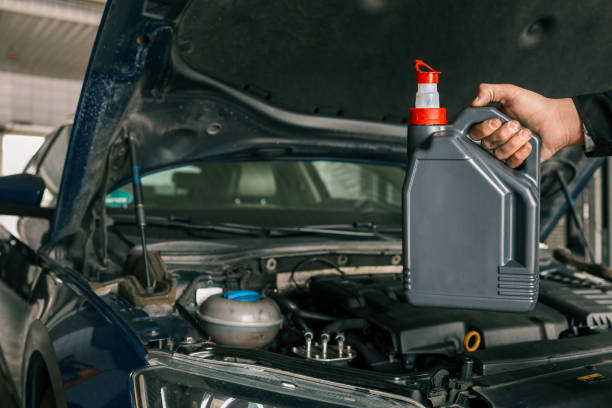
Best Oil Types for DIY Oil Change
Common Oil Grades:
- 0W-20 (Modern fuel-efficient cars)
- 5W-30 (Most common in USA)
- 10W-30 (Older engines)
Recommended Brands:
- Mobil 1
- Valvoline
- Castrol
- Pennzoil
- Royal Purple
Always follow your manufacturer’s recommendations.
Synthetic vs Conventional Oil for Home Oil Change
| Feature | Synthetic Oil | Conventional Oil |
|---|---|---|
| Price | Higher | Lower |
| Performance | Better | Basic |
| Oil Life | Longer | Shorter |
| Engine Protection | Excellent | Moderate |
Synthetic oil is ideal for modern vehicles and extreme temperatures.
Signs You Need an Oil Change
- Oil warning light on dashboard
- Engine noise or knocking
- Dark or dirty oil
- Burning oil smell
- Decreased fuel efficiency
Ignoring oil changes can cause serious engine damage.
Environmental Benefits of DIY Oil Changes
When done responsibly, oil change at home:
- Encourages proper recycling
- Reduces waste
- Promotes vehicle longevity
- Lowers environmental impact
Conclusion
An oil change at home is a practical, affordable, and empowering way to care for your vehicle. With the right tools, basic knowledge, and safety precautions, almost anyone can do it successfully.
By changing your own oil, you:
- Save money
- Protect your engine
- Gain valuable car maintenance skills
- Avoid unnecessary service fees
If you’re looking for a reliable and cost-effective way to maintain your car, learning how to change your oil at home is a smart choice.