
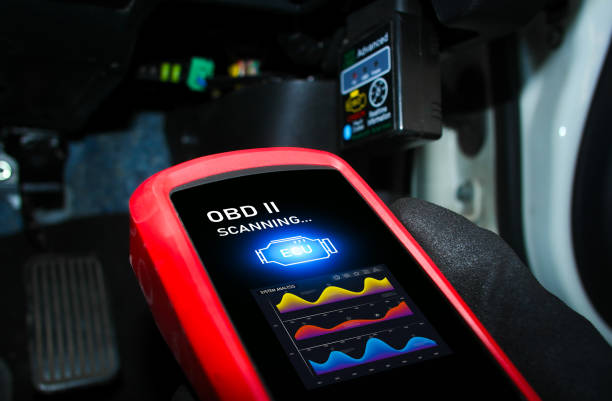
Modern vehicles are filled with sensors and computers. When something goes wrong, your car usually knows before you do. An OBD2 reader allows you to access that information and understand what your vehicle is trying to tell you.
This guide explains what an OBD2 reader is, how it works, how to choose the right one, and how everyday drivers in the United States can use it to save time and money. It is written for normal car owners, not professional mechanics, and focuses on practical use rather than technical jargon.
What Is an OBD2 Reader
An OBD2 reader is a diagnostic tool that plugs into your vehicle’s onboard diagnostics port. It reads trouble codes generated by the car’s computer when a problem is detected.
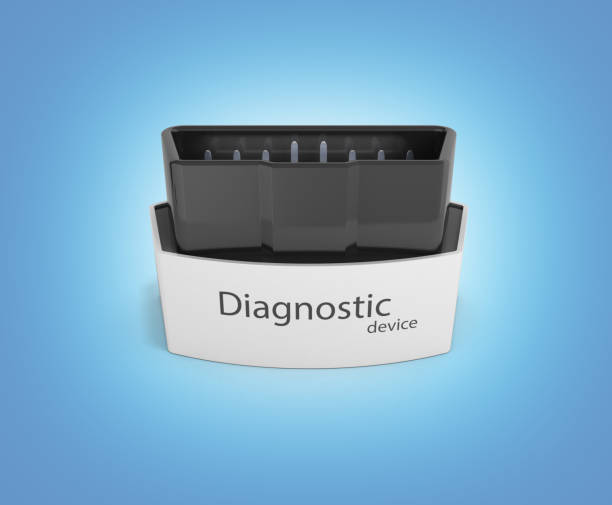
All gasoline vehicles sold in the United States from 1996 onward are required to support the OBD2 standard. This makes OBD2 readers widely compatible across cars, trucks, SUVs, and vans.
Why OBD2 Readers Matter for US Drivers
In the US, driving is essential for work, school, and daily life. When a warning light turns on, many drivers worry about repair costs and safety.
An OBD2 reader helps you:
- Understand why the check engine light is on
- Decide whether a problem is urgent
- Avoid unnecessary repair visits
- Communicate more clearly with mechanics
It does not replace a professional diagnosis, but it gives you information and control.
Where the OBD2 Port Is Located
The OBD2 port is usually located under the dashboard on the driver’s side.
Common locations include:
- Beneath the steering wheel
- Near the hood release
- Under a small plastic cover
The port has a trapezoid shape, making it easy to identify.
Types of OBD2 Readers
Not all OBD2 readers are the same. Understanding the main types helps you choose the best one for your needs.
Basic Code Readers
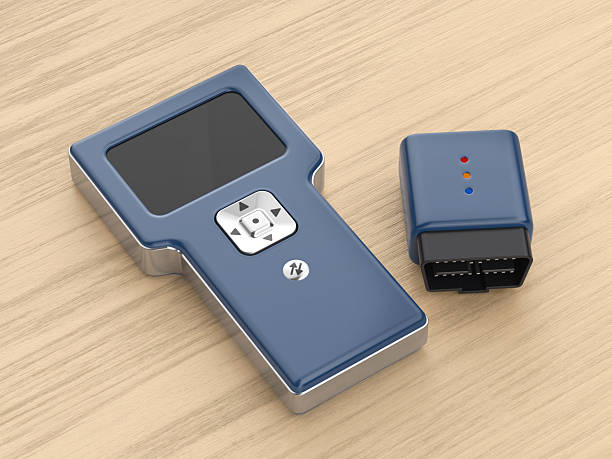
Basic readers display diagnostic trouble codes and allow you to clear them.
They are affordable and easy to use. These are ideal for drivers who want to understand warning lights without extra features.
Bluetooth OBD2 Readers
Bluetooth readers connect to your smartphone using an app.
They offer detailed data, live sensor readings, and maintenance tracking. Many US drivers prefer these due to convenience and portability.
Advanced OBD2 Scanners
Advanced scanners provide access to more vehicle systems, including ABS and transmission data.
They are better suited for advanced DIY users but cost more.
What an OBD2 Reader Can Tell You
An OBD2 reader provides insight into your car’s health.
Diagnostic Trouble Codes
Codes begin with letters such as P, C, B, or U.
Powertrain codes are the most common and relate to engine and transmission issues.
Live Data
Some readers show real-time data such as engine temperature, fuel trim, and oxygen sensor readings.
This helps identify intermittent problems.
Emissions Readiness
OBD2 readers show whether your car is ready for emissions testing.
This is especially useful in states that require inspections.
Common Reasons the Check Engine Light Turns On
The check engine light can be triggered by many issues.
Common causes include:
- Loose or damaged gas cap
- Faulty oxygen sensor
- Worn spark plugs
- Catalytic converter issues
- Mass airflow sensor problems
An OBD2 reader helps narrow down the cause.
How to Use an OBD2 Reader Step by Step
Using an OBD2 reader is straightforward.
Step One: Turn Off the Engine
Plug the reader into the OBD2 port with the engine off.
Step Two: Turn the Ignition On
Some vehicles require the engine to be running. Others only need the ignition on.
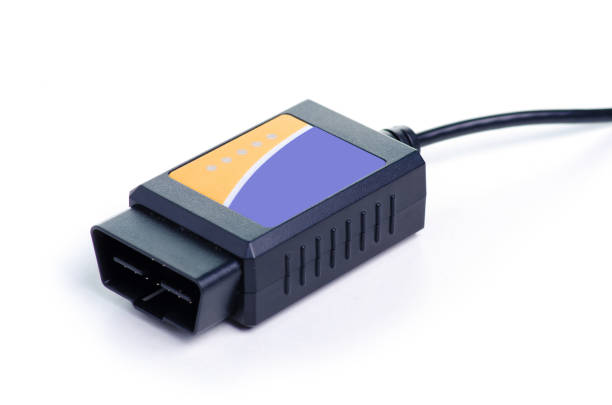
Step Three: Read Codes
Follow the on-screen instructions or app prompts to read codes.
Step Four: Look Up Code Meanings
Most readers provide basic descriptions. Apps often include detailed explanations.
Step Five: Clear Codes if Appropriate
Only clear codes after addressing the issue.
Can an OBD2 Reader Fix a Car
An OBD2 reader does not repair anything by itself.
It provides information. Repairs still require tools, parts, or professional service.
However, understanding the issue helps avoid guesswork.
OBD2 Reader vs Diagnostic Scan at a Shop
Many auto parts stores in the US offer free code scans.
An OBD2 reader offers convenience and privacy. You can scan your car anytime without waiting.
Owning a reader is helpful for recurring issues or multiple vehicles.
Choosing the Best OBD2 Reader
The best depends on how you plan to use it.
Compatibility
Ensure the reader supports your vehicle’s make and model.
Ease of Use
Simple displays and clear apps are best for beginners.
Features
Decide if you need live data, ABS access, or maintenance tracking.
Build Quality
A well-built reader lasts longer and connects more reliably.
Safety and Limitations
OBD2 readers do not detect every problem.
They cannot identify mechanical issues that do not trigger sensors.
Always prioritize safety. If your car drives poorly or makes unusual noises, seek professional help.
Using an OBD2 Reader Before Seeing a Mechanic
Bringing code information to a mechanic can save time.
It helps you ask informed questions and understand recommendations.
It does not mean you should self-diagnose complex problems.
OBD2 Readers for Used Car Buyers
An reader is useful when buying a used vehicle.
It can reveal stored codes and readiness status.
This helps avoid hidden issues.
Frequently Asked Questions
Do all cars support OBD2?
All US vehicles from 1996 onward do.
Can I damage my car using a reader?
Proper use is safe.
Will clearing codes turn off the check engine light?
Yes, but the issue may return if not fixed.
Final Thoughts
An reader is one of the most useful tools a US car owner can have. It provides clarity when warning lights appear and helps drivers make better decisions.
You do not need to be a mechanic to benefit. With basic understanding and responsible use, an reader adds confidence and reduces stress when dealing with vehicle issues.