
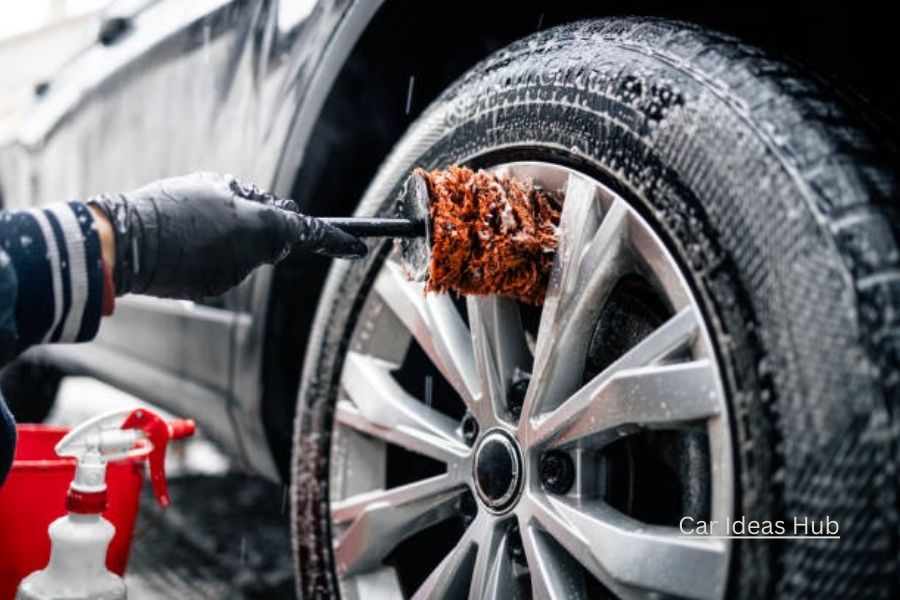
Keeping a car clean is not just about looks. Regular washing protects paint, preserves clear coat, and helps prevent long term damage from dirt, salt, and road grime. Liquid car wash soap is one of the most common products drivers use, yet many people are unsure which type to buy or how to use it correctly.
This guide is written for US drivers who want clear, practical advice. We will explain what liquid car wash soap is, how it differs from other cleaners, what ingredients matter, how to choose the right product, and how to wash your car safely at home. The goal is to help you get good results without harming your vehicle.
What Is Liquid Car Wash Soap
Liquid car wash soap is a cleaning solution designed specifically for automotive paint and exterior surfaces. Unlike household detergents, it is formulated to lift dirt and grease while remaining gentle on clear coat, wax, and sealants.
Most liquid car wash soaps are concentrated. They are mixed with water in a bucket or foam cannon to create suds that help loosen grime and reduce scratching during washing.
Why Using the Right Soap Matters
Using the wrong cleaning product can cause long term damage. Dish soap and household cleaners are made to remove grease aggressively. Over time, they can strip wax, dry out trim, and dull paint.
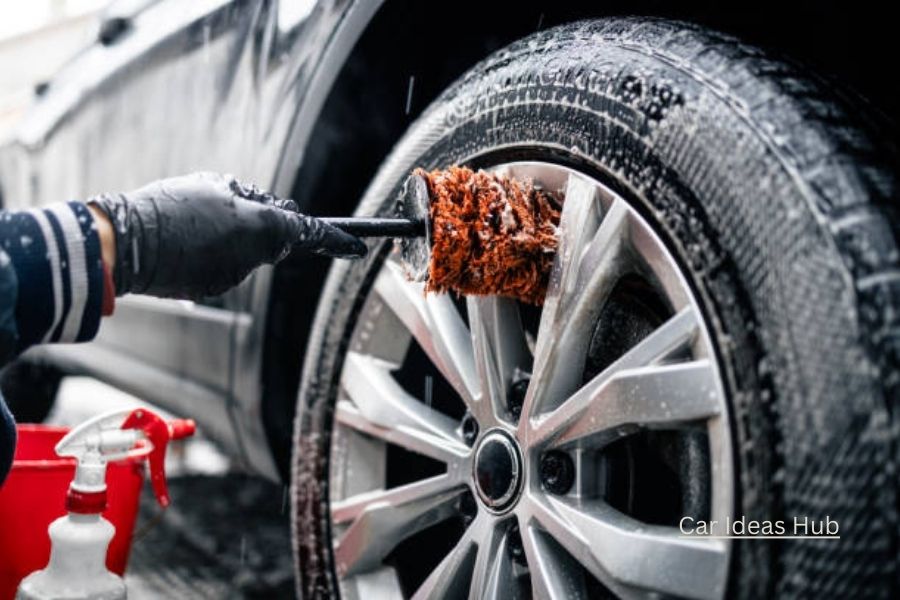
A proper liquid car wash soap balances cleaning power with surface safety. It allows dirt to slide off the paint rather than being dragged across it.
Key Ingredients in Liquid Car Wash Soap
Understanding ingredients helps you choose a soap that fits your needs.
Surfactants
Surfactants are the primary cleaning agents. They break down dirt and oil so they can be rinsed away. Quality soaps use surfactants that are effective but paint safe.
Lubricants
Lubrication is critical during washing. Good soaps create slick suds that reduce friction between the wash mitt and the paint surface.
pH Balance
Most car wash soaps are pH neutral. This helps protect wax, ceramic coatings, and clear coat. Acidic or highly alkaline products are usually reserved for specialized cleaning tasks.
Additives
Some soaps include gloss enhancers, water softeners, or wax boosters. These do not replace proper protection but can improve appearance after washing.
Types of Liquid Car Wash Soap
Not all soaps serve the same purpose. Choosing the right type depends on how you wash your car.
Traditional Bucket Wash Soap
This is the most common type. It is designed for hand washing using the two bucket method. These soaps focus on lubrication and dirt removal.
Foam Cannon Soap
Foam focused soaps are thicker and produce dense foam when used with a pressure washer. The foam clings to the surface and loosens dirt before contact washing.
Wash and Wax Soap
These combine cleaning agents with light wax additives. They offer mild shine but should not replace dedicated wax or sealant products.
Rinseless and Waterless Soaps
Rinseless soaps use minimal water and are popular in areas with water restrictions. They require proper technique to avoid scratching.
How to Choose the Best Liquid Car Wash Soap
Start by considering how often you wash your car and where you do it.
If you wash at home with buckets, a pH neutral, high lubrication soap is ideal. If you use a foam cannon, look for a soap designed to foam well under pressure.
Avoid products that promise extreme results with little effort. Gentle, consistent care produces better long term results.
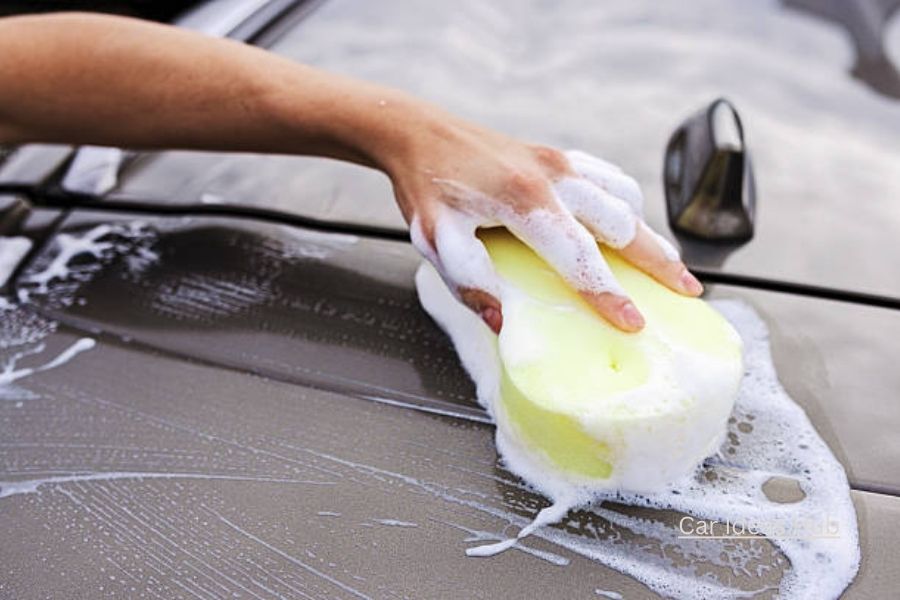
How to Wash Your Car Using Liquid Soap
Using the right soap matters, but technique matters just as much.
Step One: Pre Rinse
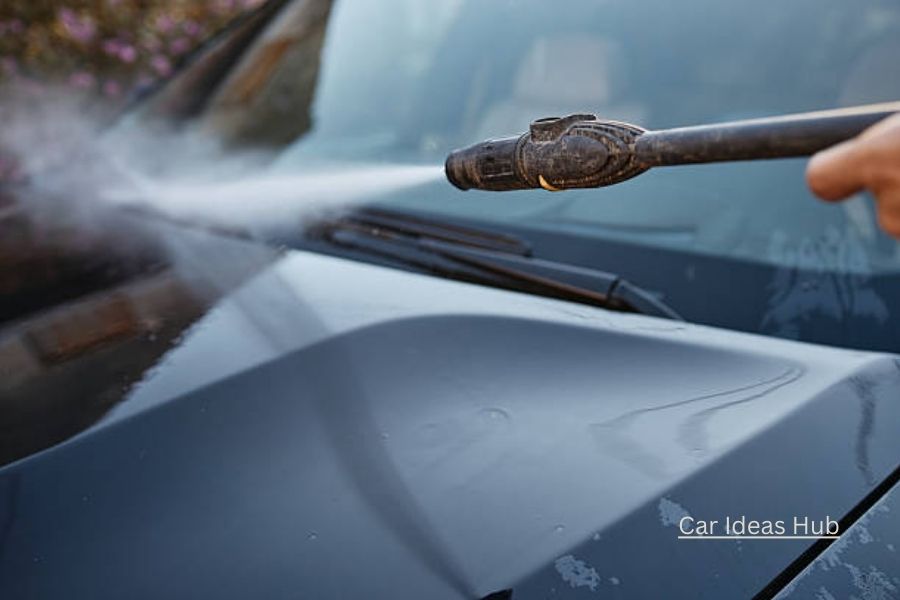
Rinse the car thoroughly to remove loose dirt. This reduces the chance of scratching during contact washing.
Step Two: Prepare the Soap
Mix the liquid soap with water according to the manufacturer’s instructions. Using too much soap does not improve cleaning and can make rinsing harder.
Step Three: Wash From Top to Bottom
Start with the roof and work downward. Lower panels are usually the dirtiest and should be washed last.
Step Four: Rinse Thoroughly
Rinse each section completely to prevent soap from drying on the surface.
Step Five: Dry Properly
Use a clean microfiber towel to dry the car. Air drying can leave water spots.
Common Mistakes to Avoid
Many paint issues come from small mistakes repeated over time.
Avoid washing in direct sunlight. Do not reuse dirty wash mitts. Never use household detergents as a substitute for car wash soap.
Liquid Soap vs Automatic Car Wash Chemicals
Automatic car washes often use stronger chemicals to clean quickly. While convenient, frequent use can reduce wax and dull paint.
Hand washing with liquid car wash soap gives you more control and is generally gentler on your vehicle.
Environmental Considerations
Some liquid car wash soaps are biodegradable and safer for the environment. Washing on grass or gravel can help reduce runoff into storm drains.
Always follow local water use regulations.
How Often Should You Wash Your Car
For most drivers, washing every two to four weeks is sufficient. In winter or coastal areas, more frequent washing helps remove salt and contaminants.
Storing Liquid Car Wash Soap
Store soap in a cool, dry place. Extreme heat or freezing temperatures can affect consistency and performance.
Final Thoughts
Liquid car wash soap is a simple product, but choosing the right one and using it correctly makes a real difference. A quality soap, good tools, and careful technique help keep your car looking good and protect its finish.
Clean cars last longer. With the right approach, regular washing becomes an easy part of responsible vehicle care.