
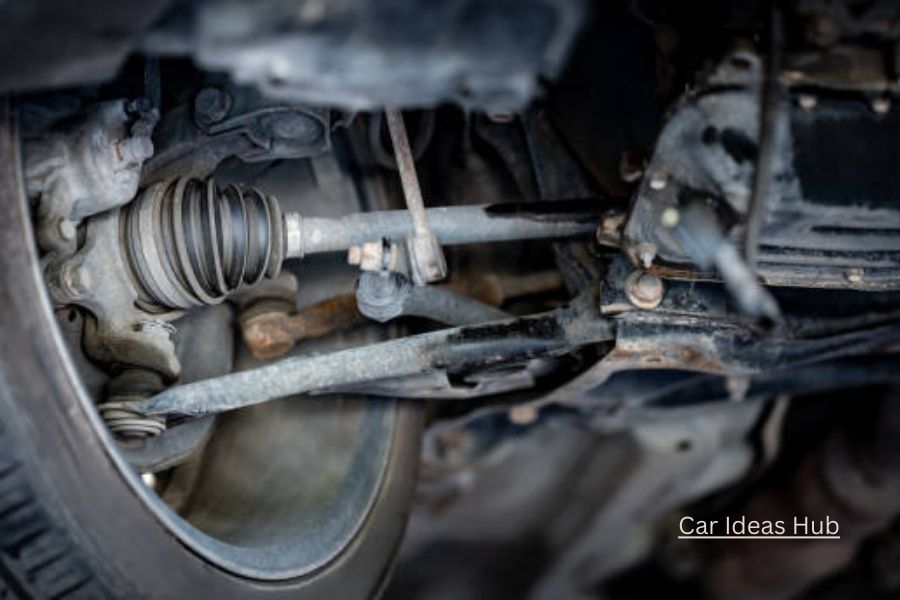
The CV axle is one of those parts most drivers never think about until it starts making noise or causes vibration. Yet it plays a critical role in how your vehicle moves. Without a properly functioning CV, power from the engine cannot reach the wheels smoothly or safely.
This guide explains CV axles in clear, practical terms. It covers what a CV axle does, how it works, common failure symptoms, replacement costs, and how to decide when repair is necessary. The focus is on everyday vehicles driven on US roads, not race cars or specialty builds.
What a CV Axle Is
CV stands for constant velocity. A CV axle is a shaft that transfers power from the transmission or differential to the wheels while allowing for suspension movement and steering angles.
Most front wheel drive vehicles use CV axles on the front wheels. Many all wheel drive and four wheel drive vehicles use them on all four corners.
Each CV axle includes:
- An inner CV joint
- An outer CV joint
- A shaft connecting the joints
- Protective rubber boots filled with grease
The design allows the axle to deliver consistent power even as the wheels turn and move up and down.
How a CV Axle Works
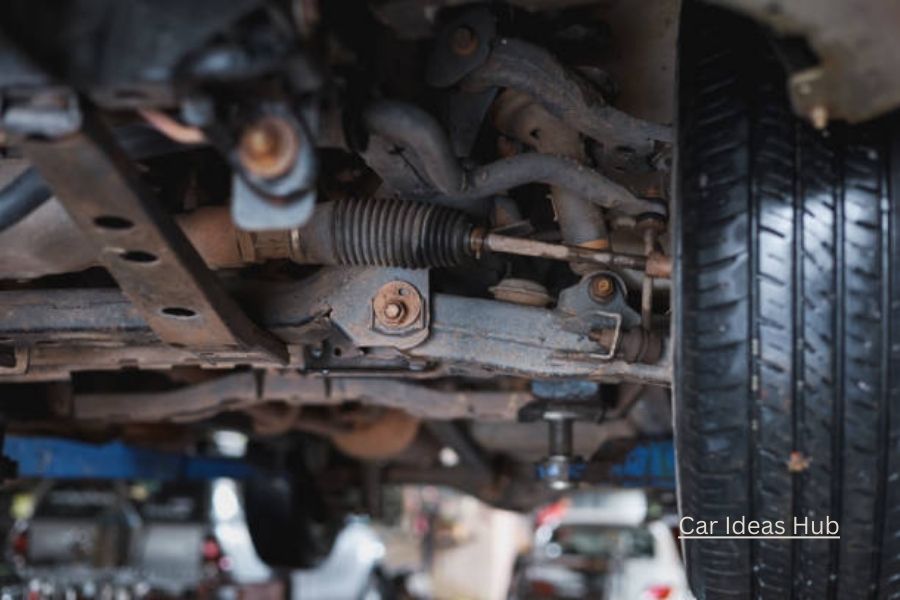
As the engine sends power through the transmission, that force travels through the CV axles to the wheels. The joints at each end flex and rotate at constant speed, preventing power loss or vibration.
The inner joint handles changes in suspension height. The outer joint manages steering angles. Both must stay properly lubricated to function correctly.
Why CV Axles Fail
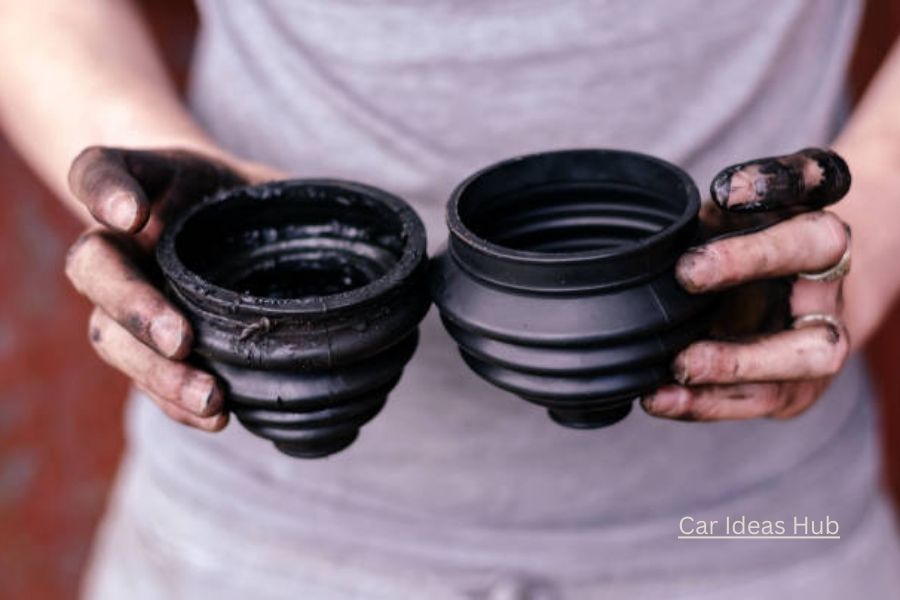
CV axles are durable, but they are not maintenance free. The most common cause of failure is a damaged CV boot.
When a boot cracks or tears:
- Grease leaks out
- Dirt and water enter the joint
- Internal wear accelerates rapidly
Driving with a torn boot almost always leads to full axle replacement.
Other contributing factors include:
- High mileage
- Aggressive driving
- Lifted suspensions
- Worn motor or transmission mounts
Common Signs of a Bad CV Axle
Recognizing early symptoms can prevent further damage.
Clicking or Popping When Turning
A clicking noise during sharp turns is the most common sign of outer CV joint wear. It usually gets louder with acceleration.
Vibration During Acceleration
A worn inner CV joint often causes vibration that increases with speed or load.
Grease Around the Wheel or Suspension
Grease splattered near the wheel well often indicates a torn CV boot.
Clunking Noises
A clunk when shifting from park to drive or during sudden acceleration may point to excessive joint play.
Is It Safe to Drive With a Bad CV Axle
Driving with a failing CV axle is risky. While some symptoms start mild, the joint can fail suddenly.
A complete CV axle failure can cause:
- Loss of drive power
- Inability to accelerate
- Damage to surrounding components
In rare cases, it can lead to loss of vehicle control. Repairs should not be delayed once symptoms appear.
CV Replacement vs CV Boot Repair
In theory, replacing only the CV boot is possible. In practice, full axle replacement is usually recommended.
Reasons include:
- Labor cost is similar
- Internal joint wear is often already present
- Replacement axles come pre assembled and balanced
Boot replacement may make sense only if the tear is caught immediately.
CV Axle Replacement Cost in the United States
Costs vary by vehicle type and location.
Typical price ranges:
- Parts: $80 to $300 per axle
- Labor: $150 to $350 per axle
Total replacement cost often falls between $250 and $650 per axle.
Luxury, performance, or all wheel drive vehicles may cost more.
OEM vs Aftermarket CV Axles
OEM Axles
OEM axles offer excellent fit and long service life but come at a higher price.
Aftermarket CV Axles
Aftermarket options are more affordable and widely available. Quality varies by brand.
Reputable aftermarket axles are suitable for daily driving when installed correctly.
New vs Remanufactured Axles
New axles use all new components. Remanufactured axles reuse certain parts that have been cleaned and reconditioned.
New axles tend to last longer, while remanufactured axles offer cost savings.
Installation Considerations
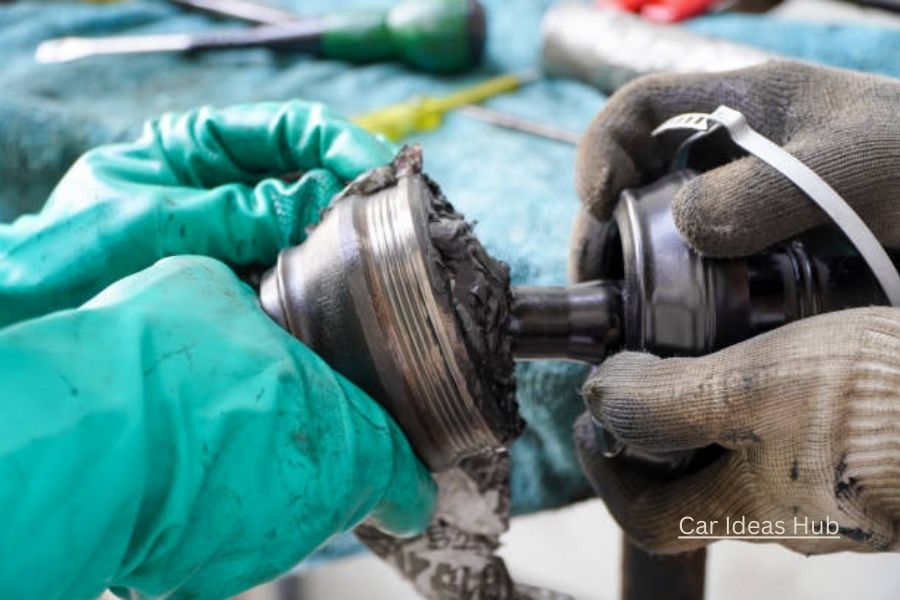
CV replacement requires proper tools and experience.
Important steps include:
- Correct torque on axle nut
- Avoiding damage to axle seals
- Proper suspension reassembly
Improper installation can cause vibration, leaks, or premature failure.
Alignment and Related Repairs
Replacing a CV does not usually require an alignment, but suspension components disturbed during repair may.
It is also wise to inspect:
- Wheel bearings
- Ball joints
- Tie rods
Addressing worn parts together can save labor costs later.
CV Axles and All Wheel Drive Systems
AWD vehicles rely heavily on CV axles. Mismatched axle lengths or poor quality parts can trigger drivetrain issues or warning lights.
Using the correct axle for your specific drivetrain configuration is critical.
Maintenance Tips to Extend CV Axle Life
While CV are sealed, you can reduce wear by:
- Inspecting boots during oil changes
- Avoiding aggressive acceleration while turning
- Repairing suspension issues promptly
Small habits can add years of service life.
Common Myths About CV Axles
CV Axles Fail Suddenly Without Warning
Most failures show warning signs long before complete failure.
Clicking Means Immediate Failure
Clicking indicates wear but does not always mean instant breakdown. It still requires timely repair.
Cheap Axles Are Always Bad
Price alone does not determine quality. Installation quality matters just as much.
Frequently Asked Questions
How long do axles last
Many last over 100,000 miles under normal driving conditions.
Can a bad axle damage the transmission
Yes. Excessive vibration or joint failure can stress transmission components.
Should both axles be replaced at once
Not always, but on high mileage vehicles it can be cost effective.
Can I replace a CV myself
Experienced DIYers can, but it requires proper tools and safety precautions.
Final Thoughts
The CV axle is essential to smooth power delivery and safe driving. While it is built to last, wear is inevitable over time.
Paying attention to early warning signs and addressing issues promptly can prevent breakdowns and costly damage. Whether you choose OEM or aftermarket parts, correct fit and installation are key to reliable performance.
If you notice noise, vibration, or grease around the wheels, have the CV axles inspected. A timely repair keeps your vehicle driving smoothly and safely.