

If your car’s paint looks dull, scratched, or faded, you may have heard the term compound rub. It is one of the most common paint correction methods used by detailers and auto body shops across the United States. When done correctly, rubbing can dramatically improve the appearance of a vehicle. When done incorrectly, it can cause permanent damage.
This guide explains what compound is, how it works, when it should be used, and how US car owners can decide whether to do it themselves or leave it to professionals. The goal is to give you clear, practical information without hype or sales language.
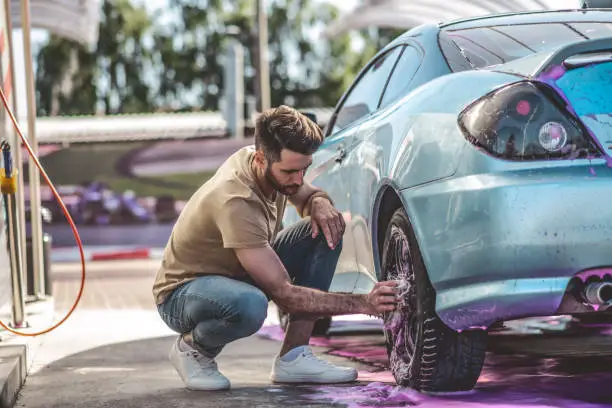
What Is Compound Rub
Compound refers to the process of using an abrasive compound to remove surface defects from automotive paint.
The compound contains fine abrasives suspended in a liquid or paste. When rubbed against the paint, these abrasives remove a thin layer of clear coat. This levels the surface and reduces the appearance of scratches, oxidation, water spots, and swirl marks.
It is important to understand that rub removes material. It does not add anything to the paint.
Why Compound Rubbing Is Used
Over time, car paint is exposed to sun, weather, dirt, and improper washing. These factors cause visible damage.
Compound rubbing is used to:
- Remove oxidation and fading
- Reduce swirl marks and light scratches
- Improve gloss and clarity
- Prepare paint for polishing or waxing
In the US, where cars often spend years exposed to sun and road conditions, rub is a common part of paint restoration.
Compound Rub vs Polish vs Wax
These terms are often confused.
Compound Rub
Compound is the most aggressive option.
It removes defects by cutting into the clear coat.
Polish
Polish is less abrasive.
It refines the surface after compounding and improves shine.
Wax or Sealant
Wax protects the paint.
It does not remove defects.
Understanding this order is critical. Compound comes first, then polish, then protection.
Types of Compound Rub Products
Not all compounds are the same.
Heavy Cut Compound
Heavy cut compounds remove deep scratches and severe oxidation.
They are typically used by professionals.
Medium Cut Compound
Medium compounds balance correction and safety.
They are common for consumer use.
Light Cut Compound
Light compounds remove minor defects.
They are often used as one-step solutions.
When Compound Rub Is Appropriate
Compound should only be used when paint defects are visible.
Signs your car may benefit include:
- Chalky or dull paint
- Visible swirl marks
- Light scratches that catch your fingernail slightly
- Water spot etching
If paint is peeling or severely damaged, compound rubbing will not help.
When Compound Rub Should Be Avoided
Compound rubbing is not always the answer.
Avoid it if:
- The clear coat is already thin
- The paint is peeling
- Scratches go down to bare metal
- You are unsure of paint condition
In these cases, professional evaluation is recommended.

Tools Used for Compound Rubbing
Proper tools make a big difference.
Hand Application
Hand rubbing is safer but less effective.
It works for small areas and light defects.
Dual Action Polisher
A dual action polisher is common among US enthusiasts.
It offers good correction with reduced risk.
Rotary Polisher
Rotary machines cut faster but require experience.
They are mainly used by professionals.
Step by Step Compound Rub Process
Understanding the process helps avoid mistakes.
Step One: Wash and Decontaminate
The car must be thoroughly washed.
Clay bars are often used to remove bonded contaminants.
Step Two: Inspect the Paint
Good lighting reveals defects.
This determines compound choice.
Step Three: Test Spot
Always test in a small area first.
This confirms results and safety.
Step Four: Apply Compound
Use moderate pressure and controlled movements.
Work small sections at a time.
Step Five: Wipe and Inspect
Remove residue with a microfiber towel.
Check results before continuing.
Common Mistakes US Car Owners Make
Many issues come from rushing.
Common mistakes include:
- Using too aggressive compound
- Skipping wash and prep steps
- Overworking one area
- Not following up with polish
Avoiding these mistakes preserves paint.
Compound Rub on Different Paint Types
Not all paint systems react the same.
Clear Coat Paint
Most modern US vehicles use clear coat.
Compound affects only the clear layer.
Single Stage Paint
Older vehicles may have single stage paint.
Compound rub removes color.
Extra caution is needed.
Compound Rub and Car Value
Proper paint correction improves resale value.
Buyers notice gloss and clarity.
However, excessive compounding can reduce long-term value by thinning clear coat.
Moderation matters.
Professional Compound Rubbing at Auto Body Shops
Body shops use compound rub as part of refinishing.
They have paint thickness gauges and controlled environments.
Professional work costs more but reduces risk.
DIY vs Professional Compound Rub
DIY is suitable for light correction.
Professional service is better for deep defects.
US car owners should balance cost, skill, and risk.
How Often Can You Compound Rub a Car
rubbing should be limited.
Most vehicles can only tolerate a few full corrections in their lifetime.
This is why maintenance washing and polishing are important.
Safety Tips for Compound Rubbing
Safety protects both you and the vehicle.
Wear gloves and eye protection.
Work in shade.
Keep pads clean.
Do not rush.
Frequently Asked Questions
Does compound rub remove scratches completely?
It removes surface-level scratches.
Is compound rub safe for all cars?
No. Paint condition matters.
Can I compound rub by hand?
Yes, but results are limited.
Final Thoughts
Compound is a powerful tool for restoring automotive paint when used correctly. It can transform dull, tired paint into a surface that looks cared for and valuable.
For US car owners, understanding what compound does and when to use it is more important than buying aggressive products. Paint correction is about control and patience. When in doubt, starting with the least aggressive approach or consulting a professional is always the safer choice.