
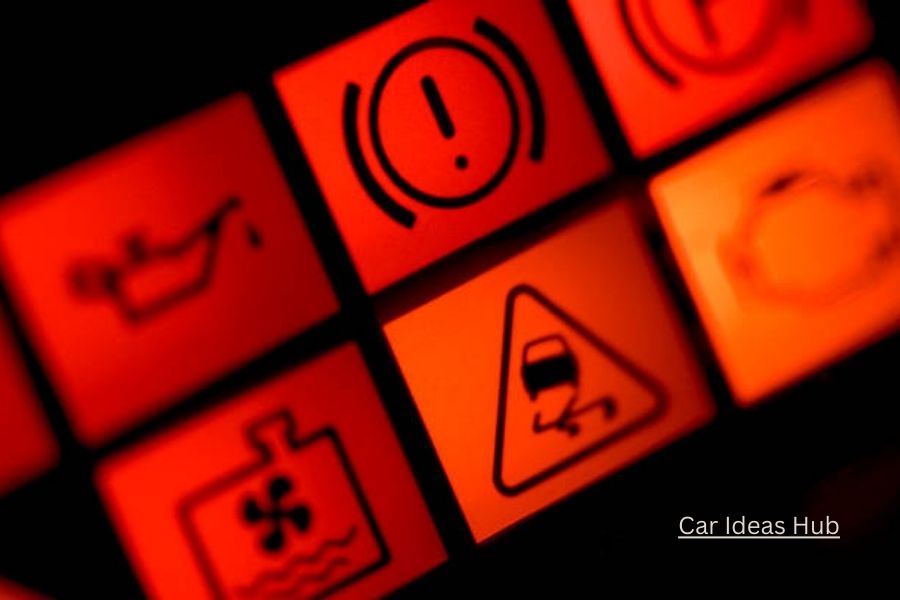
Brake does not get much attention until something goes wrong. Yet it is one of the most important fluids in your car. It transfers the force from your foot on the brake pedal to the brakes at each wheel. Without clean, correct brake fluid, even new brake pads and rotors cannot do their job properly.
This guide explains brake fluid in plain terms. You will learn what brake fluid does, the different types, how to check it, when to change it, and what problems to watch for. The focus is on everyday drivers in the United States who want clear, practical information without hype.
What Brake Fluid Does
Brake works inside a sealed hydraulic system. When you press the brake pedal, fluid moves through the brake lines and applies pressure to the calipers or wheel cylinders. This pressure clamps the brake pads against the rotors or expands brake shoes against drums.
Brake has two critical jobs. First, it must transfer pressure instantly and evenly. Second, it must handle high heat without boiling. If brake boils, it creates air bubbles, and air can be compressed. That leads to a soft or sinking brake pedal and reduced stopping power.
Why Brake Fluid Condition Matters
Brake is hygroscopic, which means it absorbs moisture from the air over time. Even though the system is sealed, moisture still finds its way in through hoses, seals, and the reservoir cap.
As moisture content increases, the boiling point of the fluid drops. This makes brake fade more likely during hard braking, mountain driving, towing, or stop and go traffic. Moisture also promotes corrosion inside brake lines, calipers, and the master cylinder.
Old or contaminated brake can cause:
- Spongy or soft brake pedal
- Longer stopping distances
- Brake fade during heavy use
- Corrosion and premature brake component failure
Types of Brake Explained
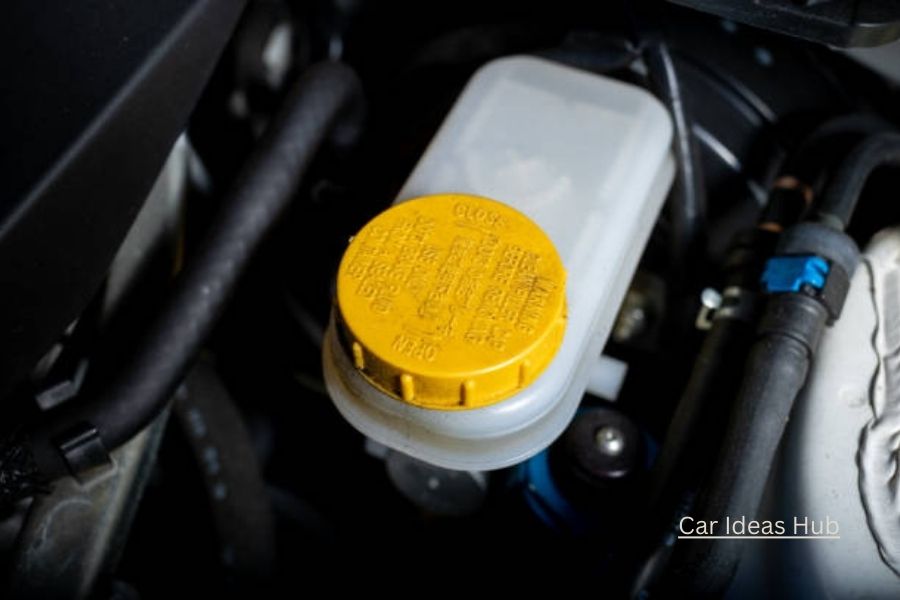
Not all brake are the same. Using the wrong type can damage your braking system. Always check your owner’s manual or the cap on the brake fluid reservoir.
DOT 3 Brake Fluid
DOT 3 is the most common fluid used in many passenger vehicles in the United States. It is glycol based and has a relatively high dry boiling point. However, it absorbs moisture faster than higher rated fluids.
DOT 3 is suitable for daily driving and standard braking systems. It should be changed regularly to maintain performance.
DOT 4 Brake Fluid
DOT 4 is also glycol based but has a higher boiling point than DOT 3. It is often used in vehicles with higher braking demands, including performance cars, some trucks, and vehicles with anti lock braking systems.
DOT 4 absorbs moisture slightly faster than DOT 3 but maintains better performance under heat.
DOT 5 Brake Fluid
DOT 5 is silicone based and does not absorb moisture. It has a very high boiling point, but it is not compatible with systems designed for DOT 3 or DOT 4. DOT 5 can trap moisture in pockets and may cause issues with ABS systems.
DOT 5 is typically used in classic cars or military vehicles that are stored for long periods.
DOT 5.1 Brake Fluid
DOT 5.1 is glycol based, not silicone based, despite the name. It offers high boiling points similar to DOT 5 but is compatible with DOT 3 and DOT 4 systems.
It is often used in high performance or heavy duty applications where consistent braking under heat is important.
Can You Mix Brake Fluid Types
Mixing types can cause serious problems. DOT 3, DOT 4, and DOT 5.1 are chemically compatible, but mixing them reduces performance to the level of the lowest rated fluid.
DOT 5 should never be mixed with any other type. Doing so can cause seal damage and brake failure.
If you are unsure what fluid is in your vehicle, do not guess. Check the reservoir cap or owner’s manual.
How to Check Brake Fluid
Checking brake is simple and should be part of regular vehicle maintenance.
- Park on level ground and turn the engine off.
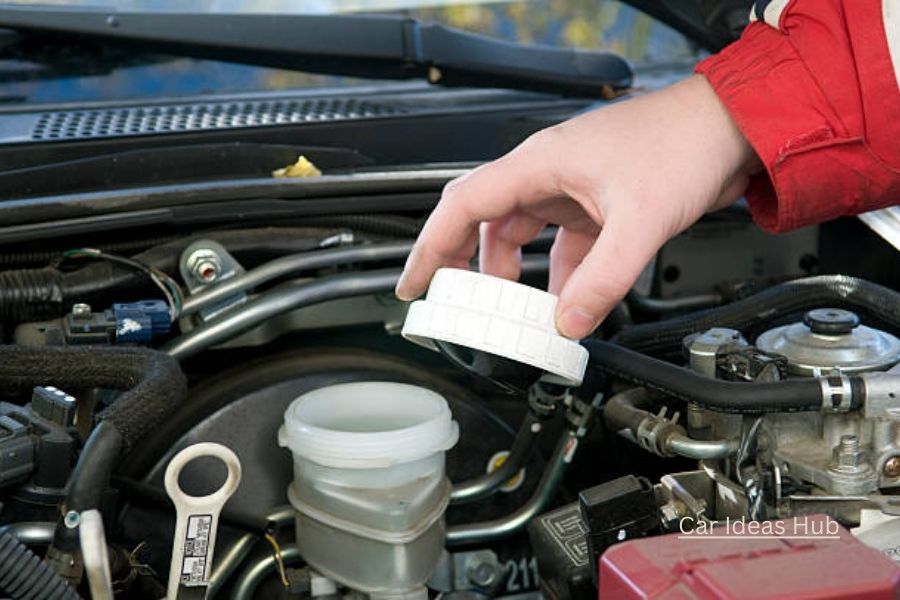
- Locate the brake fluid reservoir under the hood.
- Clean the reservoir cap area to prevent dirt from entering.
- Check the fluid level against the minimum and maximum marks.
- Observe the color of the fluid.
Fresh brake is usually clear or light amber. Dark brown or black fluid indicates contamination and age.
Signs You Need to Change Brake Fluid
Brake does not have a fixed change interval for every vehicle, but there are common warning signs.
You may need a brake fluid change if:
- The brake pedal feels soft or spongy
- The fluid appears dark or cloudy
- The brake warning light comes on
- You experience brake fade under normal driving
Most manufacturers recommend changing brake every two to three years, even if mileage is low.
Brake Fluid Flush vs Brake Fluid Change
A brake change typically involves removing old fluid from the reservoir and refilling it. This replaces only part of the fluid.
A brake flush pushes new fluid through the entire system until clean fluid comes out of each brake caliper or wheel cylinder. This removes moisture and contaminants more effectively.
A full flush is the preferred method and provides better long term results.
Is Brake Fluid Change a DIY Job
Some experienced DIYers change fluid at home, but it requires care. Air must be completely removed from the system, and spills can damage paint.
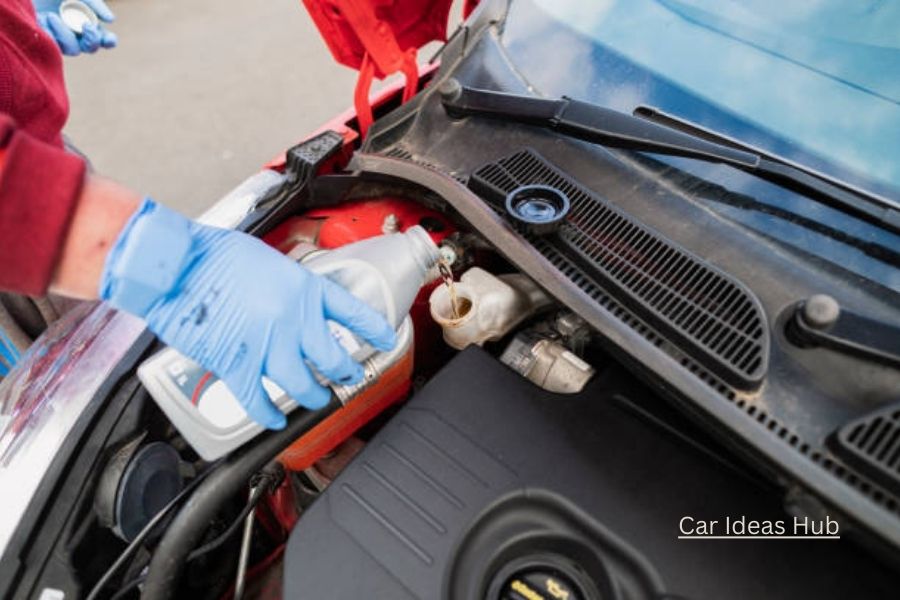
Brake fluid is corrosive to painted surfaces. Any spills should be cleaned immediately with water.
If you are not comfortable bleeding brakes properly, it is safer to have a professional perform the service.
Brake Fluid Cost in the United States
Brake fluid itself is inexpensive. A bottle usually costs between five and fifteen dollars depending on type and brand.
A professional brake flush typically costs between seventy and one hundred fifty dollars. The price varies by vehicle, fluid type, and labor rates.
Considering the importance of braking performance, this service offers strong value for safety.
How Brake Fluid Affects ABS and Stability Systems
Modern vehicles rely on brake for more than just stopping. ABS, traction control, and stability control systems all depend on proper hydraulic pressure.
Contaminated fluid can cause ABS valves to stick or malfunction. This may trigger warning lights or inconsistent braking behavior.
Keeping fluid fresh helps protect these expensive electronic components.
Common Brake Fluid Myths
Brake Fluid Never Needs Changing
This is false. Because brake absorbs moisture, it degrades over time even if the car is rarely driven.
Topping Off Is Enough
Adding fluid does not remove moisture or contaminants. It may hide underlying problems such as worn brake pads or leaks.
Any Brake Fluid Will Work
Using the wrong type can damage seals and reduce braking performance. Always use the specified fluid.
Storing and Handling Brake Fluid
Brake should be stored in a sealed container. Once opened, it begins absorbing moisture from the air.
Do not keep partially used bottles for long periods. Using old fluid defeats the purpose of a brake service.
Always keep brake away from children and pets.
Environmental and Disposal Considerations
Brake fluid is considered hazardous waste. It should not be poured down drains or onto the ground.
Most auto parts stores and repair shops accept used brake fluid for proper disposal.
Brake Fluid and Vehicle Safety Inspections
In many states, brake condition is part of vehicle safety inspections. Low or contaminated brake can contribute to inspection failure.
Maintaining proper fluid condition helps ensure your vehicle remains compliant and safe.
Frequently Asked Questions About Brake Fluid
How often should brake fluid be changed
For most vehicles, every two to three years is a reasonable interval. Check your manufacturer’s recommendation.
Can low brake fluid cause a warning light
Yes. Low fluid levels often trigger the brake warning light. This should be addressed immediately.
Does brake fluid affect brake pedal feel
Yes. Air or moisture in the fluid can cause a soft or spongy pedal.
Is brake fluid the same as power steering fluid
No. They are different fluids with different properties and should never be mixed.
Final Thoughts
Brake plays a quiet but critical role in your vehicle’s safety. It allows your braking system to respond quickly, consistently, and reliably under all driving conditions.
Checking brake regularly and replacing it at proper intervals helps protect your brakes, your vehicle, and everyone on the road. It is a small maintenance task with a big impact on safety.
If you are unsure about the condition of your brake fluid, have it inspected by a trusted professional. Clear, responsive are not optional. They are essential.