

Plastic is everywhere. It is used in cars, kitchens, bathrooms, outdoor furniture, electronics, and children’s items. Over time, plastic surfaces attract dirt, oils, stains, and discoloration that regular soap cannot remove. Choosing the best plastic cleaner helps restore appearance, extend lifespan, and keep surfaces safe to use.
This guide explains what makes a plastic cleaner effective, how to choose the right one for different surfaces, and how to clean plastic properly without causing damage. It is written for USA readers who want practical, honest information before buying or using a cleaner.
Why Plastic Needs Special Cleaning
Plastic is different from metal, glass, or wood. It is softer and more porous at a microscopic level. This allows dirt, grease, and chemicals to cling to the surface.
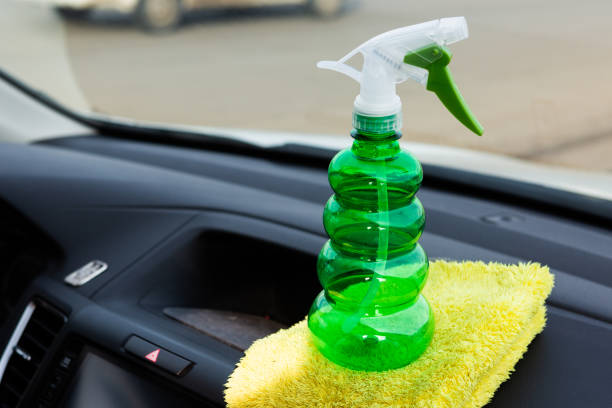
Many plastics also react poorly to harsh chemicals. Strong solvents can cause cloudiness, cracking, fading, or brittleness.
A proper plastic cleaner removes grime while protecting the surface. This is why using the right product matters.
Common Problems Plastic Cleaners Solve
Plastic cleaners are designed to handle specific issues that general cleaners often fail to address.
Yellowing and Discoloration
White and clear plastics often turn yellow due to UV exposure and oxidation. Some cleaners include brightening agents that reduce this effect.
Grease and Oil Buildup
Kitchen plastics and car interiors collect oils from hands, food, and air. Dedicated cleaners break down grease without leaving residue.
Scratches and Dullness
Some plastic cleaners contain mild polishing agents that improve clarity and reduce the appearance of light scratches.
Mold and Mildew
Outdoor and bathroom plastics may develop mold. Proper cleaners remove spores without damaging the material.
Types of Plastic Cleaners
Not all plastic cleaners are the same. Understanding the types helps you choose the best option.
All Purpose Plastic Cleaners
These cleaners are designed for general use on many plastic surfaces. They are suitable for routine cleaning of household items, toys, bins, and storage containers.
They are usually water-based and safe for frequent use.
Automotive Plastic Cleaners
Car interiors contain dashboards, door panels, consoles, and trim made of plastic.
Automotive plastic cleaners remove dust, oils, and UV damage while leaving a natural finish. Many include UV protection to slow fading.
Plastic Polish and Restorers
These products clean and restore appearance at the same time.
They are often used on headlights, clear plastics, and outdoor furniture. They should be used carefully and not on delicate surfaces.
Eco Friendly Plastic Cleaners
Eco friendly options use plant-based ingredients and avoid harsh chemicals.
They are popular in homes with children and pets.

Best Plastic Cleaner for Different Uses
The best plastic cleaner depends on where and how it will be used.
Best Plastic Cleaner for Car Interiors
Interior plastics need gentle cleaning to avoid streaks and shine buildup.
Look for cleaners labeled safe for dashboards and trim. Avoid products with strong solvents or heavy fragrance.
Microfiber towels work best for application.
Best Plastic Cleaner for Headlights
Headlight plastic is exposed to sun and weather.
Cleaners designed for headlights remove oxidation and restore clarity. Some include sealants to protect against future yellowing.
Best Plastic Cleaner for Kitchen Items
Food-safe plastic cleaners are essential for cutting boards, containers, and utensils.
Avoid scented or chemical-heavy products in food areas.
Warm water, proper rinsing, and drying are important.
Best Plastic Cleaner for Outdoor Furniture
Outdoor plastics face dirt, pollen, mold, and sun damage.
Choose a cleaner that removes grime and mildew without weakening the material.
Best Plastic Cleaner for Electronics
Screens, keyboards, and device housings require special care.
Use plastic-safe cleaners that leave no residue and are safe for sensitive surfaces.
Never spray liquid directly onto electronics.
What to Look for in the Best Plastic Cleaner
Choosing a plastic cleaner is not about brand names alone.
Plastic Safe Formula
Always confirm the product is labeled safe for plastic.
Avoid acetone, ammonia, or bleach unless specifically approved.
Residue Free Finish
Good plastic cleaners wipe clean without streaks or sticky film.
UV Protection
For cars and outdoor use, UV protection helps slow fading and cracking.
Ease of Use
Spray and wipe formulas are convenient for regular cleaning.
Odor Level
Strong smells can be unpleasant indoors. Mild or unscented options are often better.
How to Clean Plastic Properly
Even the best plastic cleaner can cause issues if used incorrectly.
Step One: Remove Loose Dirt
Wipe the surface with a dry microfiber cloth to remove dust.
Step Two: Apply Cleaner
Spray the cleaner onto a cloth rather than directly onto the surface when possible.
This prevents overspray and pooling.
Step Three: Gentle Agitation
Use light pressure. Scrubbing too hard can scratch plastic.
Step Four: Wipe Dry
Remove excess product with a clean cloth.
This prevents streaking.
Homemade vs Store Bought Plastic Cleaners
Some people prefer homemade solutions.
Homemade Cleaners
Mild soap and water works for basic cleaning.
Baking soda can remove stains but may scratch if used aggressively.
Vinegar helps with odors but should be diluted.
Store Bought Cleaners
Commercial cleaners are formulated for plastic safety and performance.
They often work faster and more consistently.
Mistakes to Avoid When Cleaning Plastic
Using the wrong method can cause permanent damage.
Avoid abrasive pads.
Avoid harsh chemicals not approved for plastic.
Avoid excessive heat.
Avoid soaking electronics.

How Often Should Plastic Be Cleaned
Frequency depends on use.
Car interiors benefit from monthly cleaning.
Kitchen plastics should be cleaned after use.
Outdoor plastics may need seasonal deep cleaning.
Environmental and Health Considerations
Many US consumers prefer safer products.
Look for non-toxic labels and biodegradable formulas.
Proper ventilation is important when cleaning indoors.
Frequently Asked Questions
Can plastic cleaners damage surfaces?
Yes, if the formula is too harsh.
Is glass cleaner safe for plastic?
Some are not. Always check labels.
Can plastic be restored once faded?
Light fading can often be improved.
Final Thoughts
The best plastic cleaner is one that matches your specific needs and surfaces. Plastic may look durable, but it requires careful cleaning to maintain its appearance and function.
For US homes and vehicles, choosing a plastic-safe, residue-free cleaner and using it correctly makes a noticeable difference. With the right approach, plastic surfaces can stay clean, clear, and functional for years.