
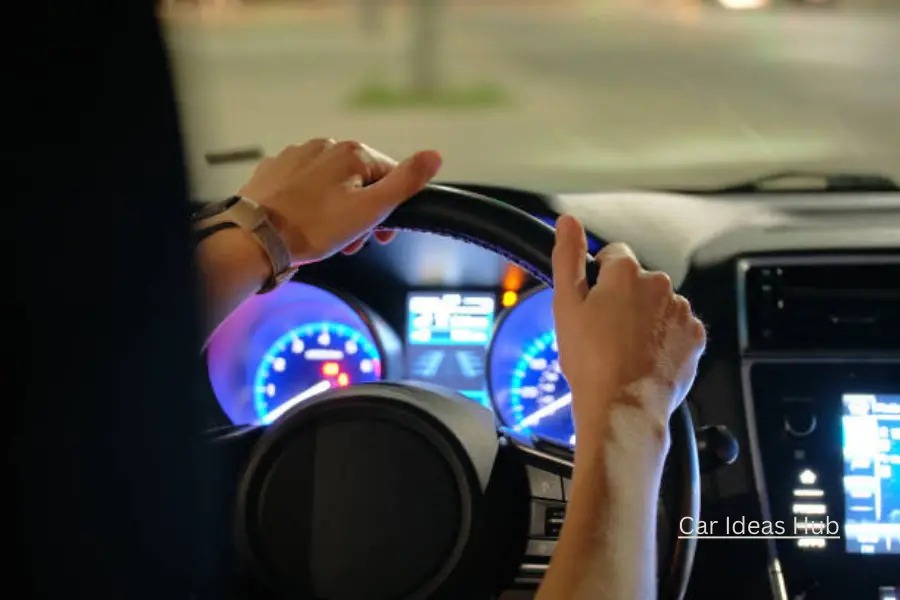
If you start your car and notice the ABS light staying on, it is normal to feel concerned. Many drivers are unsure whether the car is still safe to drive or if it needs immediate repair. The short answer is that in most cases, you can still drive with the ABS light on, but you should understand the risks and address the problem as soon as possible. This guide explains what the ABS light means, common causes, how driving is affected, and what steps you should take next. The goal is to give you clear, Drive With the ABS Light On practical information so you can make smart decisions about your vehicle.
What the ABS System Does
ABS stands for Anti Lock Braking System. Its job is to prevent your wheels from locking up during hard braking. When wheels lock, the car can skid and you may lose steering control. ABS works by monitoring wheel speed sensors and rapidly pulsing brake pressure when it detects a wheel starting to lock.
In normal driving, you do not notice ABS at all. It only activates during emergency or hard braking situations, such as stopping quickly on wet roads, snow, ice, or loose gravel. When ABS is working correctly, you can brake hard while still steering around obstacles.

If the ABS light turns on and stays on, it means the system has detected a fault and has disabled ABS. Your standard brakes usually still work, but the added safety feature is no longer active.Drive With the ABS Light On
What It Means When the ABS Light Is On
When the ABS warning light is illuminated, the vehicle’s computer has found a problem somewhere in the ABS system. This could involve sensors, wiring, the ABS module, or related components. Once a fault is detected, the system shuts itself off to prevent unpredictable behavior.Drive With the ABS Light On
It is important to understand that an ABS light is different from a brake warning light. The brake warning light often indicates low brake fluid, a parking brake issue, or a more serious hydraulic problem. If both lights are on at the same time, that can signal a higher level of risk and should be checked immediately.
Can You Drive With the ABS Light On?
In many cases, yes, you can drive with the ABS light on for a short period. Your regular braking system will still function. However, your car will not have anti lock protection during hard braking. That means the wheels can lock up, especially in slippery conditions.
Driving with the ABS light on may be acceptable if:
- The brake pedal feels normal, Drive With the ABS Light On
- The brake warning light is not on
- You are driving in dry, predictable conditions
- You are heading to a repair shop or planning service soon
Driving with the ABS light on is not recommended if:
- The brake pedal feels soft or spongy
- The brake warning light is also on Drive With the ABS Light On
- You hear grinding or unusual noises
- You drive frequently in rain, snow, or icy conditions
In those cases, the vehicle should be inspected immediately.
How Driving Is Affected Without ABS
When ABS is disabled, your brakes behave like older systems from before ABS was common. This means that during hard braking, especially at higher speeds, the wheels may lock. When wheels lock, steering control is reduced or lost entirely.Drive With the ABS Light On
For experienced drivers, threshold braking can help. This involves applying firm pressure without locking the wheels. However, this technique takes practice and is difficult to perform perfectly in an emergency. Most drivers rely on ABS to handle this automatically.
Without ABS, stopping distances can increase on wet or slippery surfaces. On dry pavement, stopping distance may be similar, but steering control during panic stops is still reduced.Drive With the ABS Light On
Common Reasons the ABS Light Comes On
Understanding the cause of the ABS light can help you determine how urgent the problem is. Some causes are minor, while others require more involved repairs.
Faulty Wheel Speed Sensors
Wheel speed sensors monitor how fast each wheel is turning. They are exposed to dirt, moisture, and road debris, making them one of the most common failure points. A dirty or damaged sensor can send incorrect data, triggering the ABS light.
Damaged Wiring or Connectors
The wiring that connects wheel speed sensors and the ABS module can become damaged over time. Corrosion, broken wires, or loose connectors can interrupt signals and cause a fault.
Low Brake Fluid
In some vehicles, low brake fluid can trigger the ABS light. This may indicate worn brake pads or a small leak in the system. Brake fluid level should always be checked if warning lights appear.Drive With the ABS Light On
ABS Module Failure
The ABS module is the control center of the system. Internal electrical failures can occur, especially in older vehicles. Module replacement or repair can be more expensive than other fixes.
Blown Fuse or Relay
A simple blown fuse or faulty relay can disable the ABS system. This is often one of the easiest and least expensive issues to fix.
Recently Changed Battery or Electrical Work
Low voltage from a weak battery or recent electrical repairs can sometimes trigger an ABS light. In some cases, the light will reset after driving or after clearing codes.
Is It Safe in Emergency Situations?
The biggest concern with driving while the ABS light is on is emergency braking. In a sudden stop, you may not be able to steer around obstacles while braking hard. This increases the risk of a collision, especially in poor road conditions.

If you must drive with the ABS light on, adjust your driving habits:
- Increase following distance
- Brake earlier and more gently
- Avoid sudden stops when possible
- Reduce speed in rain or snow
These adjustments reduce reliance on ABS and lower overall risk.
ABS Light vs Traction Control Light
In many modern vehicles, ABS and traction control systems share components. When the ABS system is disabled, traction control and stability control may also be disabled. This can result in additional warning lights appearing on the dashboard.
Traction control helps prevent wheel spin during acceleration. Stability control helps prevent skidding during turns. Losing these systems further reduces safety, particularly in poor weather.
How to Diagnose the ABS Light
To properly diagnose the ABS light, a scan tool capable of reading ABS codes is required. Basic code readers often only read engine codes, not ABS codes.
Many auto parts stores offer free scans, but not all can read ABS systems. A repair shop or dealership will have the proper equipment.
Once codes are retrieved, they point to a specific circuit or component. This saves time and prevents unnecessary part replacement.
Can the ABS Light Reset Itself?
In some cases, the ABS light may turn off on its own if the issue was temporary. This can happen with low battery voltage or momentary signal loss. However, if the light returns, the underlying problem still exists.
Disconnecting the battery may clear the light temporarily, but this does not fix the issue. The light will usually return once the system detects the fault again.
Repair Costs to Expect
The cost to fix an ABS issue varies widely depending on the cause and vehicle type.Drive With the ABS Light On
- Wheel speed sensor replacement can range from low to moderate cost
- Wiring repairs depend on labor time and location of damage
- Brake fluid service is usually inexpensive
- ABS module repair or replacement can be costly
Getting a proper diagnosis first is the best way to control repair costs.Drive With the ABS Light On
Should You Ignore the ABS Light?
Ignoring the ABS light is not a good long term strategy. While the car may feel normal during everyday driving, the loss of ABS and related systems reduces safety. Over time, what started as a small issue can lead to additional problems or higher repair costs.
Prompt diagnosis and repair help maintain full braking performance and peace of mind.
When to Stop Driving Immediately
Stop driving and have the vehicle towed or inspected right away if:
- The brake warning light is on
- The brake pedal sinks to the floor
- Braking performance suddenly changes
- You hear loud grinding or metal noises
These signs indicate a more serious braking issue beyond ABS.Drive With the ABS Light On

Preventing ABS Problems
While not all ABS issues are preventable, regular maintenance helps reduce risk.
- Keep brake fluid clean and at proper level
- Address brake pad wear promptly
- Inspect wiring and sensors during brake service
- Replace weak batteries before they fail
Preventive care often catches small issues before they trigger warning lights.
Frequently Asked Questions
Can I pass inspection with the ABS light on?
In many states, an illuminated ABS light can cause an inspection failure, especially if it affects safety systems.
Will ABS light affect normal braking?
Normal braking usually still works, but emergency braking performance is reduced.
Is ABS required by law?
ABS is required on newer vehicles, but older vehicles may not have it. If equipped, it should be functional for safety.
Can bad tires cause the ABS light?
Uneven tire sizes or extreme tire wear can sometimes confuse wheel speed sensors and trigger the light.
Final Thoughts
Driving with the ABS light on is not an immediate emergency in many cases, but it should not be ignored. Your vehicle has lost an important safety feature that helps maintain control during hard braking. While you may continue driving carefully for a short time, scheduling a diagnostic check and repair is the responsible choice.
Understanding what the ABS light means allows you to drive more cautiously and avoid unnecessary risk. Addressing the problem restores full braking safety and helps keep you and others on the road protected.